Pakistan fuel price hike sparks outrage as rights body warns rising costs could deepen poverty, fuel inflation and push struggling households into further economic distress, reports Asian Lite Newsdesk
Pakistan is facing mounting economic pressure after a fresh fuel price hike triggered sharp criticism from rights groups, with the Human Rights Council of Pakistan describing the move as “economic suicide” for ordinary citizens.
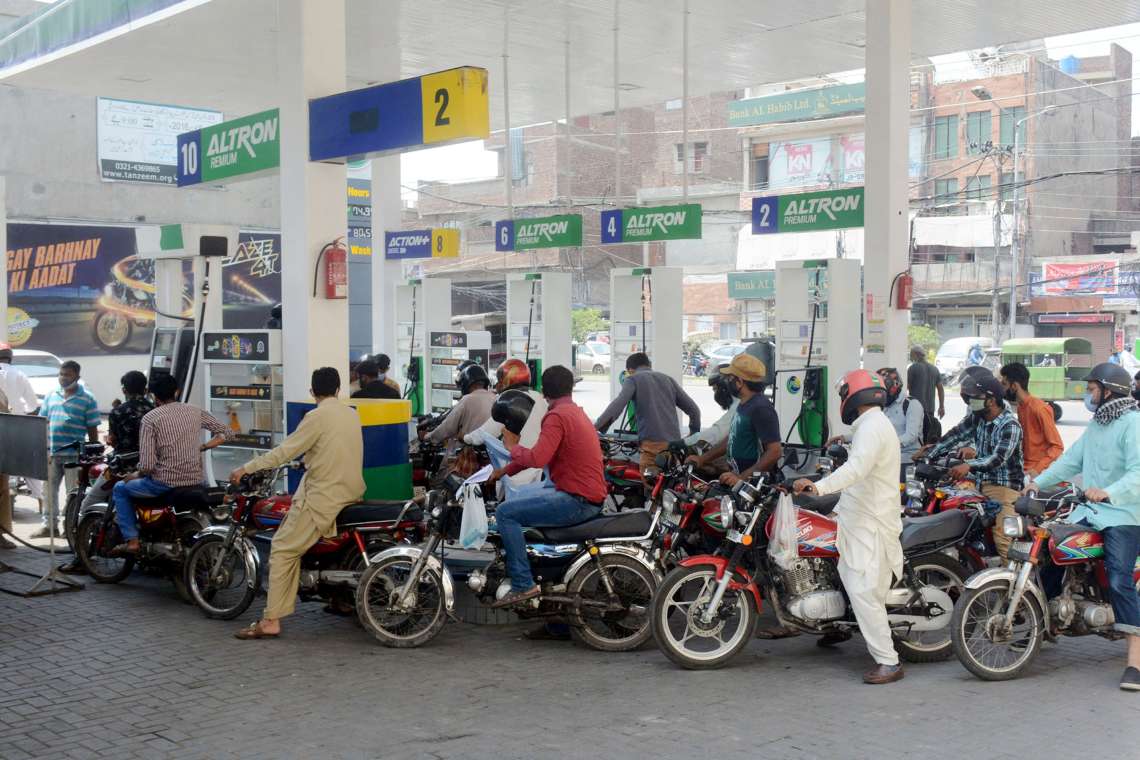
The latest increase, announced by the government and implemented through the Ministry of Energy Pakistan, raises the price of petrol and high-speed diesel by Rs 26.77 per litre. The revision took effect immediately for the coming week, adding to a series of hikes that have already strained household budgets.
Officials defended the decision, citing global market pressures and regional instability. Petroleum Minister Ali Pervaiz Malik said rising international oil prices and commitments with global partners had forced the government to pass on the increased costs to consumers.
However, the move has drawn fierce backlash from civil society groups. The Human Rights Council warned that repeated fuel price hikes are not just routine adjustments but have far-reaching consequences for inflation and living standards. It said the increase would inevitably drive up the cost of transport, medicines and essential goods, pushing vulnerable populations closer to poverty.
In a strongly worded statement, the council argued that the decision risks worsening an already fragile economic situation. It said the cumulative impact of rising fuel costs could deepen inequality and place an unbearable burden on low- and middle-income families.
The organisation stressed that access to a dignified standard of living is a fundamental right, and warned that unchecked inflation threatens that principle. It urged the government to reconsider what it described as an “oppressive decision” and to prioritise policies that provide direct relief to citizens.
The criticism comes against the backdrop of a broader cost-of-living crisis in Pakistan, where inflation has remained persistently high. Earlier this month, fuel prices had already surged significantly, with petrol rising by more than 40 per cent and diesel by over 50 per cent, amplifying economic hardship across sectors.
Economists note that fuel prices play a central role in shaping overall inflation, as they directly affect transportation and production costs. Any sustained increase typically cascades through the economy, raising prices for food, healthcare and other essentials.
The Human Rights Council also called for structural reforms, urging the government to reduce privileges for the elite and adopt more equitable economic policies. It argued that redistributing fiscal burdens could help ease pressure on ordinary citizens and restore some balance to public finances.
Meanwhile, concerns are growing over the social implications of continued price hikes. Rising living costs have already sparked frustration among the public, with many households struggling to cope with declining purchasing power.
Analysts warn that without targeted intervention, the situation could worsen in the coming months, particularly if global energy prices remain volatile. They emphasise the need for a comprehensive approach that balances fiscal constraints with social protection measures.