The state of Pakistan has failed to ensure essential medicines for curable paediatric TB despite the fact that they are not expensive and can be procured easily through global mechanism, writes Dr Sakariya Kareem
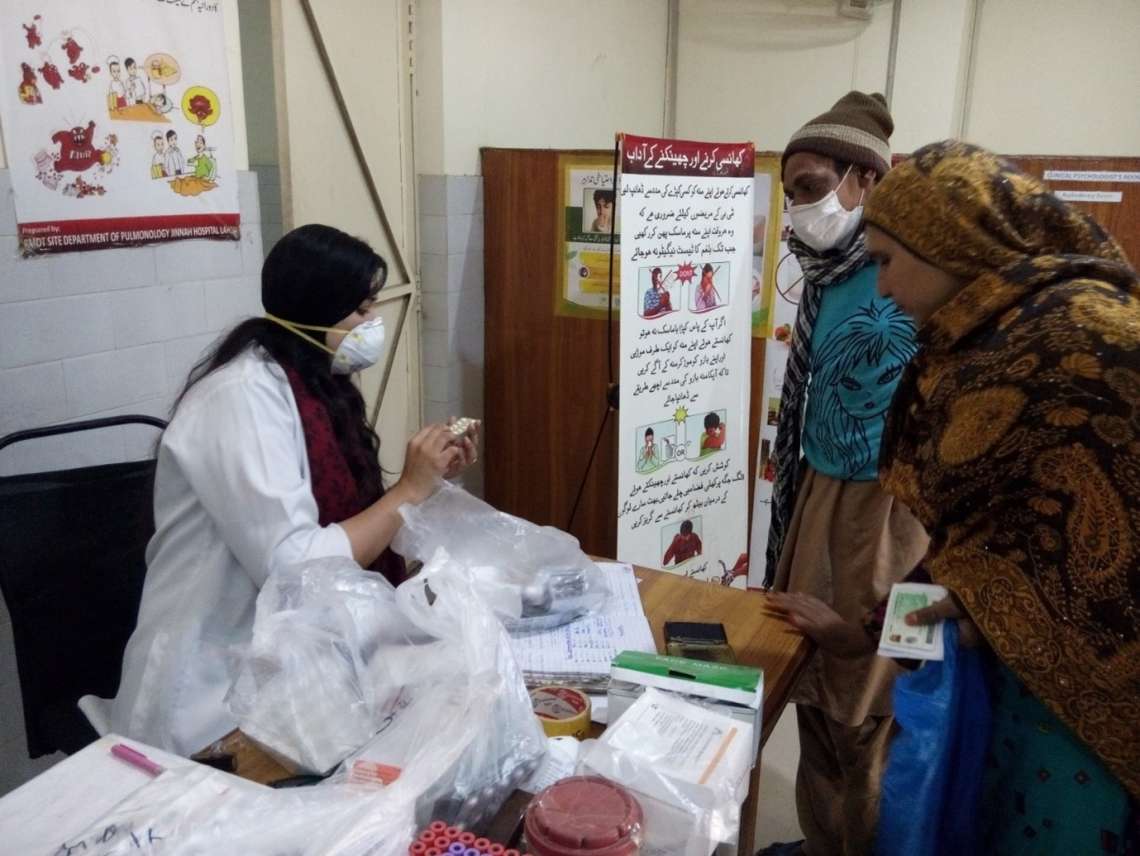
In the crowded wards of public health centres, be it in urban sprawl of Karachi or rural hinterlands of Punjab, innocent children are staring at death from a health crisis, in which they have had no role to play. They are suffering from Tuberculosis, which can be treated easily. However, these unfortunate children are victim of sheer ignorance and human apathy, for which Pakistan’s bureaucracy and polity must be held responsible.
The world knows how to treat TB, and many international organisations have provided medical as well as financial aid to poor countries including Pakistan to fight TB. Notably, over 95 percent of funds required for TB programme in Pakistan comes from foreign donors. In 2025, Pakistan received USD 129 millions from The Global Fund. Yet, 140 people die every day from TB in Pakistan, according to the World Health Organisation (WHO).
The state of Pakistan has failed to ensure essential medicines for curable paediatric TB despite the fact that they are not expensive and can be procured easily through global mechanism. The Islamabad government did not make any efforts even after the Pakistan Medical Association (PMA) raised strong and urgent alarm over the shortage of the medicine. PMA representative Dr Abdul Ghafoor Shoro said “The situation is still critical.”
Every year, Pakistan government celebrates World Tuberculosis (TB) Day, and makes big promises of eliminating it. This year, Pakistani prime minister Shehbaz Sharif said that the comprehensive efforts were being taken for early diagnosis and quality treatment. However, the ground realities remain horrible. His government has failed to even procure enough medicine for the contagious bacterial illness, putting millions of children at risk.
Even those children whose parents can afford better and expensive treatment are not spared as the lack of medicine has put their lives at risk as well. PMA has warned that the TB medicine has almost finished in the country, which may cause a “catastrophic surge” in TB. “Children are uniquely susceptible. Without consistent medication, the risk of disseminated TB — where the infection spreads to the brain or blood — increases exponentially,” PMA warned.
Tuberculosis is one of the most serious public health threats in Pakistan, which could kill more than 262,000 people in next 25 years, Pakistan government’s findings revealed. Yet, the bureaucratic delays and mismanagement in implementation of TB elimination programme continues unabated. The Global Fund has highlighted the lax attitude, poor strategic direction, weak domestic financing and ineffective governance. All this has led to delayed tenders, weak contract management, and inefficient procurement, thus disrupting the adequate and timely delivery of medicines.
Martin Luther King Jr had once said that ‘Of all the forms of inequality, injustice in health care is the most shocking and inhumane’. Pakistan is a stark embodiment of that truth for failing to treat TB despite possessing the funds, mechanism and tools required to do so. The inconsistent TB drug supply chain, exacerbated by the weak health infrastructure, not just make the treatment incomplete but endanger lives of millions of poor people, especially, guileless children also.
Pakistan is fifth highest TB-burden country in the world as it houses about 6.3 percent of total global cases. Despite shouldering the significant TB burden, Pakistan has shown no interest in researching on the disease or manufacturing the drug. The low priority given to the health sector and limited operational research capacity, further weakened by growing reliance on external aids, have made Pakistani pharmaceutical industry too weak to become self-sufficient in drug production.
The policy and regulatory mismanagements have aggravated the problems of TB patients during the ongoing US-Iran war. The disruptions in the global supply chain have affected supplies of donor-supported TB drugs and other required raw materials. Instead of immediately focusing on emergency imports of TB drug, Pakistan government went into denial and downplayed shortage.
Now, the shortage of TB drug may allow bacteria to survive, mutate and spread, especially, among children. The gap in medication increases the risk of fatalities significantly, turning the drug supply disruptions into a severe TB treatment crisis now. Harvard Medical School professor Carole Mitnick’s statement become appropriate to the context as she said “Since we know how to search for, treat, and prevent TB, the failure to do so is particularly outrageous.”
The persistence of TB medicine shortages in Pakistan is not one-time failure or a case of sheer bureaucratic lapse, but a reflection of deeper institutional weaknesses. Without seriousness in conducting TB elimination programme conduct, through effective governance, real-time monitoring and contribution through scientific output, Pakistan continues to risk perpetuating a cycle of preventable illness and death.