Taiwan slams China for denying its presidency after blocked Africa trip, raising tensions and highlighting Beijing’s growing pressure on Taipei’s shrinking diplomatic space, reports Asian Lite News Desk
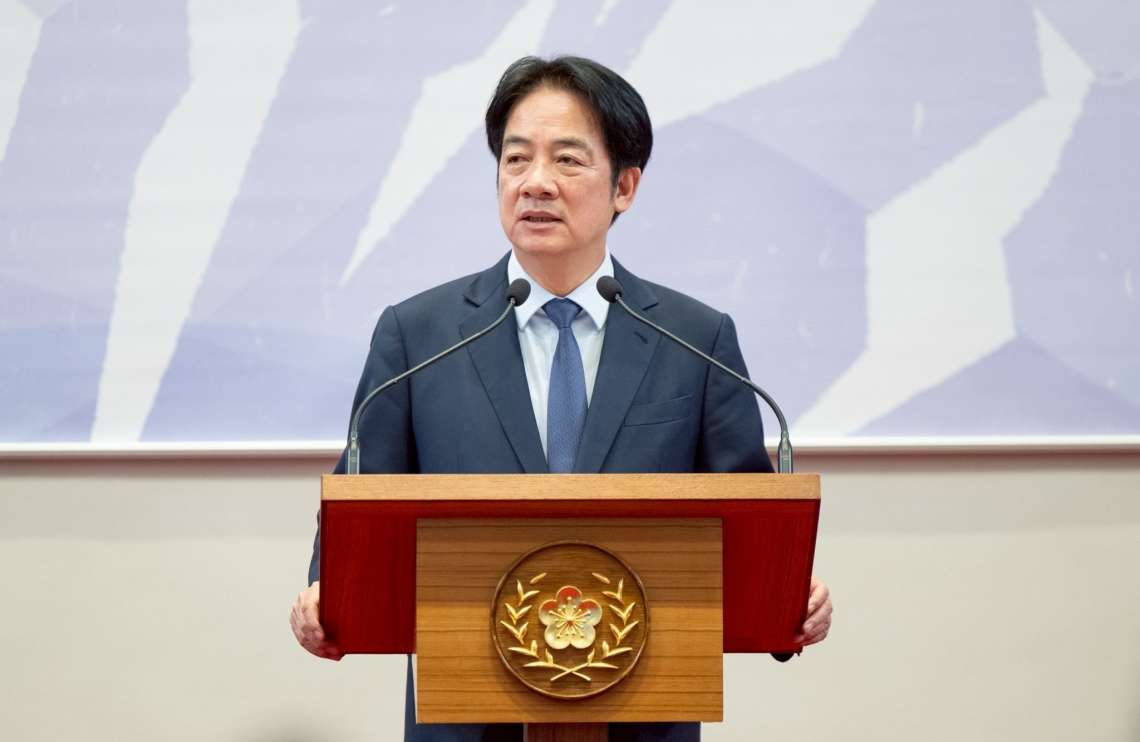
Tensions between Taipei and Beijing have escalated after Taiwan condemned Chinese officials for denying the legitimacy of its presidency, in a dispute triggered by the abrupt cancellation of a planned overseas visit by William Lai.
Taiwan’s Mainland Affairs Council issued a strong rebuke after officials in Beijing reiterated claims that the presidency of the Republic of China “no longer exists”. The remarks, delivered by China’s Taiwan Affairs Office and foreign ministry, have drawn sharp criticism from Taipei, which views them as an attempt to undermine its sovereignty and political identity.
The diplomatic row comes days after Lai was forced to cancel a planned trip to Eswatini, Taiwan’s only remaining diplomatic ally in Africa. According to officials in Taipei, the visit was derailed when Seychelles, Mauritius and Madagascar withdrew overflight permissions for his aircraft at short notice.
Presidential Office Secretary-General Pan Men-an attributed the disruption to what he described as sustained pressure from Beijing, including alleged economic coercion directed at the three African states. The incident has heightened concerns in Taiwan over China’s growing influence in shaping diplomatic outcomes beyond its immediate region.
At a press briefing in Taipei, MAC Deputy Minister Liang Wen-chieh criticised Beijing’s stance, arguing that dismissing the existence of Taiwan’s leadership is part of a broader strategy to erase its international presence. He said such statements go beyond political rhetoric and reflect an attempt to delegitimise Taiwan on the global stage.
The controversy centres on China’s long-standing “One China” policy, under which Beijing considers Taiwan a breakaway province rather than a sovereign state. Chinese officials reiterated this position, asserting that there is only one China and rejecting any recognition of Taiwan’s political institutions, including the presidency.
Taiwan has firmly rejected these claims, maintaining that it operates as a self-governing democracy with an independently elected leadership. Officials in Taipei argue that Beijing’s narrative ignores political realities and undermines the will of the Taiwanese people.
The latest developments underscore the fragile nature of cross-strait relations, which have remained tense amid competing claims of sovereignty and increasing geopolitical competition. Taiwan’s diplomatic space has narrowed in recent years, with several countries switching recognition to Beijing under pressure or incentives.
Analysts say the cancellation of Lai’s trip highlights the challenges Taiwan faces in maintaining international engagement, particularly with smaller nations that may be vulnerable to economic or political pressure. The episode also reflects the broader contest for influence between China and Taiwan in the diplomatic arena.
While Beijing continues to assert its claims, Taiwan has sought to strengthen ties with like-minded partners and highlight its democratic credentials on the global stage. However, incidents such as the blocked visit to Africa illustrate the constraints it faces.