Trump cancels US delegation visit to Pakistan, derailing fresh Iran talks and casting doubt over diplomatic efforts to ease tensions and broker peace in West Asia, reports Asian Lite News Desk
A fresh attempt at diplomacy between Washington and Tehran has faltered after Donald Trump abruptly cancelled a planned visit by a senior US delegation to Islamabad, dealing a blow to hopes of reviving peace talks in West Asia.
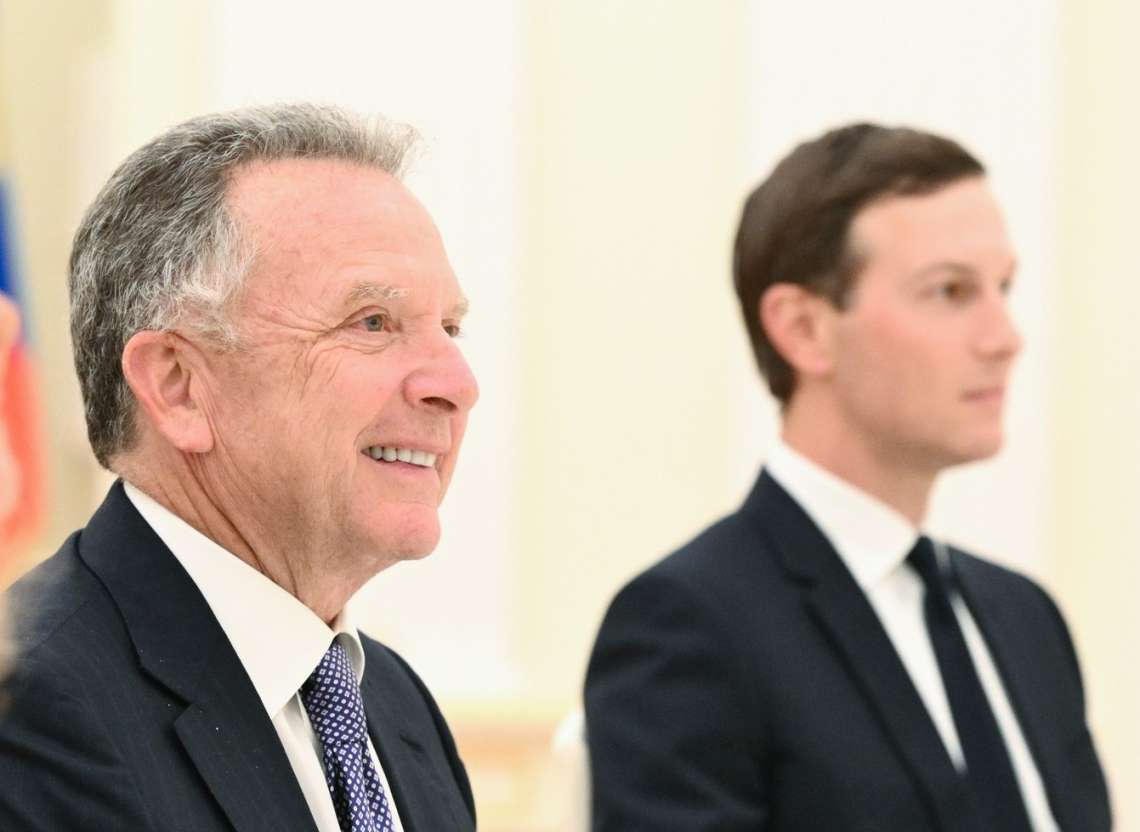
The proposed visit, led by Special Envoy Steve Witkoff and senior adviser Jared Kushner, was expected to form part of a second round of discussions with Iran aimed at easing tensions and exploring a broader resolution to ongoing hostilities. However, the White House pulled the plug at the last minute, citing concerns over the utility of the trip.
According to remarks attributed to Trump during a phone conversation reported by Fox News, the president dismissed the need for long-distance engagement, suggesting that the United States holds a stronger negotiating position. He indicated that Washington would not commit to lengthy travel for talks he described as potentially unproductive, instead signalling that Tehran should initiate direct contact if it seeks progress.
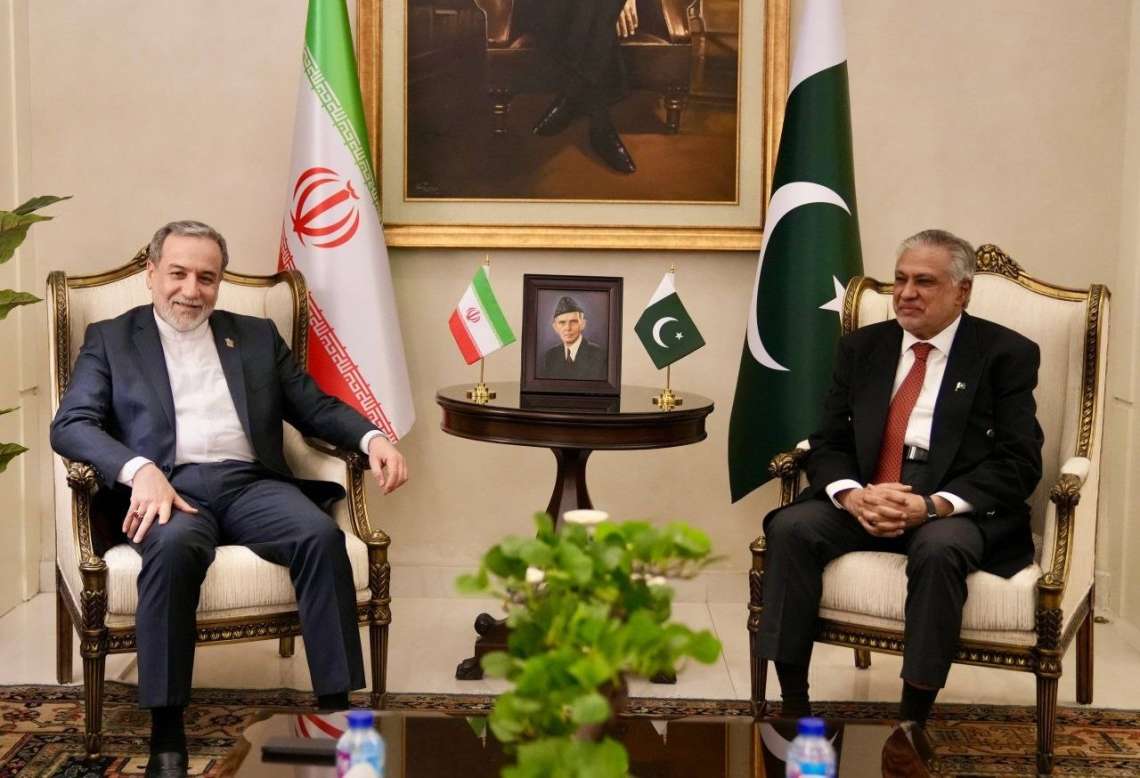
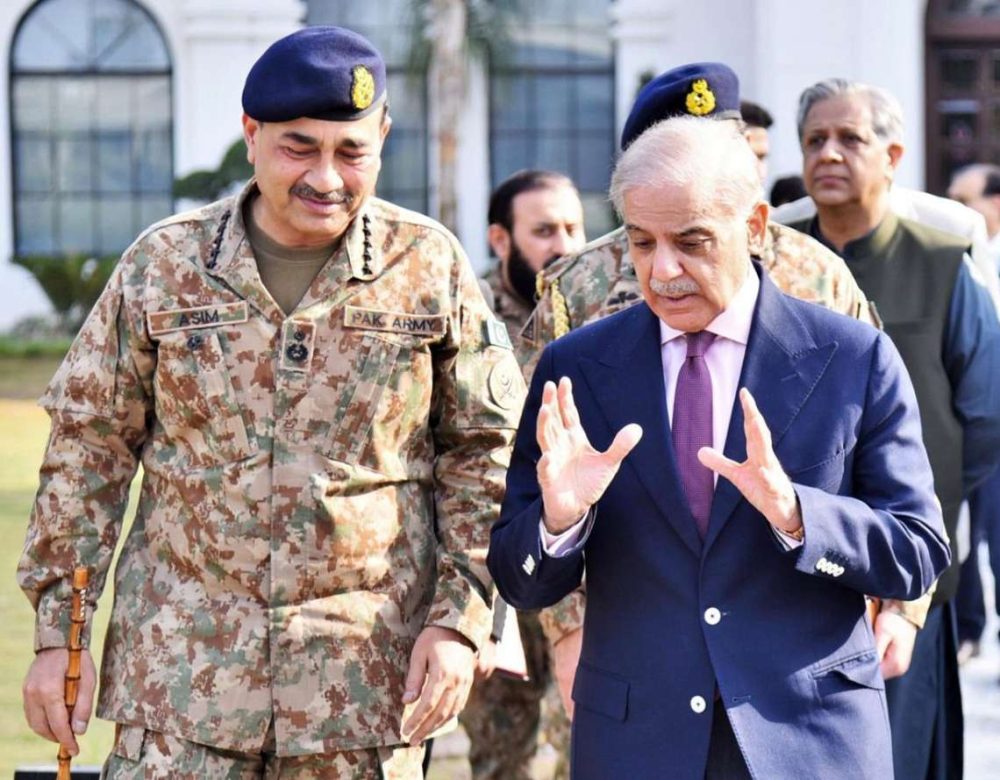
The decision came shortly after Abbas Araghchi concluded his visit to Islamabad and departed the country following a series of high-level meetings with Pakistani leadership.
During his stop, the Iranian delegation reportedly presented a set of demands and outlined its reservations regarding US positions, particularly in relation to the ceasefire and broader regional dynamics. In a statement shared via official channels, Araghchi said he had conveyed Iran’s “principled positions” on ending what he described as an imposed conflict involving US and Israeli forces.
Despite these developments, the abrupt cancellation of the US delegation’s visit appears to have derailed Islamabad’s efforts to host a second round of direct engagement. The setback underscores the persistent challenges facing diplomatic efforts between the two sides, which continue to grapple with deep mistrust and conflicting strategic priorities.
Pakistan’s role as a potential intermediary had been gaining attention in recent days, with officials in Islamabad positioning themselves as facilitators of dialogue. However, the collapse of the planned talks has cast doubt on the viability of that initiative, at least in the near term.
The latest episode follows an earlier round of discussions that reportedly failed to produce tangible outcomes. Those talks, which included senior representatives from both sides, extended for several hours but ended without any breakthrough, reinforcing scepticism about the prospects for quick progress.
Araghchi is now expected to continue his regional tour with visits to Muscat and Moscow, as Tehran consults with key partners on both bilateral relations and the evolving geopolitical landscape.