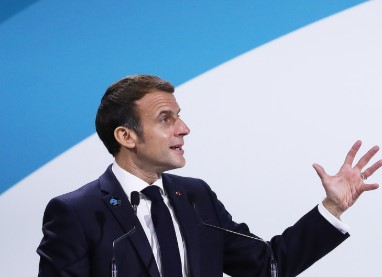
French President Emmanuel Macron said efforts were under way to reopen the Strait of Hormuz, warning that uncertainty itself could trigger shortages, a day after TotalEnergies’ chief cautioned about global energy scarcity if the war involving Iran continues for months, reports London Daily News Desk
Speaking at a news conference in Athens alongside Greek Prime Minister Kyriakos Mitsotakis, Macron said restoring normal passage through the strait was a priority in the coming days and weeks. He said the aim was a full reopening in accordance with international law, guaranteeing freedom of navigation through the Strait of Hormuz without tolls, after which conditions could gradually stabilise.
The comments came as concern mounted across energy markets and shipping industries over the disruption to a route that typically carries about a fifth of the world’s oil and gas supply. The strait is also a key corridor for goods, including fertilisers and pharmaceuticals, amplifying the potential knock-on effects of any prolonged restrictions.
Earlier, TotalEnergies chief executive Patrick Pouyanné warned that extended disruption would have severe consequences. Speaking at the World Policy Conference in Chantilly, outside Paris, he said that if the situation persisted for several more months, the world could face a period of energy scarcity, noting that Asian countries had already felt the strain. He added that it would not be possible for 20 per cent of global oil and gas supplies to remain stranded and inaccessible without major consequences.
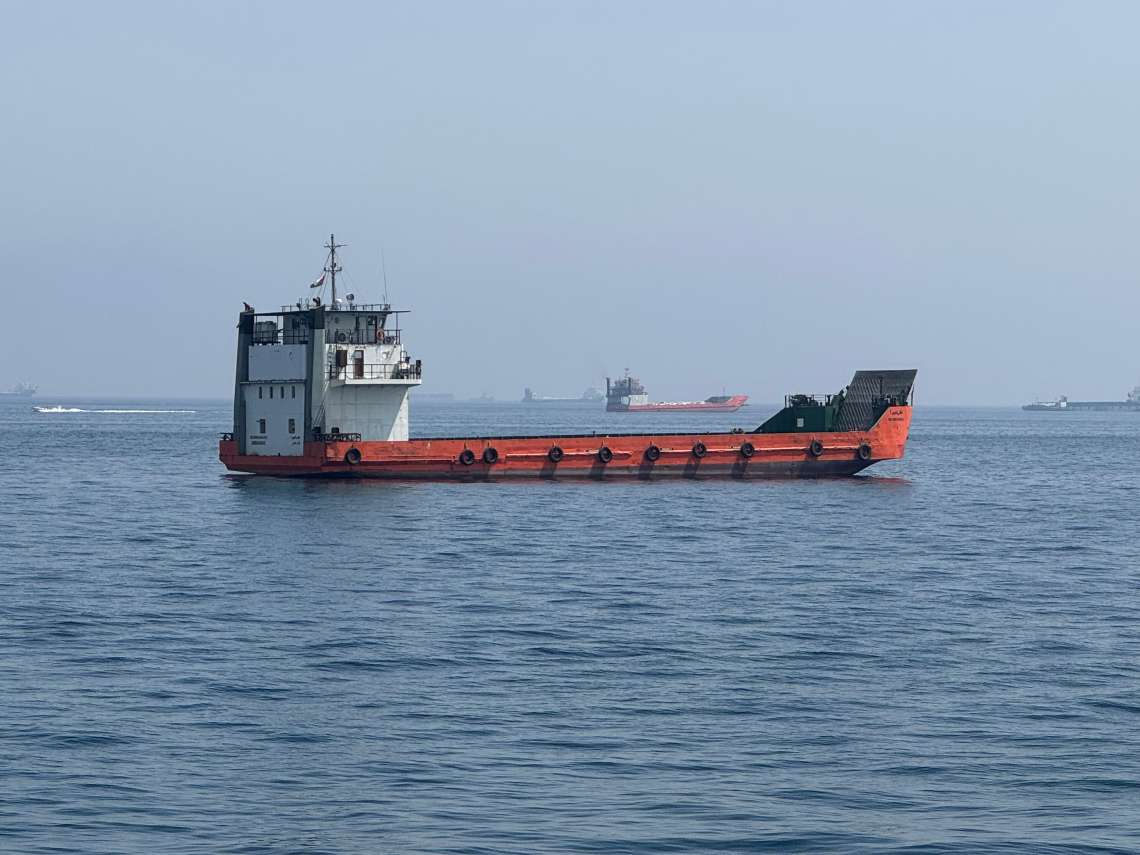
Movement through the Strait has been severely constrained by the conflict involving the United States, Israel and Iran. Iran has seized container ships, while the United States has imposed a blockade on Iranian ports, creating a bottleneck in one of the world’s most critical maritime passages.
Macron said that beyond the physical disruption, market psychology posed an additional risk. Panic linked to geopolitical uncertainty, he said, could in itself lead to shortages by prompting stockpiling and market volatility, even before supply constraints fully materialise.
In response to the growing crisis, more than a dozen countries have indicated their willingness to participate in a proposed international mission led by France and Britain to protect shipping in the strait when conditions allow. The initiative is intended to safeguard commercial vessels and ensure the continued flow of energy and goods through the region.
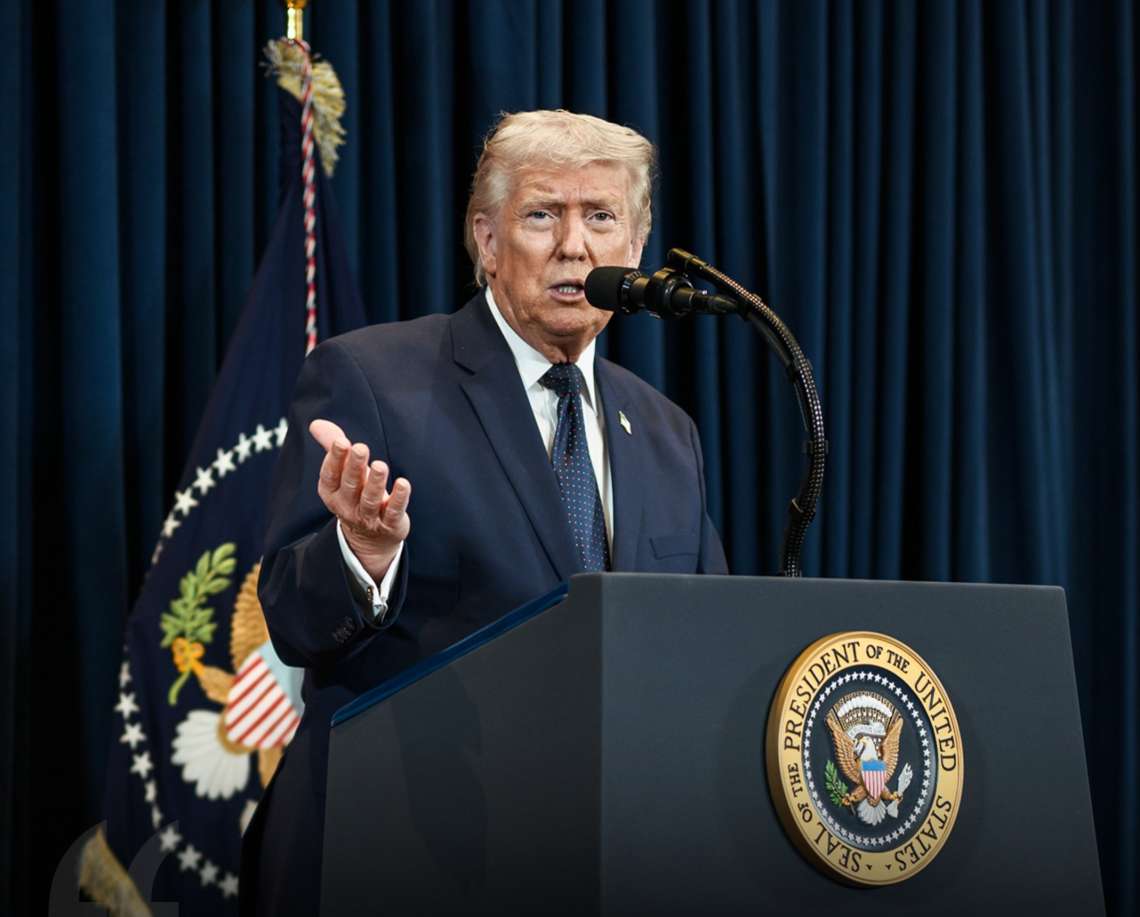
However, the proposal comes amid differing signals from Washington. US President Donald Trump has said he does not require assistance from allies, raising questions about coordination among Western powers and the eventual structure of any maritime security effort.
Macron acknowledged the shared impact of the crisis, describing countries as being affected by forces beyond their control. He said nations were all facing the consequences of a conflict that had been underway for several months, adding that the situation underscored the extent to which regional tensions could shape global stability.
As diplomatic and military discussions continue, attention remains focused on whether safe passage through the Strait of Hormuz can be restored quickly enough to prevent wider economic fallout. Energy markets, already sensitive to supply shocks, are likely to remain volatile until there is greater clarity on the duration and trajectory of the conflict.