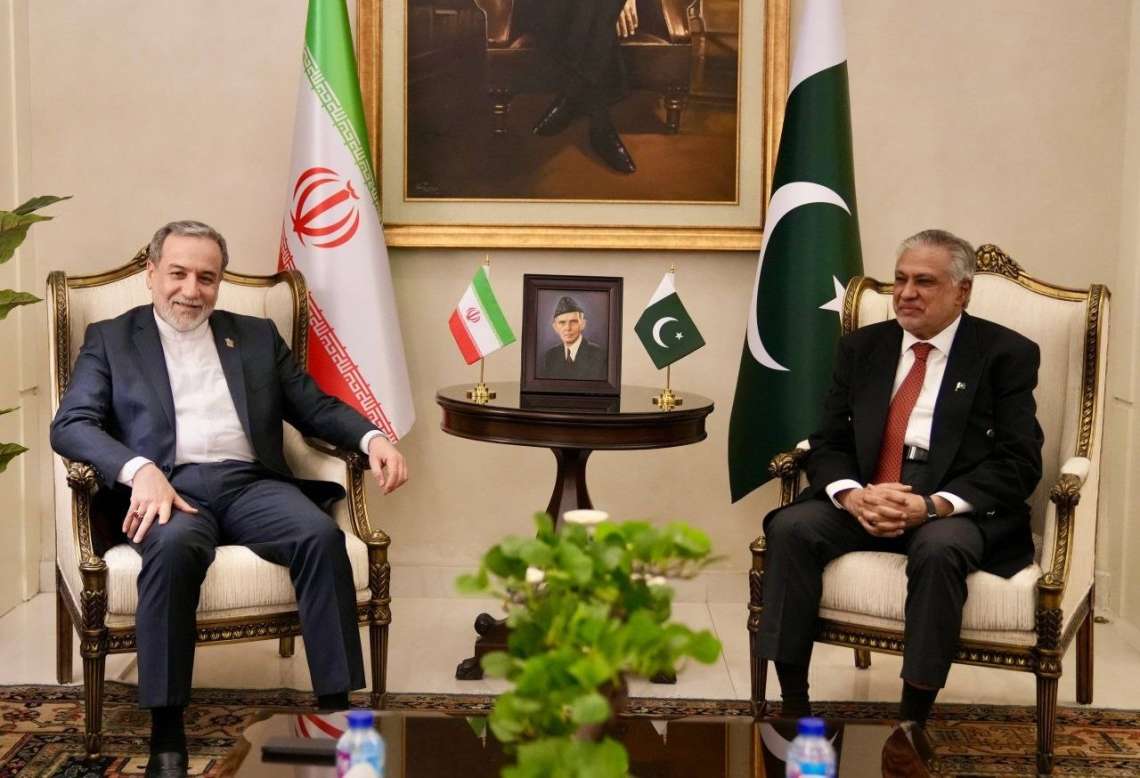
Iran’s foreign minister visits Pakistan as US dispatches envoys, raising cautious hopes for renewed talks between Washington and Tehran amid shifting regional dynamics, reports Asian Lite News Desk
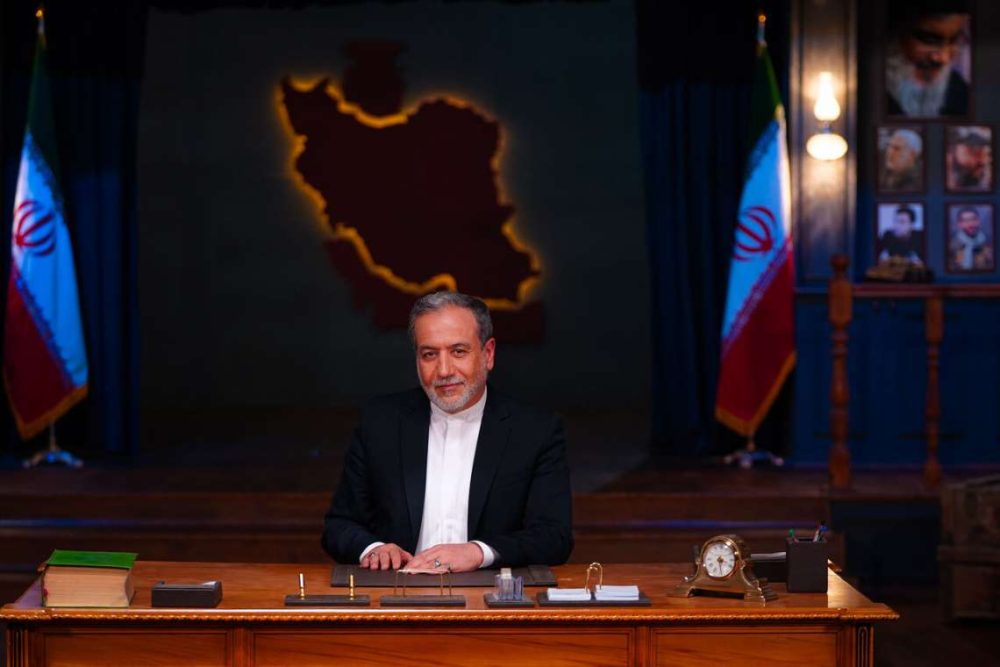
Iran’s Foreign Minister Abbas Araghchi arrived in Islamabad, signalling a potential opening for renewed engagement between Tehran and Washington amid shifting regional dynamics.
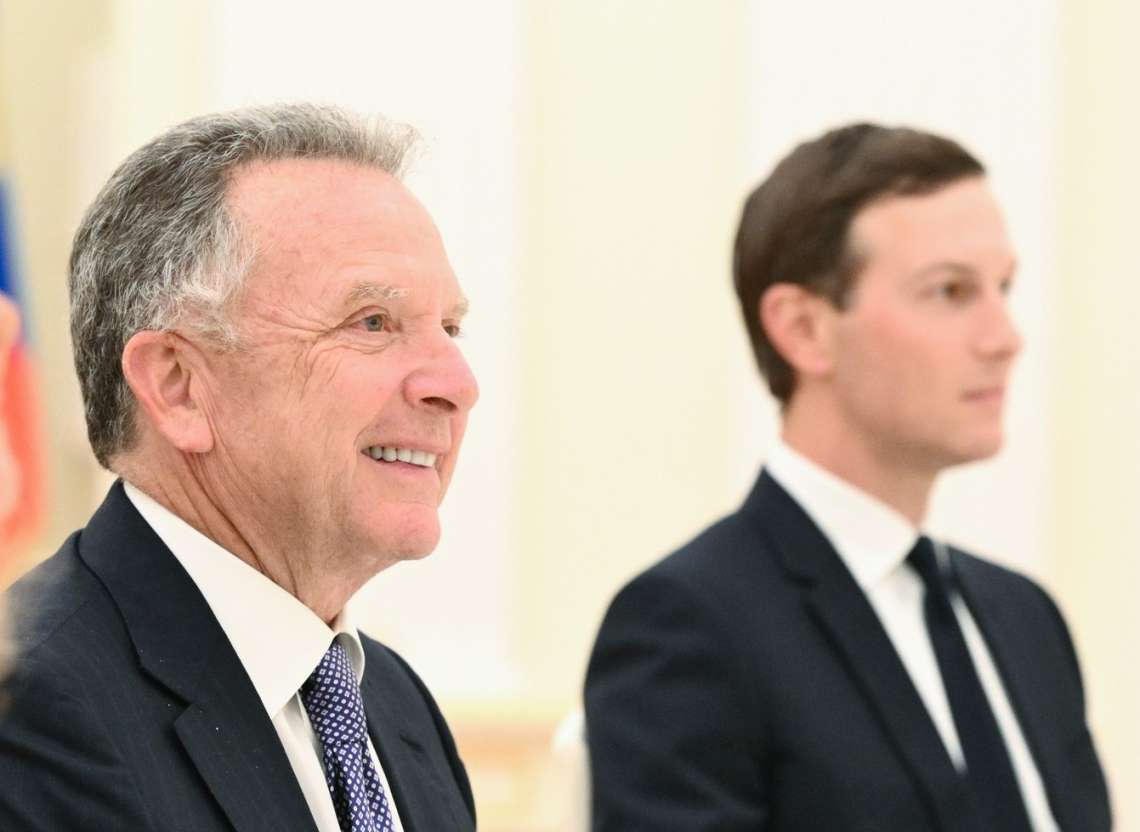
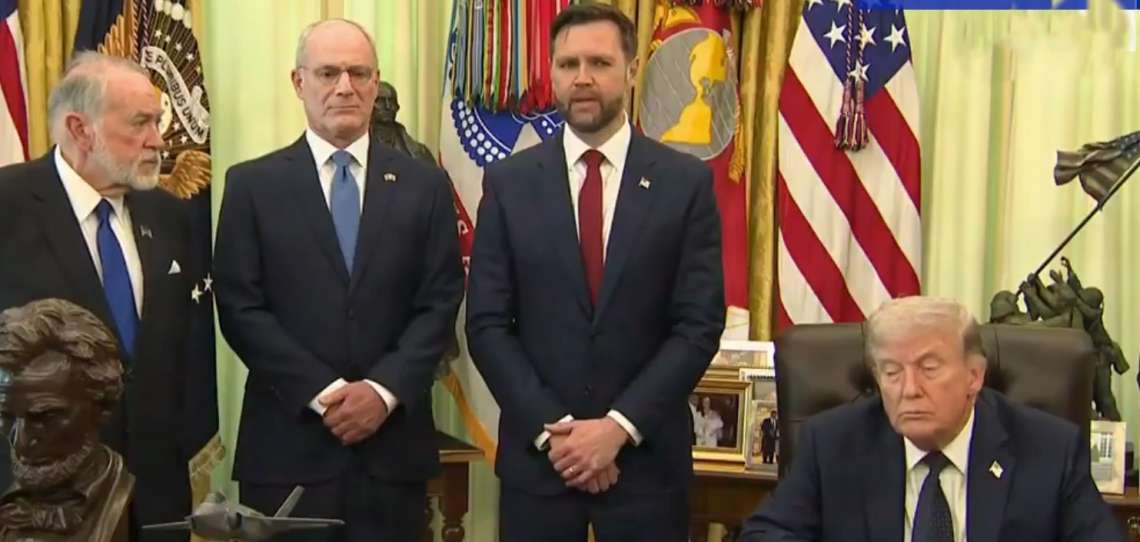
Araghchi’s visit to Pakistan comes at a sensitive moment, with the White House confirming that Donald Trump has authorised the dispatch of senior envoys to facilitate discussions linked to Iran. Special Envoy Steve Witkoff and senior adviser Jared Kushner are expected to travel to Islamabad to engage in talks, marking what could be the first substantive diplomatic contact in recent months.
Officials in Washington indicated that the outreach follows signals from Tehran expressing willingness for face-to-face dialogue. White House Press Secretary Karoline Leavitt said the Iranian side “wants to talk in person”, adding that the US delegation would “hear the Iranians out” in hopes of achieving positive progress. She also noted that the US Vice President remains on standby should the situation require a higher-level intervention.
Meanwhile, Iran’s Foreign Ministry stated that no talks are scheduled with the United States in Islamabad during the ongoing visit of Araghchi.
Iran’s Foreign Ministry spokesperson Esmail Baghaei said that a delegation led by Foreign Minister Abbas Araghchi has arrived in Islamabad for talks with Pakistani leaders, amid efforts to promote regional peace.
He also clarified that no direct meeting is planned between Iran and the United States during the visit.
In a post on X, Baghaei wrote, “We arrive in Islamabad, Pakistan, for an official visit. FM Araghchi will be meeting with Pakistani high-level officials in concert with their ongoing mediation & good offices for ending American imposed war of aggression and the restitution of peace in our region.”
“No meeting is planned to take place between Iran and the U.S. Iran’s observations would be conveyed to Pakistan,” the post read.
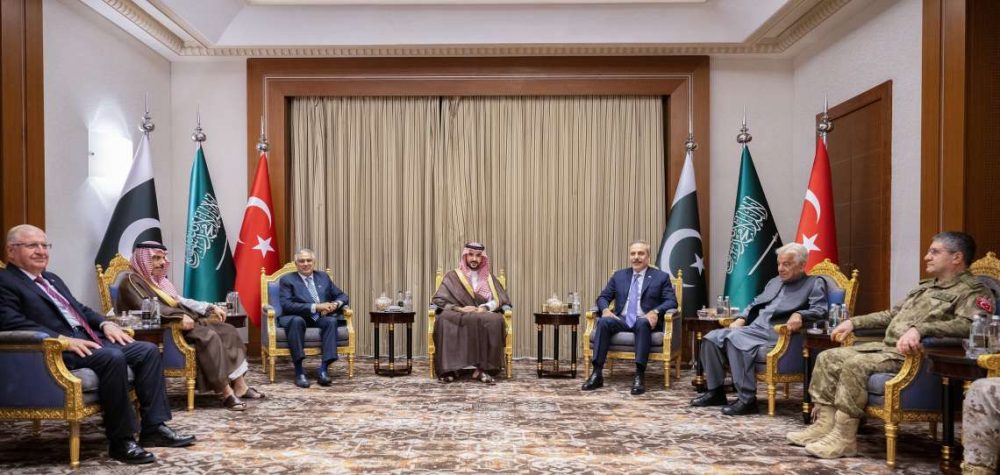
During his stay in Pakistan, Araghchi is scheduled to meet Shehbaz Sharif and Army Chief Asim Munir, underlining Islamabad’s role as a potential intermediary in the evolving diplomatic effort. Iranian Foreign Ministry spokesperson Esmaeil Baghaei is accompanying him on the visit.
The trip forms part of a broader regional tour that will also take Araghchi to Muscat and Moscow, highlighting Tehran’s strategy of coordinating closely with key partners on both bilateral relations and wider geopolitical developments. In a statement, the Iranian minister said the visits aim to strengthen ties with neighbouring countries while consulting on pressing regional issues.
While the prospect of US-Iran talks has generated cautious optimism, uncertainty remains over whether formal negotiations will materialise. Reports suggest that Tehran has yet to officially confirm participation in the proposed discussions with the US delegation.
The diplomatic activity unfolds against a backdrop of heightened tensions and a persistent trust deficit between Washington and Tehran. Despite intermittent signals of de-escalation, both sides have remained wary, with previous attempts at dialogue often stalling over disagreements on sanctions, security concerns and regional influence.
Analysts note that Pakistan’s involvement could prove significant, given its strategic relationships with both the United States and regional actors. Islamabad has, in the past, played quiet roles in facilitating backchannel communications, and its inclusion in the current effort may provide a platform for initial confidence-building measures.