In confronting the Taliban, Pakistan is ultimately facing the long shadow of its own strategic decisions….reports Asian Lite News
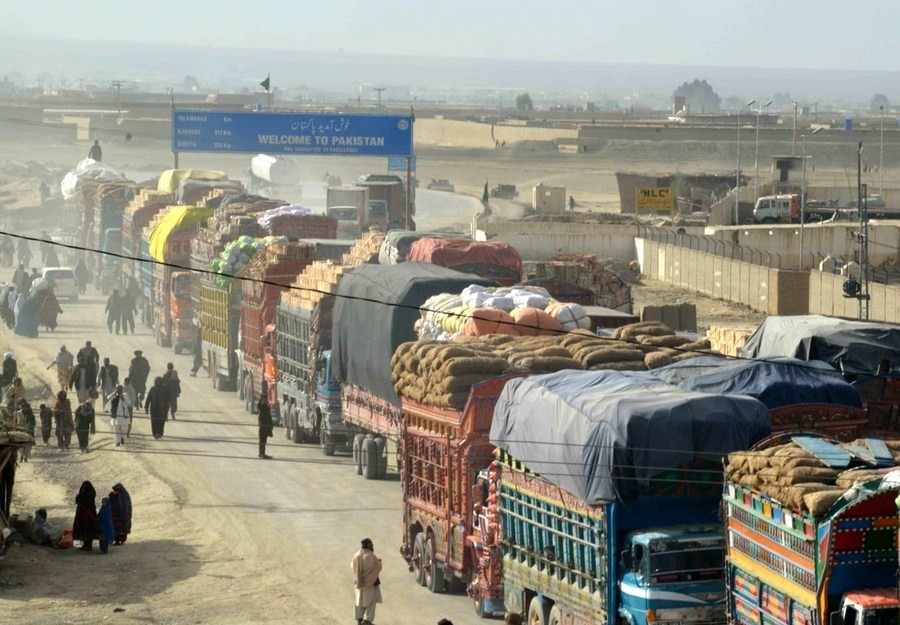
The ongoing confrontation between Pakistan and Afghanistan goes beyond a border dispute or counter-terrorism issue, reflecting a deeper strategic paradox. It has emerged as one of South Asia’s most significant security crises, with cross-border airstrikes, artillery exchanges and militant attacks turning a once-manageable relationship into a volatile standoff, according to a report in Homeland Security Today.
Pakistan has accused Taliban of harbouring Tehreek-e-Taliban Pakistan (TTP), the militant group responsible for attacks inside Pakistan. In response, Pakistan has carried out airstrikes and cross-border operations inside Afghanistan, claiming the right to attack militants operating from Afghan soil.
“Yet framing the crisis purely as a counterterrorism dispute obscures a more fundamental reality. The current conflict is not simply the result of Taliban intransigence or Afghan instability. Rather, it is the culmination of decades of Pakistani policy that nurtured, protected, and legitimised the very militant ecosystem that now threatens it,” the report stated.
“In many ways, Pakistan is confronting the consequences of a strategy it pursued for more than 30 years. The present confrontation is therefore less an external crisis than a paradox of Pakistan’s own making, a literal definition of the Frankenstein’s monster created through its longstanding support for militant proxies in Afghanistan,” it added.
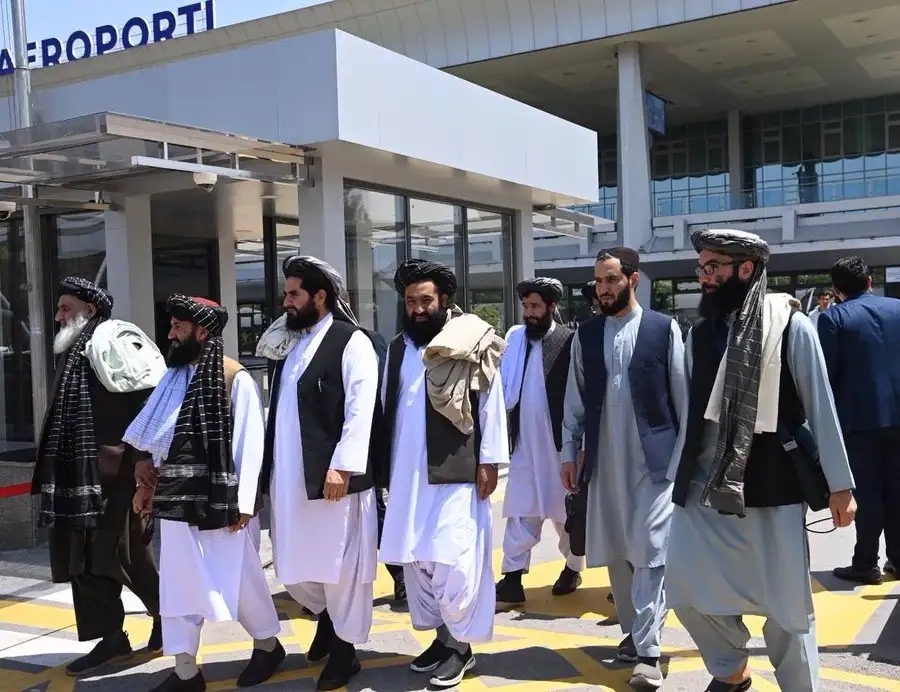
Pakistan’s ties with the Taliban date back to the mid-1990s as Islamabad considered the Taliban as a means to secure influence in Afghanistan. During the Taliban rule from 1996 to 2001, Pakistan was one of the few nations to recognise the regime diplomatically.
After Taliban seized the power in August 2021, Pakistan welcomed the development. At the time, Pakistan believed that Taliban would be cooperative and responsive to Pakistani geostrategic priorities and would help suppress anti-Pakistan militants such as the TTP. However, for Taliban, TTP were not only militants but tribal brethren who had fought parallel battles against state authority.
As TTP’s attacks rose in Pakistan since 2021, Islamabad started using military force. Pakistan frequently carried out airstrikes targeting suspected militant hideouts in eastern Afghanistan. These operations have caused controversy due to civilian casualties and increased anti-Pakistan sentiment in Afghanistan, the Homeland Security Today report elaborated.
The paradox faced by Pakistan today is increased by concerns regarding its own political trajectory as civil rights have deteriorated in the country, according to the report. Former Pakistan Prime Minister Imran Khan was removed from office under controversial circumstances when he resisted the military’s dominance over country’s affairs remains imprisoned.
At the same time, Pakistan has faced criticism for maintaining ties with terrorist groups like Jaish-e-Mohammed (JeM) and Lashkar-e-Taiba (LeT) and allowing other extremist groups like the Tehreek-e-Labbaik (TLP) to operate inside its territory.
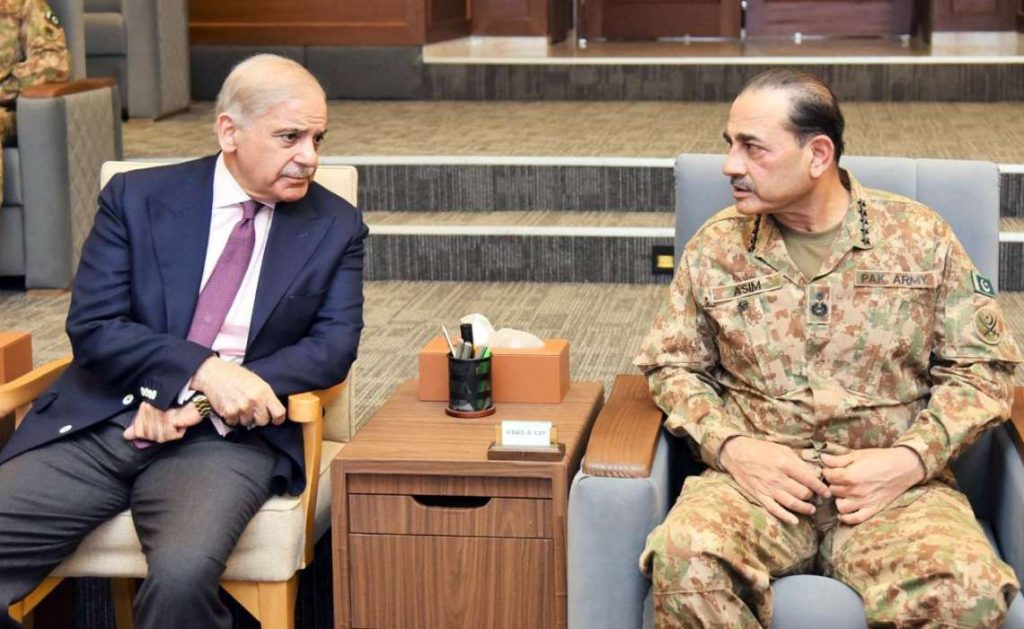
Against this backdrop, Pakistan urging international community to place pressure on Taliban seems somewhat disingenuous. Pakistan warns of dangers posed by militant groups operating in Afghanistan. However, these warnings come from a nation that spent years maintaining ties with many of the same militant groups.
“The Taliban’s return to power was not an unforeseen accident but the outcome of a long conflict in which Pakistan played a central role. To present the Taliban solely as an external threat ignores the historical context that helped bring them to power. The 2026 confrontation between Pakistan and Taliban-ruled Afghanistan is therefore more than a border dispute or a counterterrorism crisis. It is the manifestation of a deeper strategic paradox. In confronting the Taliban, Pakistan is ultimately facing the long shadow of its own strategic decisions. It cannot escape the paradox that the instability it now seeks to contain is, in many respects, the product of policies it once pursued with confidence,” the Homeland Security Today report stated.