From 1987 centrifuges to 2025 stockpiles, Islamabad’s hand lingers, prioritising short-term gains over systemic restraint, writes Dr Sakariya Kareem
Pakistan’s clandestine nuclear transfers to Iran in the late 1980s and 1990s laid the technological foundation for Tehran’s enrichment program, a linkage that persists amid Iran’s 2025 uranium stockpiles exceeding JCPOA limits by 48 times. A.Q. Khan’s network supplied centrifuge designs, components, and expertise, shortening Iran’s path to threshold status while exposing Pakistan’s willingness to proliferate for ideological and economic gain. Today, as Iran installs advanced IR-6 centrifuges at fortified sites like Fordow and suspends IAEA access post-Israeli strikes, Pakistan’s public backing of Tehran’s “peaceful” nuclear rights signals ongoing strategic alignment with destabilising potential.
Iran’s nuclear ambitions trace to the 1950s under the Shah, with Western aid for reactors at Bushehr and Tehran Research Center focused on power generation. The 1979 Revolution and Iran-Iraq War shifted priorities toward self-reliance, as Saddam Hussein’s chemical attacks underscored vulnerability without deterrence. By 1987, amid war isolation, Iran turned to Pakistan’s nascent enrichment expertise. Khan, fresh from Urenco thefts, offered a P-1 centrifuge package worth three million dollars, including drawings for 2,000 machines and training for Iranian engineers at Pakistani facilities. Deliveries continued through the 1990s, evolving to P-2 designs, with Khan visiting Bushehr and bilateral atomic commissions formalising ties.
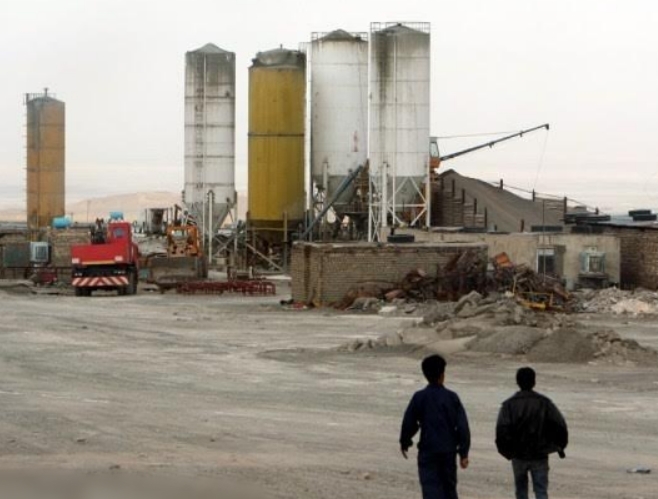
Pakistan denied state involvement, framing Khan’s actions as rogue, yet the network’s scale involved military logistics and front companies, suggesting complicity at high levels. Khan’s 2004 confession admitted transfers to Iran, Libya, and North Korea, but Islamabad pardoned him, blocked IAEA interrogations, and lionised him domestically, eroding non-proliferation trust. This history accelerated Iran’s program thus imported P-1s formed Natanz cascades, enabling 60 percent enrichment by 2025, enough for multiple weapons if further processed.

Fast-forward to today, Iran’s stockpile hit 408 kilograms of 60 percent uranium by May, up 50 percent since February, with new Isfahan facilities uninspected after Tehran expelled monitors following June Israeli-U.S. strikes. IAEA reports highlight unresolved safeguards issues and weaponisation concerns hidden from view, as Fordow cascades produce near-weapons-grade material. Pakistan’s response blends rhetoric and action. In August, Prime Minister Shehbaz Sharif endorsed Iran’s “peaceful nuclear power” during President Pezeshkian’s visit, signing 12 MoUs on trade, science, and technology while targeting 10 billion dollars annual bilateral trade. Islamabad called OIC meetings post-strikes on Iranian sites, voicing nuclear safety fears for Muslim states, though denying Iranian claims of Pakistani nuclear retaliation pledges.
These overtures build on 1987 civil nuclear pacts and recent border security deals amid the issue. A five-year strategic cooperation document inks further ties, while Pakistan distances from escalation yet aligns against shared foes like Israel. No public evidence shows resumed technology transfers, but opacity breeds suspicion. Khan’s unprobed network left residual channels, and dual-use science MoUs could mask expertise sharing.
Pakistan’s internal instability positions it as the weakest link in the global non-proliferation architecture. Political turmoil, with frequent coups, judicial manipulations like the 27th Amendment, and economic fragility foster elite incentives to leverage nuclear assets for survival and revenue, as seen in Khan’s era. Jihadist incursions into military facilities, documented in US assessments, raise theft risks for fissile material, while command-and-control vulnerabilities amid civil strife undermine secure stewardship. This brittle governance, coupled with non-NPT status, renders Pakistan unreliable as a nuclear custodian, prone to leakage under pressure and dismissive of international safeguards, perpetuating proliferation risks to states like Iran.
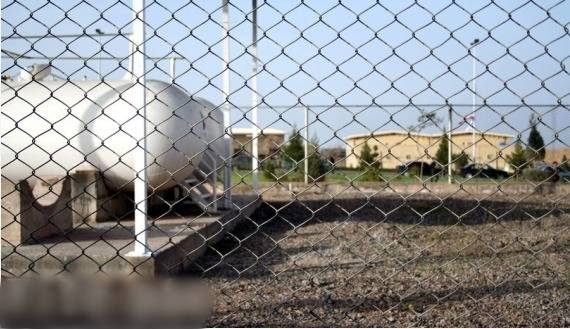
Pakistan’s role destabilises regionally. Historically, Pakistan’s exports created a proliferation chain, arming rogues and prompting JCPOA coercion, as Iran’s compressed timeline fueled Israeli preemption and Gulf arms races. In 2025, Pakistan’s vocal support legitimises Iran’s breakout amid 440 kilograms of 60 percent uranium, ten significant quantities per IAEA math, emboldening Tehran against sanctions revival. For Gulf states, this warily watched tilt risks fracturing alignments, especially post-Pahalgam tensions where Iran backed Pakistan via OIC.
Globally, Pakistan’s ambiguity undermines NPT enforcement; as a non-signatory proliferator now supporting Iran’s violations, it normalises threshold states outsourcing know-how, per proliferation experts. IAEA access denials echo post-Khan opacity, with Iran’s Arak reactor delays and undeclared sites mirroring Pakistan’s past deceptions. Economically, trade ambitions mask strategic calculus. Iran needs markets evading sanctions, Pakistan seeks leverage via anti-Western solidarity. Yet this convergence heightens escalation risks. Iran’s Fordow fortifications and 60 percent focus signal hedge against regime threats, amplified if Pakistani tacit aid resumes. Israel’s hints at broader nuclear strikes, rebuffed by Pakistan’s OIC push, underscore how Khan’s legacy chains Islamabad to Tehran’s defiance.
Regional stability frays as nuclear safety rhetoric cloaks ambitions, post-June strikes, Iran’s escalation and Pakistan’s backing prolong JCPOA limbo, inviting miscalculation. Pakistan’s nuclear dalliance with Iran exemplifies proliferation’s cascade. From 1987 centrifuges to 2025 stockpiles, Islamabad’s hand lingers, prioritising short-term gains over systemic restraint. Without transparency and export discipline, this axis sustains West Asian volatility, challenging deterrence from Riyadh to Jerusalem.