Trump urges pardon for Netanyahu as White House talks focus on Iran nuclear negotiations, Gaza ceasefire progress and deepening US-Israel strategic coordination….reports Asian Lite News
US President Donald Trump has publicly called for Israeli Prime Minister Benjamin Netanyahu to be pardoned in his long-running corruption trial, intensifying political debate in Israel even as Washington and Jerusalem focus on high-stakes negotiations over Iran.
Speaking during a White House event, Trump said Netanyahu had been a “great wartime prime minister” and argued that Israeli President Isaac Herzog should grant clemency. He criticised Herzog for not issuing a pardon, suggesting that Israeli citizens should be “ashamed” of their head of state for failing to act.
Netanyahu is the first sitting Israeli prime minister to face criminal charges. Indicted in 2019, he has denied allegations of bribery, fraud and breach of trust in three separate cases. The trial, which began in 2020, has moved slowly through Israel’s court system, with Netanyahu consistently rejecting the accusations as politically motivated.
Under Israeli law, the president has the authority to pardon convicted individuals. However, there is no clear precedent for granting a pardon mid-trial before a verdict has been delivered. Herzog’s office responded cautiously to Trump’s remarks, emphasising that Israel is a sovereign state governed by the rule of law and that no decision has yet been made.
In a statement, Herzog’s office confirmed that any potential request for clemency would first require a legal opinion from Israel’s Ministry of Justice. Only after that review process is completed would the president consider the matter. The response appeared aimed at underscoring judicial independence amid mounting political pressure.
Trump has raised the issue of a pardon before. In December, he suggested publicly that clemency was forthcoming, a claim swiftly disputed by Herzog’s office at the time. His latest comments mark the most direct intervention yet by a US president in Israel’s internal legal affairs.
Iran negotiations take centre stage
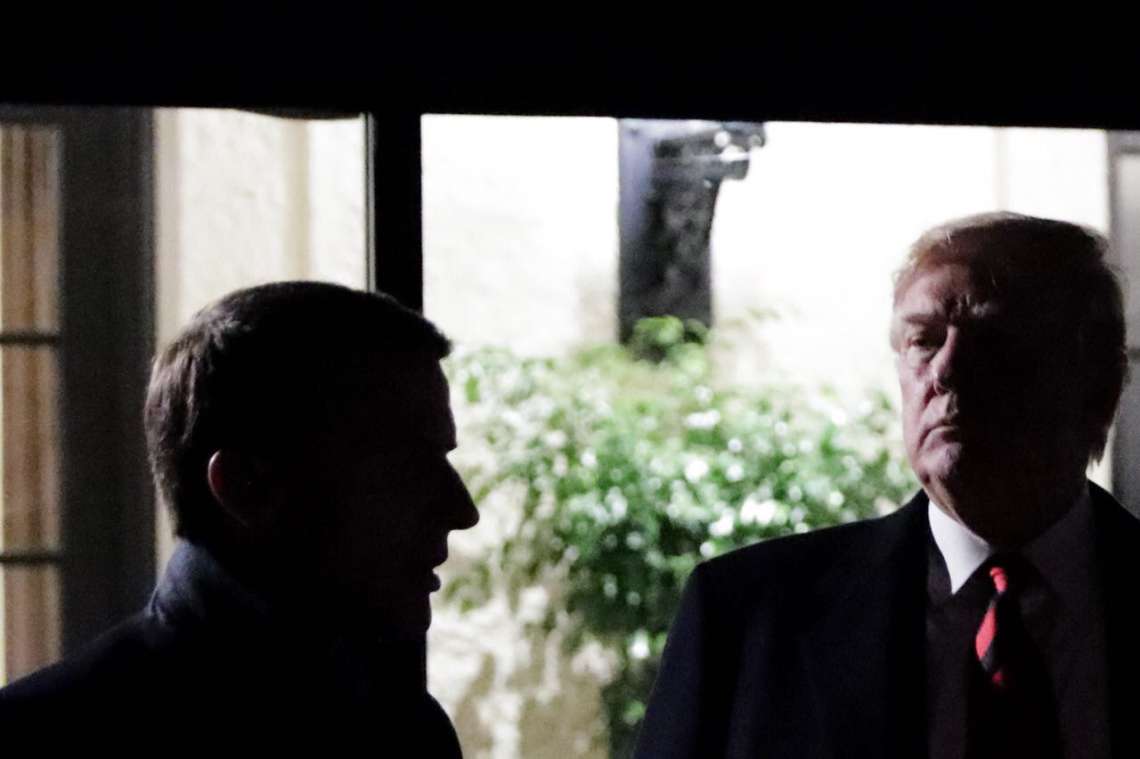
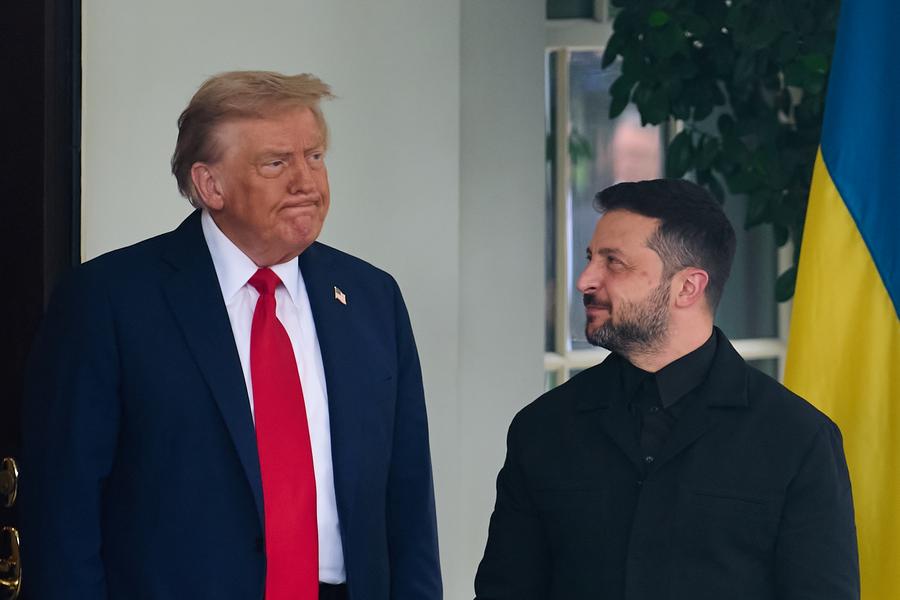
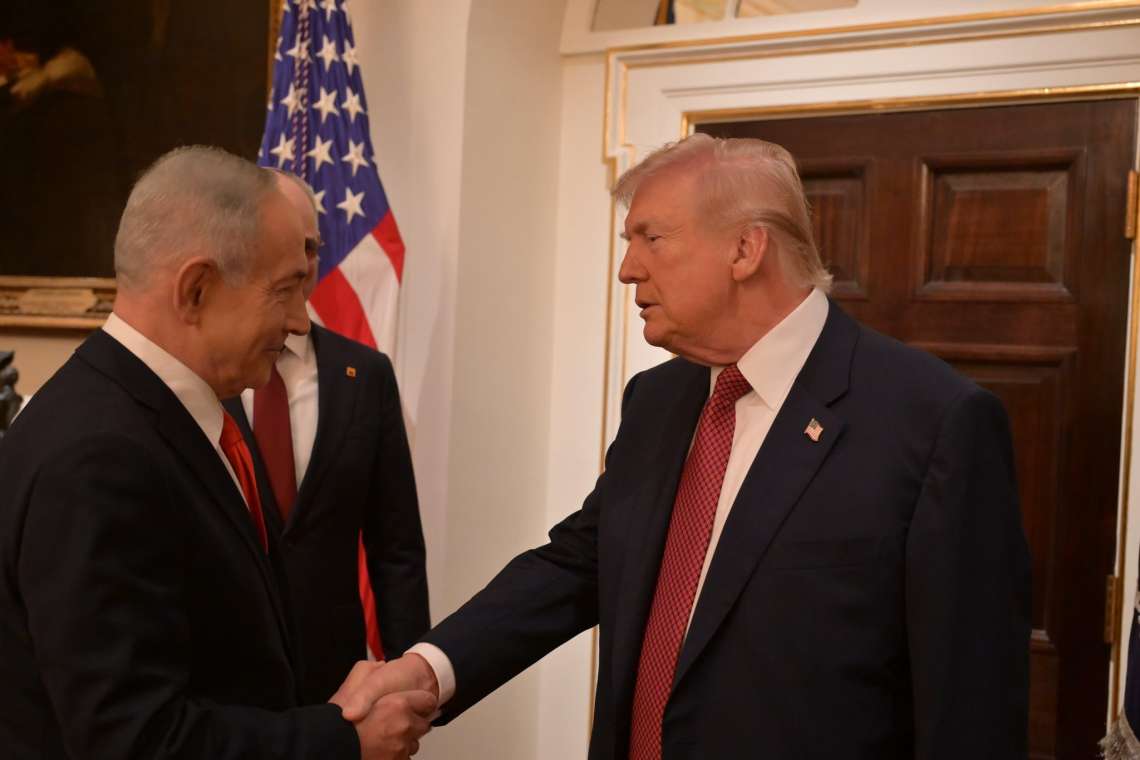
The remarks came a day after Netanyahu met Trump at the White House for what officials described as a “very good meeting”. It was Netanyahu’s fifth visit since Trump began his second term and the seventh meeting between the two leaders over the past year.
Talks focused heavily on Iran’s nuclear programme and its ballistic missile capabilities. Trump insisted that negotiations with Tehran must continue but warned of consequences if diplomacy fails.
“There was nothing definitive reached other than I insisted that negotiations with Iran continue to see whether or not a deal can be consummated,” Trump said, adding that if diplomacy collapsed “we will just have to see what the outcome will be.”
He referenced the US military operation known as “Midnight Hammer,” conducted in June 2025 against Iranian nuclear facilities at Fordow, Natanz and Isfahan. The strikes, which Washington described as limited and targeted, were strongly condemned by Tehran as violations of international law.
Indirect talks between US and Iranian officials have recently resumed in Oman, reflecting renewed efforts to revive a diplomatic pathway. Iran has indicated it is willing to negotiate on nuclear issues but rejects demands to curb its ballistic missile programme or its support for regional proxy groups.
Before departing Israel, Netanyahu signalled that Iran would top his Washington agenda. He has consistently argued that any agreement must address not only nuclear enrichment but also missile development and Tehran’s regional activities, including support for armed groups across the Middle East.
Gaza ceasefire and regional stability
The meeting also touched on Gaza and broader regional dynamics. The Trump administration previously brokered a ceasefire that took effect in October 2025 under a 20-point framework aimed at halting hostilities between Israel and Hamas and paving the way for reconstruction.
Trump said discussions covered “tremendous progress being made in Gaza and the region in general,” expressing optimism about stability efforts. A newly formed Board of Peace is expected to convene later this month to oversee aspects of the reconstruction plan.
Netanyahu, 76, leads a coalition government that has faced both domestic protests and international scrutiny over judicial reforms and wartime decision-making. His corruption trial continues alongside these political pressures, creating a complex backdrop to Israel’s strategic calculations.
Trump’s call for a pardon adds a fresh dimension to an already sensitive legal process. While US-Israel relations remain close, the episode highlights the delicate balance between diplomatic solidarity and respect for domestic judicial systems.