US and Iranian forces exchanged fresh missile strikes across the Gulf as Bahrain, Jordan and Kuwait intercepted attacks, raising fears of a wider regional conflict, reports Asian Lite News Desk
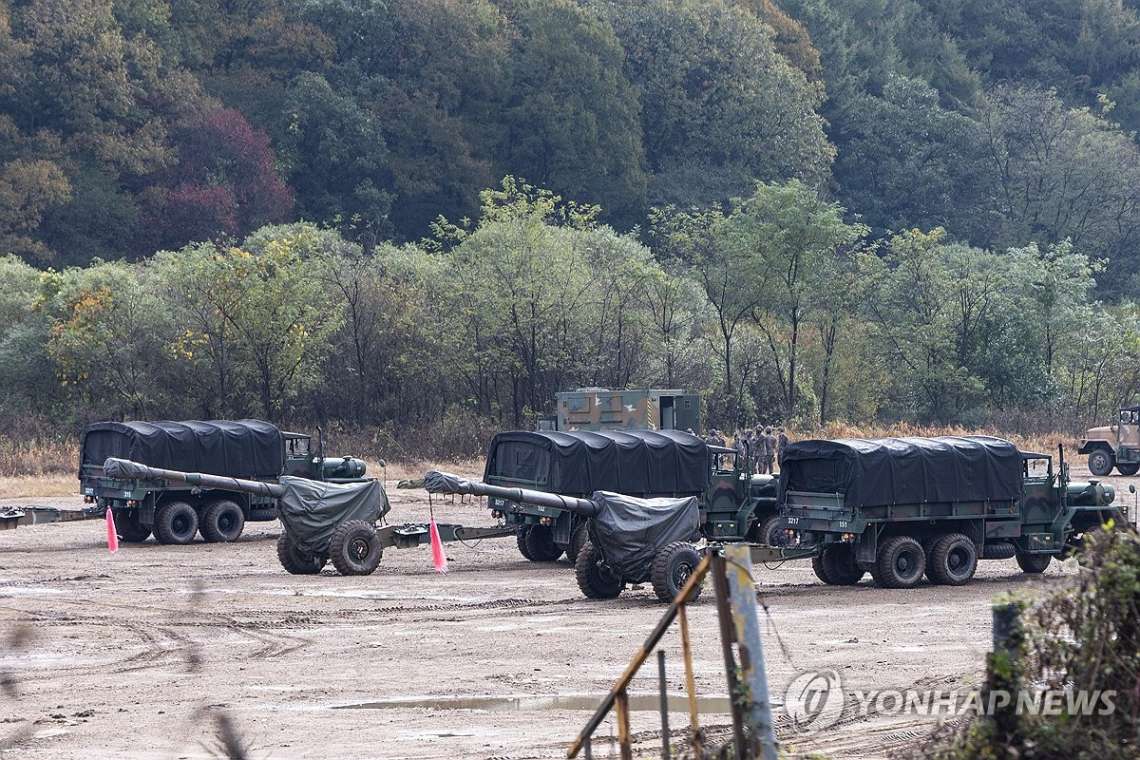
The conflict between the United States and Iran escalated sharply as both sides exchanged fresh military strikes across the Gulf, drawing several neighbouring countries deeper into the crisis and raising fears of a broader regional war.
The latest round of attacks came as shipping traffic through the strategically vital Strait of Hormuz reportedly fell dramatically, highlighting growing concerns over the impact of the conflict on global energy supplies and international trade.
According to US officials, American forces struck around 90 military targets across Iran over the past 48 hours, including sites close to the Strait of Hormuz. Iranian authorities said at least 14 people were killed and 78 injured across five provinces during the latest wave of attacks.
Iranian state media also reported strikes near the Bushehr nuclear power plant, although the United States has not commented on those claims.
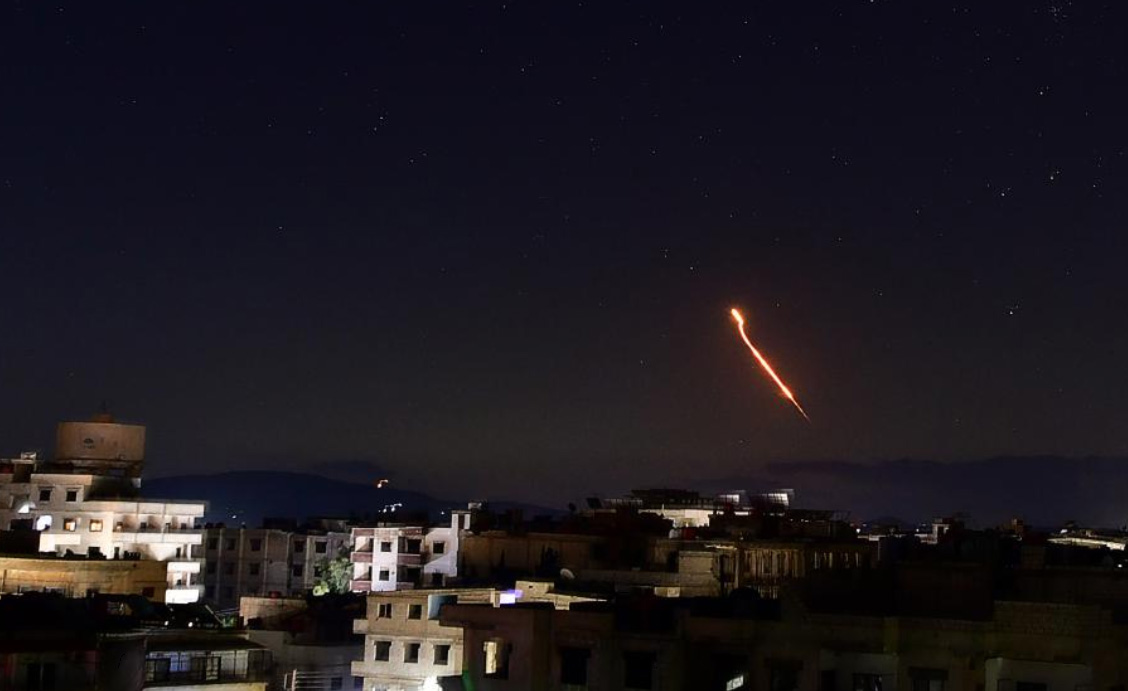
Tehran responded by launching missile and drone attacks targeting US military assets and allied countries across the region. Iranian media said strikes were directed at locations in Kuwait, Bahrain, Jordan and Iraq, describing them as retaliation for the latest American military operations.
The growing conflict prompted several Gulf nations to activate their air defence systems.
Bahrain announced that its military successfully intercepted and destroyed multiple Iranian missiles and drones before they reached their targets. The Bahrain Defence Force accused Iran of continuing a “systematic hostile approach” through attacks aimed at civilian areas and critical infrastructure.
Jordan also confirmed that its air defence systems intercepted eight missiles that entered its airspace. Military officials said debris from the interceptions fell in several areas, but no casualties or property damage were reported.
The Jordanian Armed Forces said they remain on the highest level of operational readiness and vowed not to allow any violation of the kingdom’s sovereignty.
Meanwhile, Iran’s Islamic Revolutionary Guard Corps (IRGC) claimed responsibility for launching 10 ballistic missiles targeting what it described as the US command centre in the Middle East and Al Azraq Air Base in Jordan.
The IRGC warned that any further American military action would expose additional US bases across the region to similar attacks.
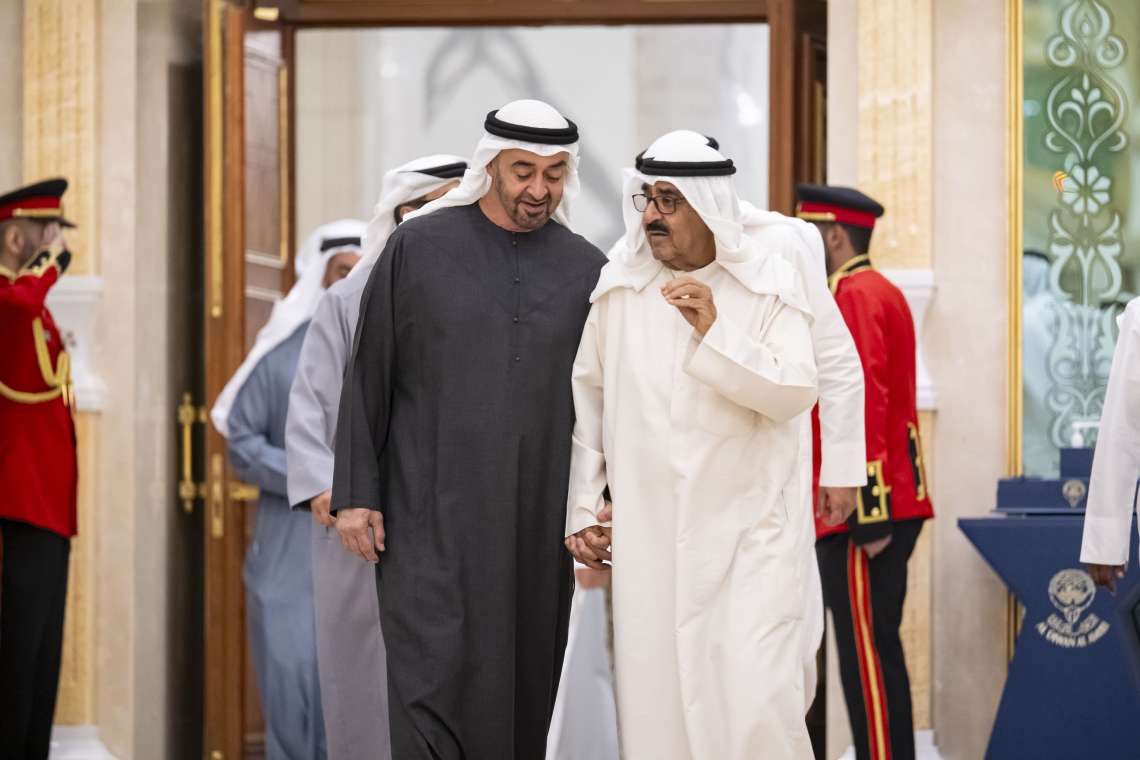
The United Arab Emirates strongly condemned the Iranian missile and drone attacks against Bahrain, Kuwait and Jordan.
In separate statements, the UAE Ministry of Foreign Affairs described the attacks as blatant violations of the sovereignty of the three countries and warned that such actions threaten regional security and stability.
The ministry reaffirmed the UAE’s full solidarity with Bahrain, Kuwait and Jordan, expressing support for all measures taken to protect their national security.
Iran’s Foreign Ministry, however, accused Washington of committing “grave war crimes” through its latest strikes and said the attacks violated both the United Nations Charter and a recently signed memorandum aimed at reducing hostilities between the two countries.
Iranian officials also claimed US strikes had damaged railway bridges linking Tehran with the northeastern city of Mashhad, disrupting transport infrastructure during a period of heightened national mourning.
The military escalation unfolded as hundreds of thousands of mourners gathered in Mashhad for the burial of Iran’s Supreme Leader, Ayatollah Ali Khamenei, who was killed during the opening phase of US and Israeli strikes on 28 February.
After six days of funeral ceremonies, Khamenei was laid to rest at the Imam Reza shrine in his hometown. State television showed vast crowds carrying Iranian flags as prayers were held before his flag-draped coffin was taken into the shrine.
Some mourners displayed banners carrying threats against US President Donald Trump, reflecting growing public anger over the conflict.
Notably absent from the ceremony was Khamenei’s son and designated successor, Mojtaba Khamenei, who has not appeared publicly since reports that he was seriously injured in the same attack that killed his father.
The intensifying conflict is also beginning to affect international commerce.
Maritime observers reported a significant decline in shipping through the Strait of Hormuz, one of the world’s most important oil transit routes, amid fears that further military escalation could disrupt global energy markets.