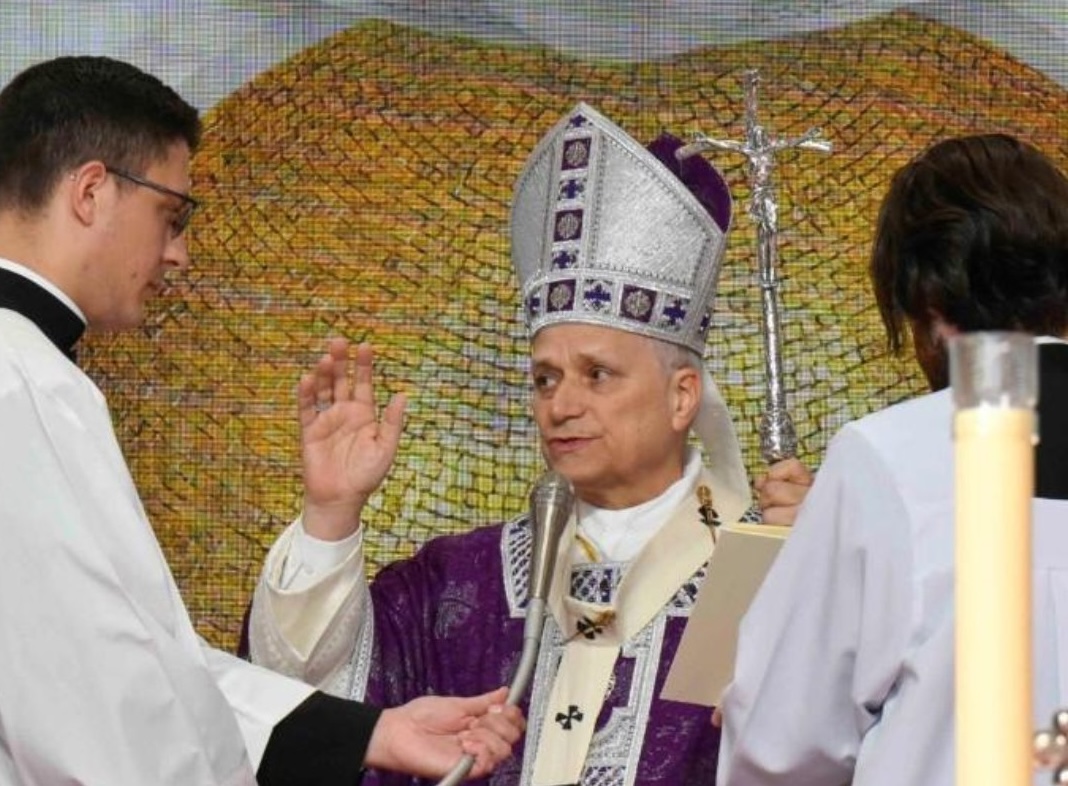
Pope Leo XIV used his address at the Prince’s Palace to condemn what he described as deepening “chasms between the poor and the rich,” reports Asian Lite News
Pope Leo XIV has delivered a sharp warning on rising inequality and global instability during a high profile visit to Monaco, using his first trip to western Europe to highlight the widening gap between the rich and the poor.
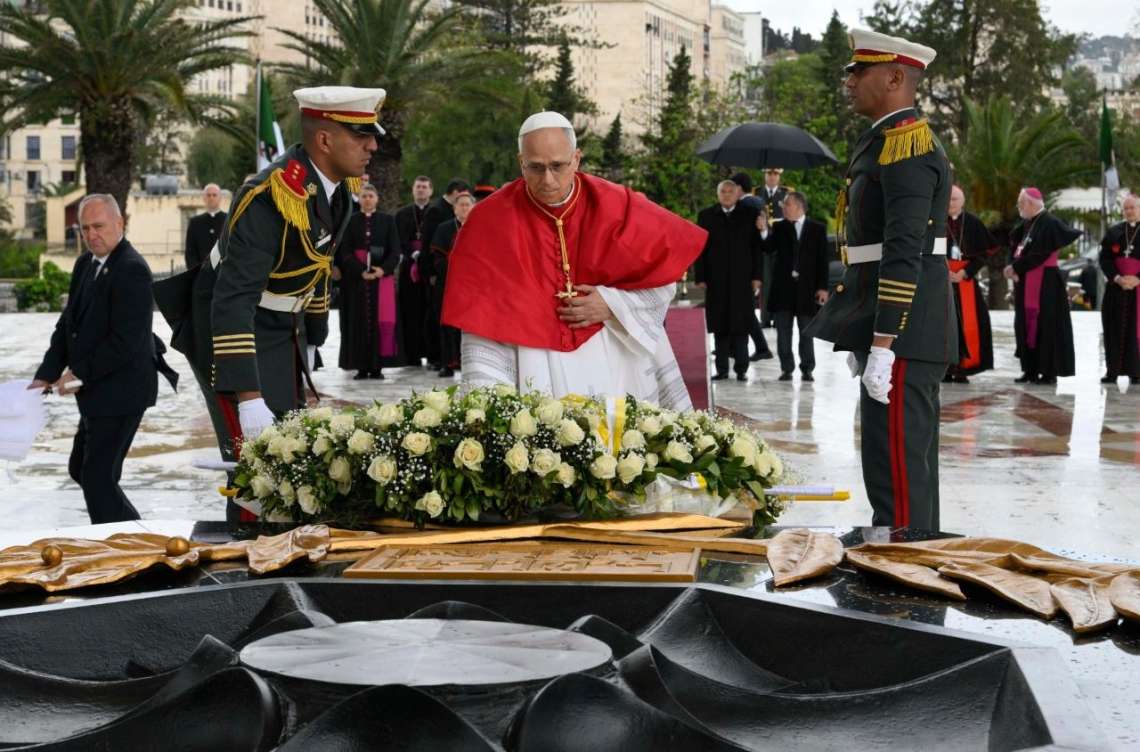
Arriving by helicopter from Rome, the pope was received by Prince Albert II and Princess Charlene at Monte Carlo’s heliport, with the visit immediately drawing attention for its symbolism. Monaco, long associated with extreme wealth and luxury, provided a striking backdrop for the pontiff’s message on inequality and social justice.
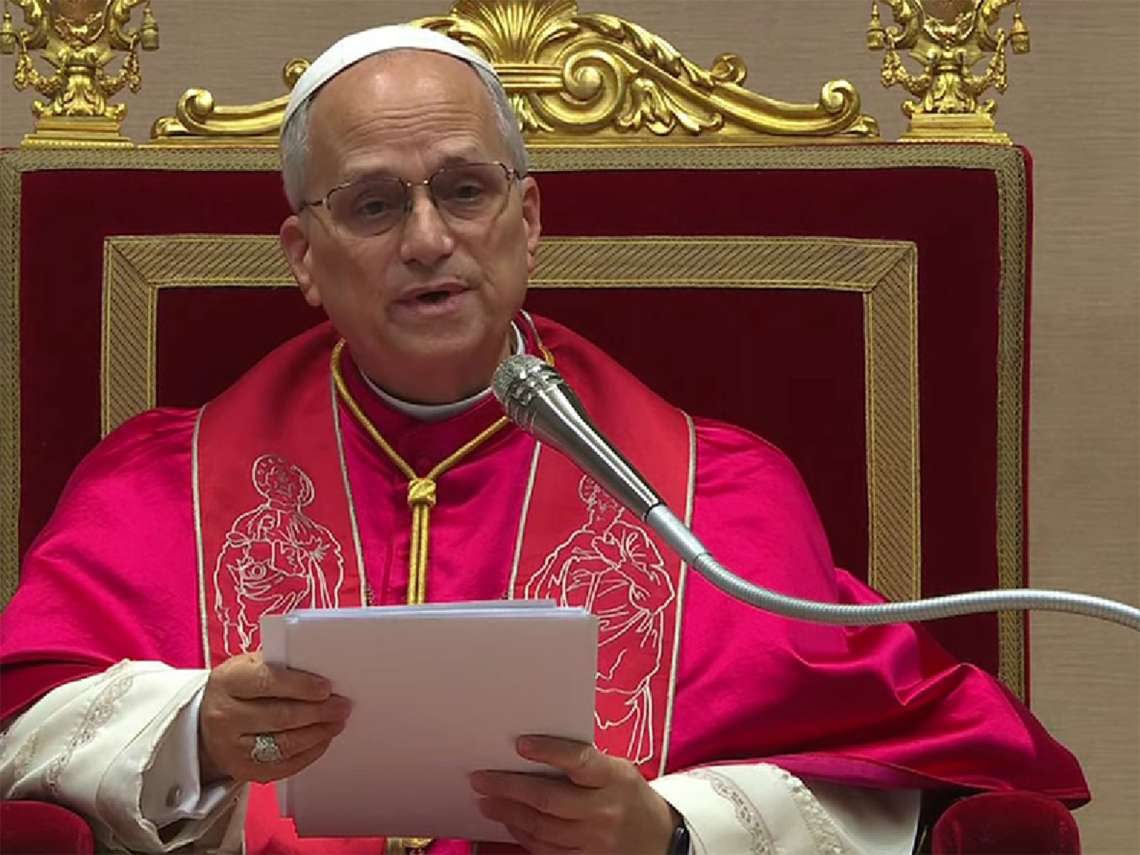
According to Arab News, Pope Leo XIV used his address at the Prince’s Palace to condemn what he described as deepening “chasms between the poor and the rich.” Speaking in French, he criticised unjust systems of power that separate the privileged from the marginalised and warned that such divisions continue to fuel global tensions. He stressed that wealth should serve law, justice and the common good, rather than reinforce inequality or exclusion.
The pope linked economic disparity with broader geopolitical instability, cautioning that displays of force and the pursuit of dominance risk undermining peace. His remarks were widely interpreted as a reflection on the growing number of global conflicts, as well as a call for political and economic leaders to act with greater responsibility in an increasingly polarised world.
During the visit, the pontiff also turned his focus to the issue of war and violence while celebrating Mass at the Louis II Stadium, where he addressed thousands of worshippers. He urged people not to become desensitised to conflict, warning against accepting what he described as the “clamour of weapons and images of war” as a normal part of modern life.
According to Arab News, he emphasised that peace cannot be reduced to a simple balance of power between nations, but must be rooted in compassion, justice and a recognition of shared humanity. He said lasting peace depends on individuals and societies seeing one another as brothers and sisters rather than adversaries.
Reflecting on the human cost of conflict, the pope condemned the loss of innocent lives and warned that many of today’s wars are driven by what he described as the “idolatry” of power and money. He argued that such forces continue to shape global events, often at the expense of the most vulnerable.
He also called on the Church and wider society to play a more active role in promoting peace and solidarity. Emphasising the importance of compassion, he urged support for children, the elderly and the sick, as well as for those living in poverty or isolation. He described care for others as essential to building a more just and humane world.
The pope further stressed that faith should inspire action, encouraging believers to bring hope and joy to others through acts of charity and inclusion. He highlighted the need to protect vulnerable life at all stages, from the unborn to the elderly, and to ensure that no one is left behind in the pursuit of progress.
His visit to Monaco reflects a broader theme emerging early in his papacy, combining strong messages on economic inequality with urgent appeals for peace. By choosing a global centre of wealth as the setting for these remarks, Pope Leo XIV underscored the moral responsibility of those with power and resources.
The trip has reinforced his position as a vocal advocate for social justice, calling for a shift away from systems that divide societies and towards a model based on dignity, solidarity and shared responsibility.