Putin emphasised that Russia continues to advocate dialogue and political solutions as the only viable path to stability….reports Asian Lite News
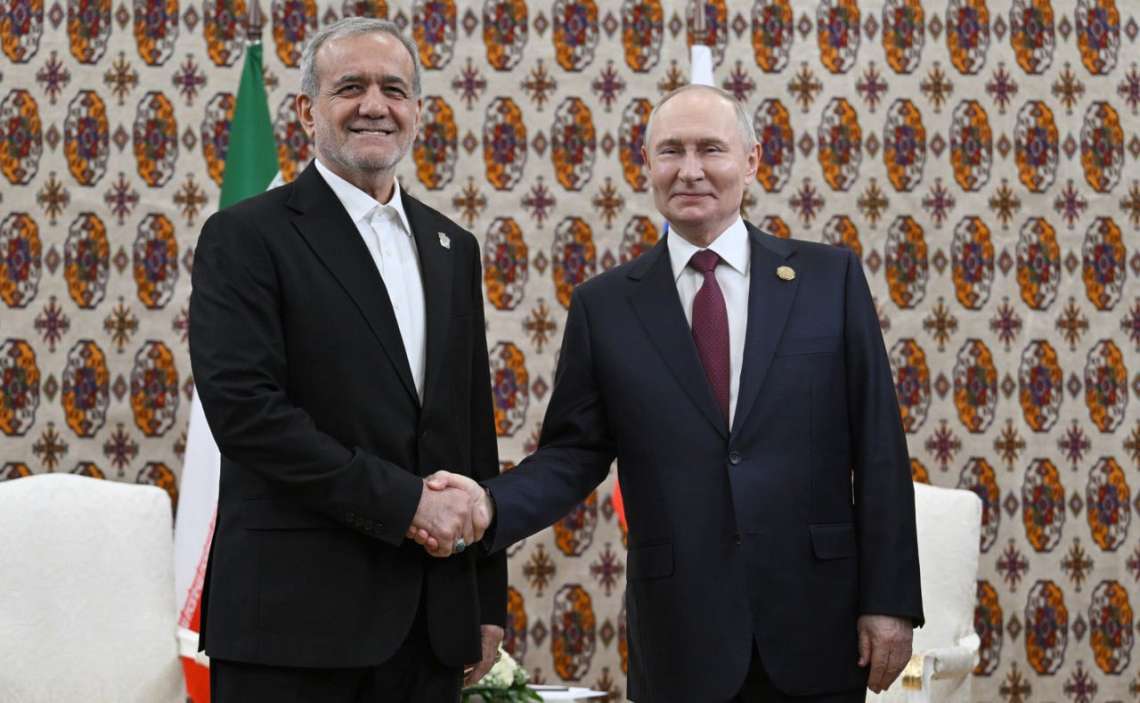
Russian President Vladimir Putin on Tuesday reaffirmed his country’s principled position in favour of the earliest possible de-escalation of the Middle East conflict and its settlement through political means, during a phone conversation with Iranian President Masoud Pezeshkian.
The two leaders discussed the situation in the region following what Tehran has described as Israeli-US aggression against Iran.
Putin emphasised that Russia continues to advocate dialogue and political solutions as the only viable path to stability.
He also reiterated Moscow’s opposition to further escalation and stressed the importance of preventing the crisis from spreading across the wider Middle East.
Meanwhile, President Pezeshkian expressed gratitude to Russia for its support, including humanitarian assistance to Iran amid the ongoing crisis.
The Iranian President underlined the importance of international solidarity in the face of external pressure and welcomed Russia’s role in backing Iran diplomatically and materially.
The Kremlin confirmed that the leaders agreed to maintain close coordination on regional developments, with Moscow positioning itself as a mediator seeking to reduce tensions.
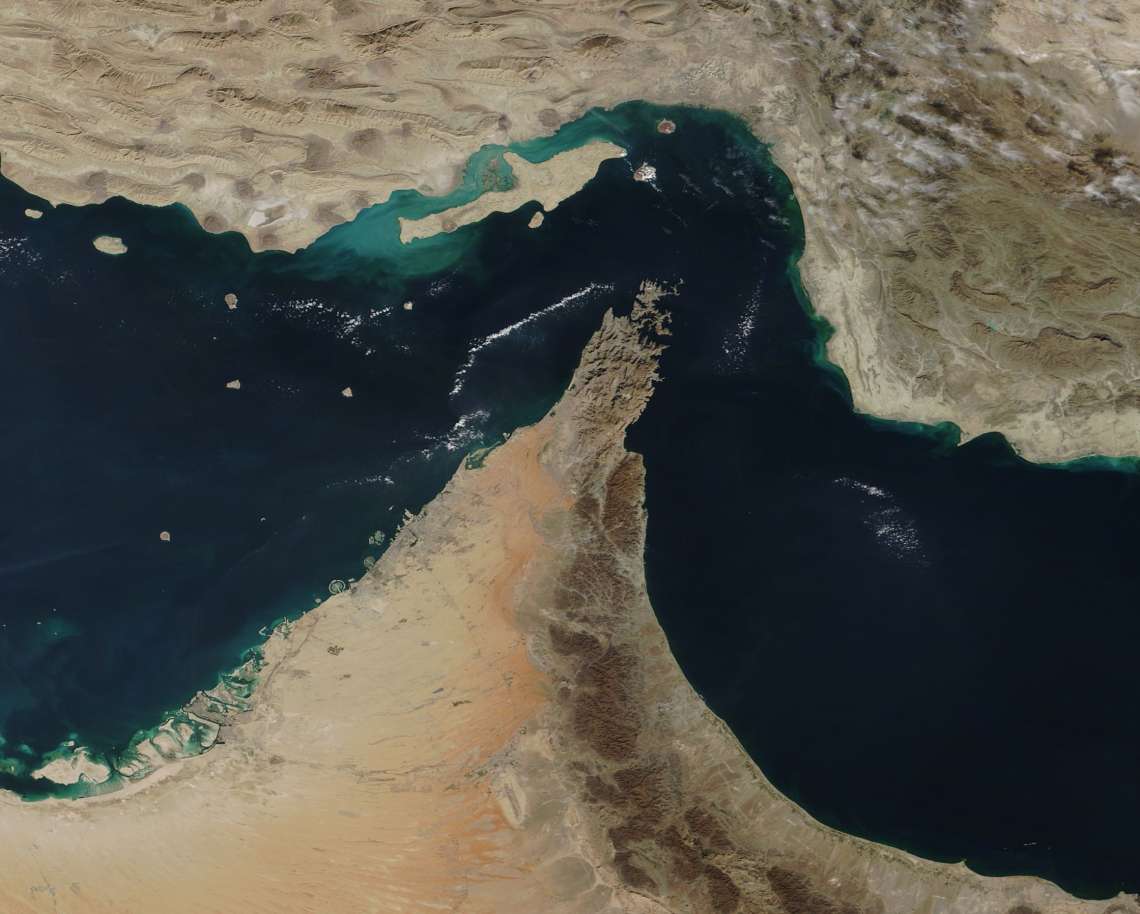
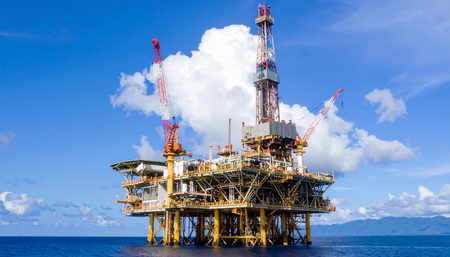
The conversation comes at a time of heightened instability, with fears that the conflict could disrupt energy supplies and trigger wider geopolitical consequences.
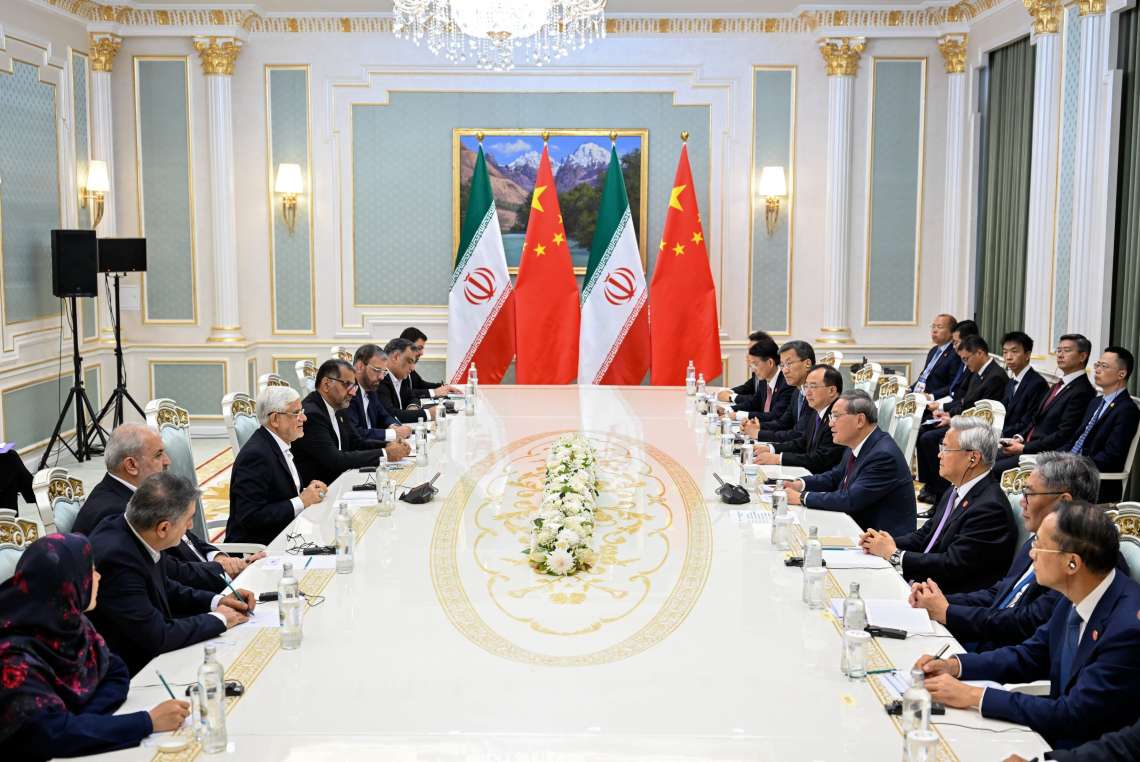
Russia and Iran have historically maintained strong ties, particularly in energy cooperation and regional security.
Tuesday’s phone call also underscores the growing alignment between Moscow and Tehran as both countries face Western sanctions and seek to strengthen strategic partnerships.
The current crisis in Iran escalated after the killing of Supreme Leader Ayatollah Ali Khamenei, an event that has plunged the country into political turmoil and intensified regional instability.
The attack, widely condemned by Tehran as foreign-backed aggression, has sparked protests and heightened tensions with Israel and the US.
The situation has raised fears of a broader conflict, with neighbouring states and global powers closely monitoring developments.