Sri Lanka’s Parliament scraps lifetime pensions for lawmakers, a symbolic reform under President Dissanayake aimed at restoring trust after the 2022 economic collapse….reports Asian Lite News
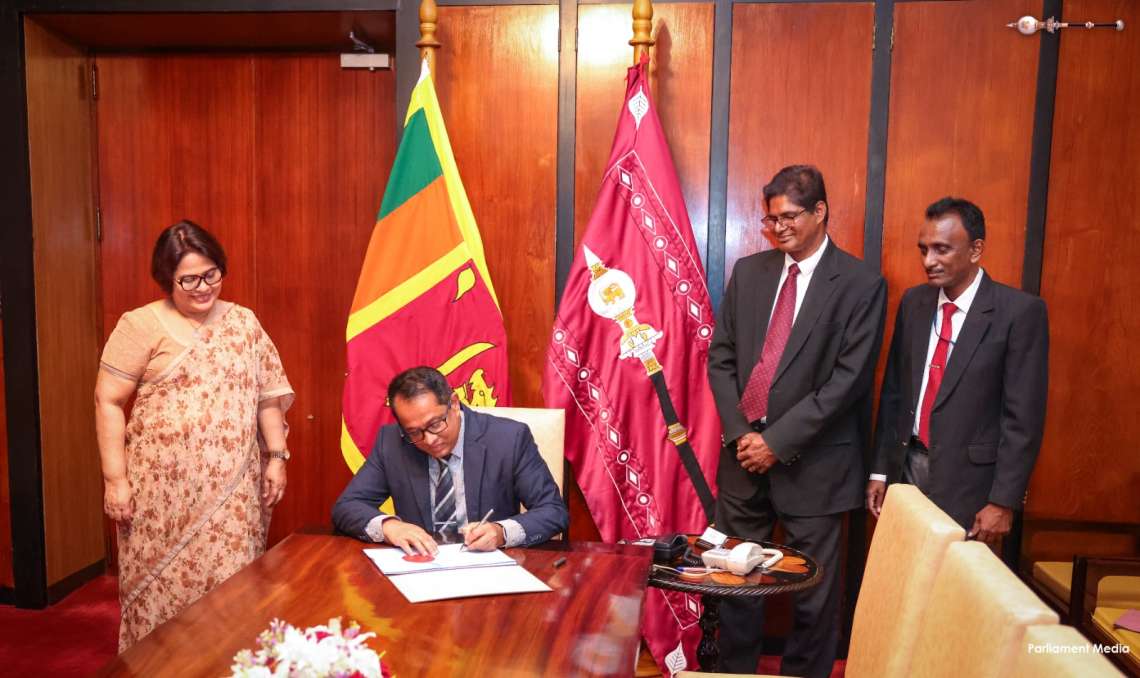
Sri Lanka’s Parliament has voted overwhelmingly to abolish lifetime pensions for lawmakers, delivering on a key election promise by President Anura Kumara Dissanayake and signalling a broader effort to rebuild public trust after the country’s devastating economic collapse.
In a 154–2 vote in the 225-member House on Tuesday, legislators backed a bill ending the long-standing entitlement that granted Members of Parliament a pension after completing just one five-year term. The new law halts payments to those who would otherwise qualify in future and ends eligibility for sitting MPs once their term concludes. Several members were absent during the vote.
The reform marks one of the most symbolically potent steps taken by the new administration since it came to power in 2024 on a wave of public anger over corruption, privilege and economic mismanagement. During his presidential campaign, Dissanayake pledged to dismantle what he described as an “unjust political culture” that insulated elected representatives from the hardships facing ordinary citizens.
Austerity for politicians amid recovery push
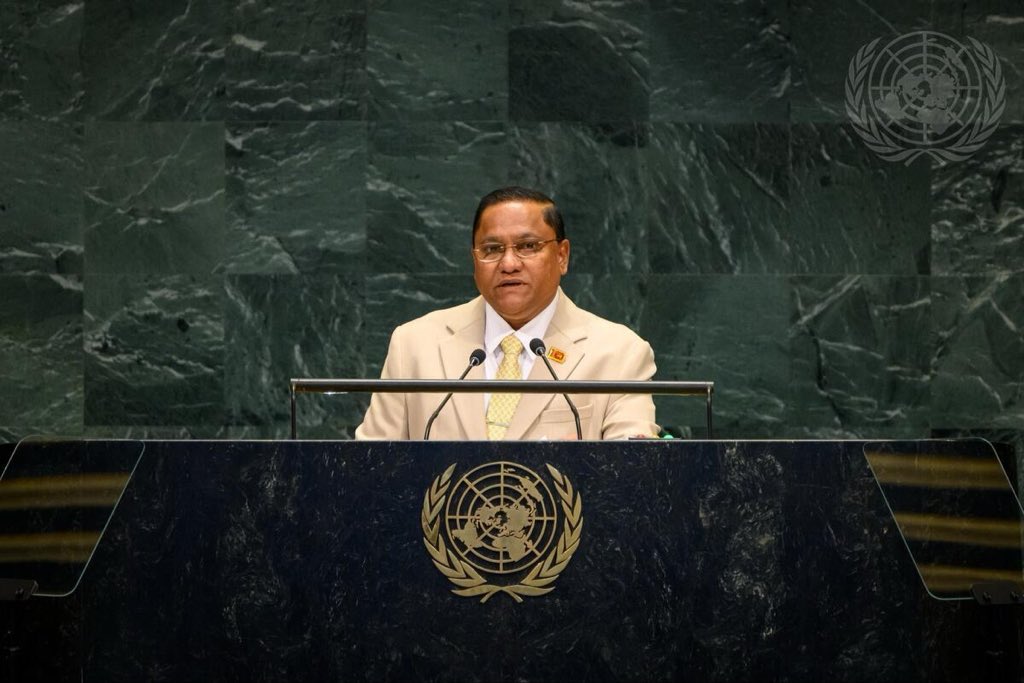
Presenting the legislation, Justice Minister Harshana Nanayakkara told Parliament that lawmakers had “no moral right” to draw pensions while the country was still recovering from its worst economic crisis in decades. He said the move honoured a direct commitment made to voters and reflected a demand for fairness and accountability.
The pension abolition follows an earlier decision by the government to withdraw a range of benefits previously granted to former presidents. Those perks had included state-funded housing, staff, transport and allowances. Officials said at the time that maintaining such privileges was untenable while many Sri Lankans continued to struggle with high living costs and reduced public services.
Sri Lanka’s crisis reached its peak in 2022, when severe shortages of fuel, food, medicine and electricity paralysed daily life. Months of mass protests culminated in the resignation and flight of then-president Gotabaya Rajapaksa. Demonstrators accused successive administrations of reckless borrowing, tax cuts that drained state revenue and policy missteps that depleted foreign reserves.
From bankruptcy to restructuring
In April 2022, Sri Lanka declared bankruptcy with external debt exceeding $83 billion, more than half owed to foreign creditors. The government turned to the International Monetary Fund, which approved a $2.9 billion, four-year bailout programme in 2023. The package required sweeping fiscal reforms, tax increases, subsidy reductions and comprehensive debt restructuring.
Since then, Colombo has reached agreements with bilateral lenders, multilateral institutions and private bondholders, securing what officials describe as around $17 billion in debt service relief. The government says stabilisation efforts have begun to bear fruit, with inflation moderating from triple-digit peaks and foreign reserves gradually rebuilding. However, living standards remain under pressure and public frustration over inequality persists.
Economists have noted that while scrapping parliamentary pensions will not dramatically alter the country’s fiscal trajectory, it carries significant political weight. “The savings may be modest in macroeconomic terms, but the symbolism is powerful,” one Colombo-based analyst said, adding that restoring credibility was essential for sustaining reform momentum.
Rebuilding trust after years of turmoil
Sri Lanka’s economic collapse was driven by a mix of domestic and external shocks. Years of heavy infrastructure borrowing, much of it on commercial terms, left the country vulnerable. The 2019 Easter Sunday terrorist attacks dealt a severe blow to tourism, a major source of foreign exchange. The COVID-19 pandemic then further disrupted tourism and reduced remittances from Sri Lankans working abroad, compounding fiscal strain.
Dissanayake, whose left-leaning coalition capitalised on public disillusionment with established political elites, has framed his presidency as a clean break from past practices. In recent remarks, he said his administration was committed to transparency, anti-corruption measures and ensuring that political leaders shared in the sacrifices required for national recovery.
Opposition figures have offered cautious support for the pension reform while urging the government to focus equally on economic growth, job creation and social protection. Some critics argue that structural reforms in state-owned enterprises and revenue collection will ultimately prove more decisive than symbolic gestures.
Nevertheless, Tuesday’s vote was widely interpreted as a signal that the political class recognises the depth of public anger that erupted in 2022. By dismantling privileges once seen as untouchable, lawmakers have sought to demonstrate alignment with citizens still navigating the aftershocks of crisis.