While the Two Sessions aim to signal continuity and progress, the accounts emerging from across the country suggest that the pursuit of grievances often comes at a personal cost….reports Asian Lite News
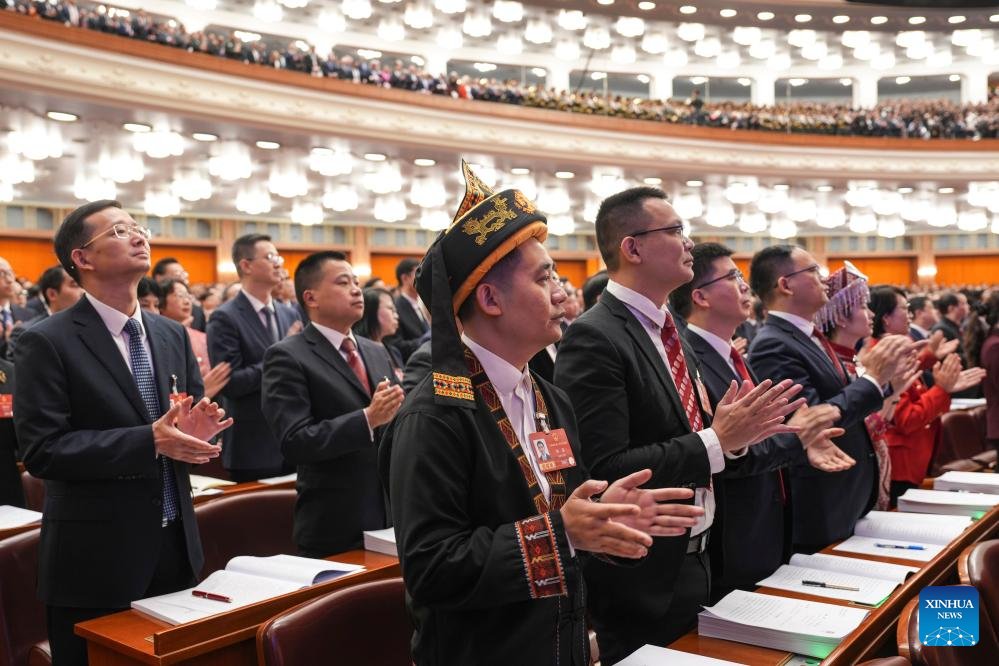
China’s annual “Two Sessions”, the country’s most significant political event, is designed to project policy direction, economic priorities and political unity. Delegates from across the country gather in Beijing to shape the agenda for the year ahead, with the meetings that began on March 4 setting the tone for governance and reform.
Yet, as the proceedings unfold in the capital, rights groups say a parallel reality is taking shape away from the spotlight. According to Amnesty International Australia, citizens travelling to Beijing to seek redress for grievances are facing surveillance, detention and, in some cases, disappearance.
These petitioners, often pursuing cases linked to land disputes, corruption or official misconduct, rely on the xinfang system, which is meant to allow complaints to reach higher authorities. In practice, many are intercepted by local officials before they can present their cases, reflecting pressure on local administrations to prevent grievances from reaching the centre.
Authorities describe such measures as part of “stability maintenance”, aimed at preventing unrest during politically sensitive periods. Critics argue that the approach prioritises control over accountability, with pre emptive steps taken to silence dissent before it becomes visible.
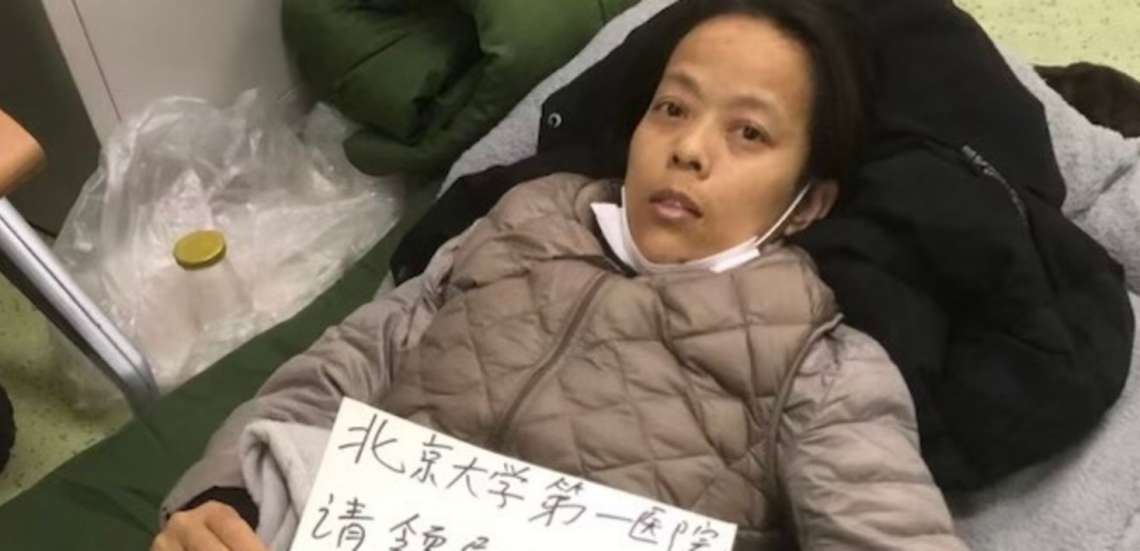
The case of Yang Li, a land rights activist from Jiangsu, illustrates the human cost behind these measures. Yang, who was detained for more than a year over her advocacy, is now reportedly suffering from end stage kidney failure. Her family says police have repeatedly blocked her attempts to travel to Beijing for urgent dialysis treatment, restricting her movement and access to care.
Amnesty International has called the denial of medical treatment “unconscionable”, warning that preventing access to life saving care may amount to a violation of China’s obligations to protect the right to health. United Nations experts have also urged authorities to ensure she receives immediate and adequate treatment, citing concerns over her treatment in detention and subsequent restrictions.
Civil society groups say Yang’s attempts to reach a hospital in Beijing have been repeatedly obstructed, with reports of brief detentions, confiscation of phones and forced returns to her home province. Although she reportedly reached Beijing in February, she was not admitted for treatment and was sent back under police supervision.
Her case reflects a broader pattern, where individuals seeking justice through official channels encounter increased restrictions, particularly during sensitive political events. As the Two Sessions continue, families of missing petitioners remain uncertain about the fate of their relatives, hoping that detentions may ease once the political spotlight fades.
Petitioners across China, many with complaints related to land disputes and official misconduct, are being blocked by local authorities from travelling to Beijing during the Two Sessions, preventing them from presenting their grievances, as part of efforts to ensure zero petitions.
The contrast between the official messaging of reform and stability, and the experiences of petitioners and activists, highlights an enduring tension within China’s governance system. While the Two Sessions aim to signal continuity and progress, the accounts emerging from across the country suggest that the pursuit of grievances often comes at a personal cost.