Moretti had been held in custody since 9 January, while his co-owner remained free under judicial restrictions.
Italy on Saturday moved to recall and instruct its ambassador in Switzerland to formally raise objections with Swiss authorities after the release on bail of Jacques Moretti, co-owner of a Swiss bar linked to a deadly New Year’s tragedy that killed 40 people and injured at least 116 others.
Prime Minister Giorgia Meloni and Foreign Minister Antonio Tajani said Rome had directed its ambassador to contact the regional public prosecutor and convey Italy’s strong indignation over the decision, which they described as deeply offensive to the memory of the victims and profoundly distressing for their families. The Italian government also announced it would officially seek an explanation from Swiss authorities regarding the grounds for releasing a key suspect while investigations are still ongoing.
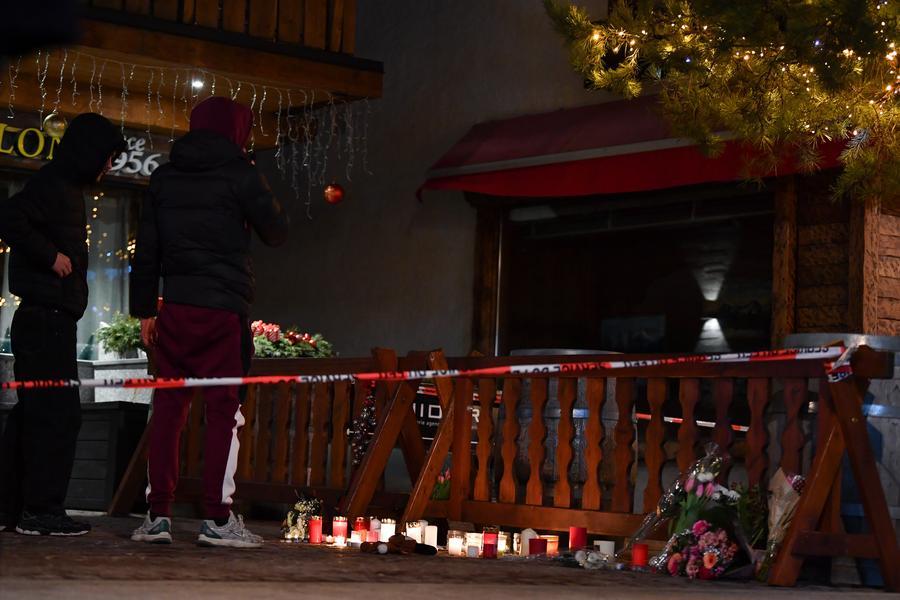
Jacques Moretti and his co-owner are under criminal investigation in connection with the disaster, facing charges including manslaughter by negligence, bodily harm by negligence and arson by negligence. The tragedy occurred during New Year’s celebrations and has been described as one of the most serious incidents of its kind in recent years, with dozens killed and many more left with life-altering injuries.

Moretti had been held in custody since 9 January, while his co-owner remained free under judicial restrictions. On Friday, a Swiss court approved his release after a close associate paid bail amounting to 200,000 Swiss francs. The court said the decision followed a fresh assessment of the risk of flight, as well as a review of the origin of the bail funds and the relationship between the accused and the person who provided them.
Judges opted not to impose electronic monitoring, despite a request from prosecutors, and instead applied standard precautionary measures. Under the terms of his release, Moretti must report daily to a police station, is barred from leaving Swiss territory, and has surrendered all identity and residence documents to judicial authorities.
Rome reacted swiftly and forcefully. Meloni said the release represented a grave affront to the victims and reopened wounds for families still coping with loss and trauma. She stressed that recalling the ambassador was a necessary diplomatic step to underline Italy’s seriousness and its demand for accountability following a catastrophe of such scale.
In a statement, the prime minister pointed to what she described as the extreme gravity of the suspected crimes, the significant responsibilities weighing on the accused, the ongoing risk of flight and concerns about possible interference with evidence. She said these factors made the decision to grant bail particularly troubling and difficult to understand.
“This decision is a fresh wound inflicted on the families of the victims and on those who remain hospitalised,” the statement said, adding that the pain caused by the tragedy requires exceptional care and rigor from all institutions involved. Meloni emphasised that justice must not only be done but be seen to be done, especially in cases involving such widespread loss of life.
Italian officials noted that the issue has deeply resonated across the country, where public attention remains focused on the search for truth and accountability. Many of those affected were Italian nationals, and the disaster has sparked sustained public concern and calls for justice.
“All of Italy is crying out for truth and justice,” the statement said, urging Swiss authorities to adopt measures that fully reflect the suffering and expectations of the victims’ families. The government stressed that legal decisions in such cases must take into account not only procedural considerations but also the human and moral weight of the tragedy.
As investigations continue, Italy’s decision to recall its ambassador underscores the seriousness with which Rome views the case and highlights growing diplomatic strain over the handling of the suspect’s release. Italian leaders said they would continue to press for transparency and accountability, insisting that respect for the victims must remain at the centre of all judicial and diplomatic actions.