The scale of disruption was driven by the breadth of the storm system, which placed roughly 140 million people under winter storm warnings stretching from New Mexico to New England
Flight operations across the United States were thrown into chaos over the weekend as a powerful winter storm forced the cancellation of more than 9,000 scheduled flights, disrupting travel plans for millions and threatening days of continued delays as extreme cold, snow and ice spread across the country.
Airlines began pre-emptively grounding flights as weather conditions rapidly deteriorated, particularly across the South, Midwest and eastern United States.
Major hubs including Dallas–Fort Worth, Charlotte, Nashville and airports along the East Coast reported widespread cancellations as runways iced over, visibility dropped and aircraft de-icing capacity was stretched to its limits. Aviation officials warned that further cancellations were likely as the storm continued moving eastward.
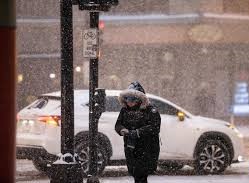
The scale of disruption was driven by the breadth of the storm system, which placed roughly 140 million people under winter storm warnings stretching from New Mexico to New England. Heavy snowfall, freezing rain and sleet created dangerous conditions not only for aircraft operations but also for ground crews, passengers and airport access roads, compounding delays even where flights were not immediately canceled.
Airlines said safety concerns were the primary factor behind the cancellations, citing dangerously low temperatures, strong winds and a widespread band of ice that posed risks to both take-offs and landings. Forecasters warned that ice accumulation in parts of Texas, the Southeast and mid-Atlantic could cause structural damage and prolonged power outages, increasing uncertainty for airport operations well beyond the initial storm period.
In Texas, where icy conditions spread from the north toward central parts of the state, thousands of flights were scrubbed as temperatures plunged into the single digits. Wind chills fell even lower, making outdoor work hazardous for airline and airport staff. Officials warned that dangerously cold conditions would persist into Monday, limiting recovery efforts and slowing the resumption of normal flight schedules.
Snow and sleet also continued to affect parts of Oklahoma and the Midwest, where flight disruptions rippled outward through airline networks. As aircraft and crews were displaced by cancellations, delays mounted nationwide, affecting routes far from the storm’s core. Aviation analysts noted that Sunday could rank among the worst days for weather-related flight disruption in US history.
The storm’s advance toward the Northeast raised additional concerns for some of the country’s busiest air corridors. Forecasts predicted up to a foot of snow in major population centres from Washington through New York and Boston, prompting airlines to cancel large portions of their schedules in advance. At some airports, the vast majority of departing flights were called off as officials sought to avoid stranding passengers.
Flight disruptions were compounded by widespread power outages caused by ice and heavy snow. Tens of thousands of homes were without electricity, particularly in Texas and Louisiana, raising concerns about airport terminal operations, communications systems and ground transportation for stranded travellers. Authorities warned that in areas hardest hit by ice, power restoration could take several days.
Governors in more than 20 states declared emergencies or urged residents to stay home, further limiting travel options. Road conditions remained hazardous, with black ice and snow-covered highways making it difficult for passengers to reach airports even where flights were operating. Public transportation systems in several regions suspended services in anticipation of worsening conditions.
Federal authorities approved emergency measures to support affected states, while National Guard units were deployed to assist with road clearing and emergency response. Utility companies mobilised large numbers of repair crews to restore power, though officials cautioned that ongoing freezing rain and strong winds could delay progress.
The storm also renewed scrutiny of infrastructure resilience, particularly in regions vulnerable to extreme cold. Energy officials authorised emergency steps to stabilise power grids under heavy demand, aiming to prevent broader outages that could further disrupt airport operations and communications.
Airlines advised passengers to check flight status before heading to airports, warning that recovery would be gradual and dependent on weather conditions improving across multiple regions simultaneously. Travellers were urged to rebook where possible and avoid unnecessary travel until conditions stabilise.
Forecasters said the storm would gradually weaken as it moves through the Northeast, though bitter cold and lingering snow are expected to persist in parts of New England and around the Great Lakes. Until then, aviation officials warned that cancellations and delays could continue, underscoring the storm’s far-reaching impact on the nation’s air travel system.