Syria begins destroying newly uncovered chemical weapons materials, marking a major disarmament step as Damascus accuses Israel of disrupting international inspections and operations, reports Asian Lite News Desk
Syria has begun destroying chemical weapons materials uncovered after the fall of Bashar al-Assad’s regime, in what Damascus has described as a historic step towards dismantling the country’s remaining chemical arsenal.
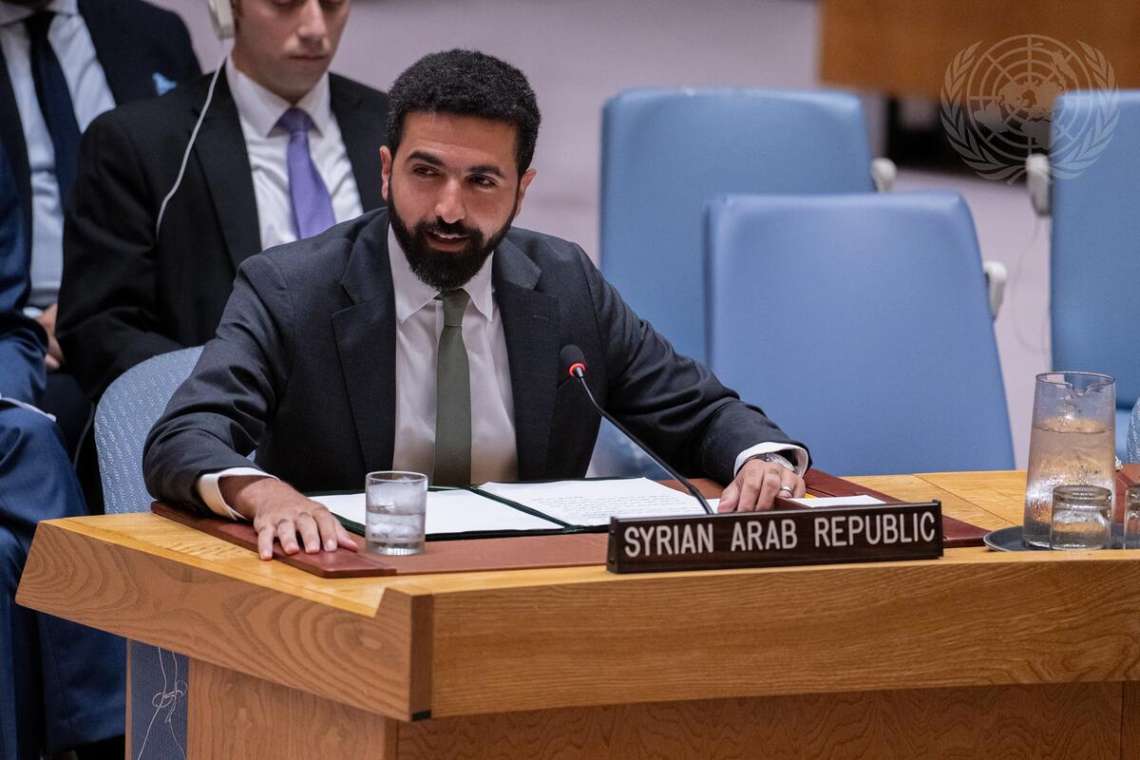
Syria’s UN ambassador Ibrahim Olabi told the Security Council that the destruction marked the first such process on Syrian soil in more than a decade.
He said the new authorities had inherited responsibility for chemical weapons left by the former regime, despite insisting that the arsenal was “not our legacy”. Olabi said the process demonstrated Syria’s willingness to re-engage with the international system through cooperation with the Organisation for the Prohibition of Chemical Weapons (OPCW).
UN disarmament chief Izumi Nakamitsu told the council that an OPCW team had verified the irreversible destruction in August of 42 aerial bombs. It was the first time since 2014 that the chemical weapons watchdog had verified the destruction of chemical munitions in Syria.
The development follows an OPCW mission in May that uncovered previously undeclared Assad-era chemical weapons materials. Syria subsequently amended its declaration to include an additional production facility, a chemical used in nerve-agent manufacturing, empty munitions and two storage sites in Al-Qutayfah and Homs.
The OPCW Executive Council approved agreements covering the two storage sites in July, alongside a verification plan for the destruction of Category 3 weapons at Al-Qutayfah.
Nakamitsu said Damascus had provided substantial support for OPCW operations, while urging the international community to back the effort.
Olabi, however, accused Israel of disrupting the process through repeated attacks on Syria, saying strikes had at times halted destruction work and forced inspection visits to be cancelled.
The chemical weapons issue remains closely linked to the legacy of the Syrian civil war, including the deadly 2013 Ghouta sarin attack. UN investigators confirmed the use of sarin against civilians, while rights groups have documented more than 200 chemical attacks during the conflict.
Nakamitsu said the anniversary of Ghouta was a reminder that chemical weapons use must never be tolerated and urged the Security Council to support the unprecedented disarmament effort.