Vance downplays six-month Iran conflict as war, while renewed clashes, Strait of Hormuz tensions and rising fuel costs create mounting pressure on Trump, reports Asian Lite News Desk
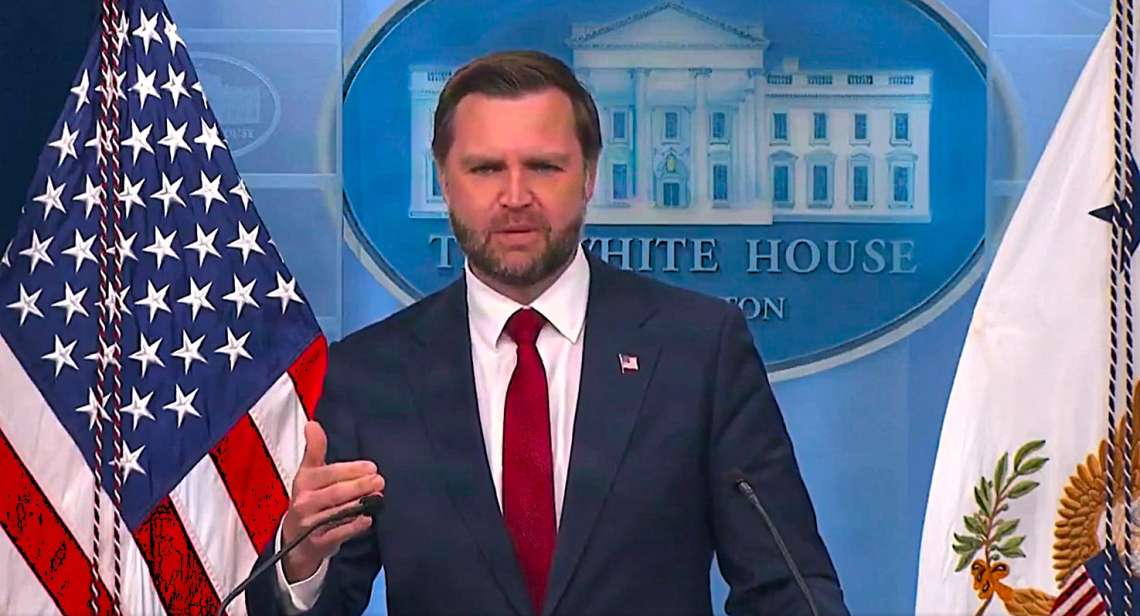
US Vice President JD Vance has refused to describe the six-month conflict with Iran as a war, despite renewed clashes and continued disruption around the strategic Strait of Hormuz.
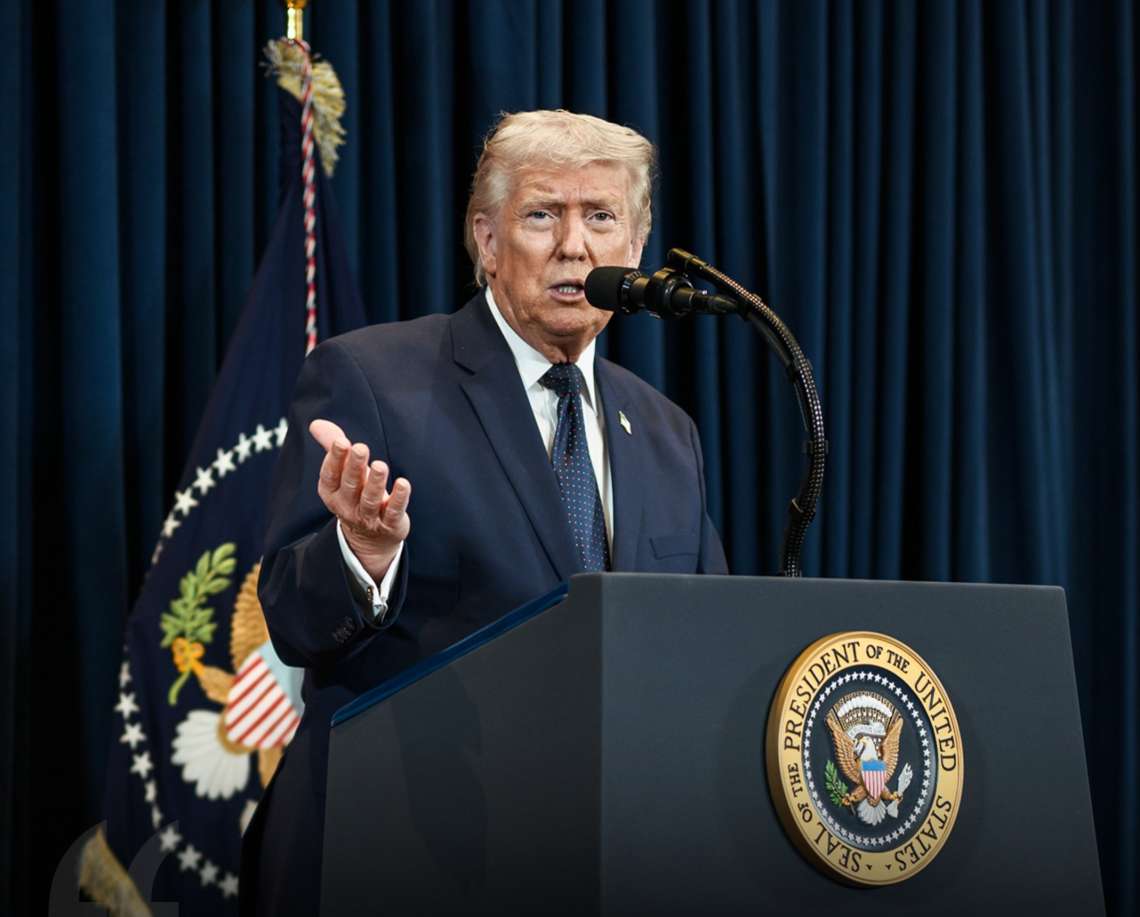
Vance made the comments at a White House briefing as President Donald Trump’s administration appeared increasingly keen to portray the conflict as winding down, amid growing domestic pressure over fuel prices and the economic fallout.
Asked whether the conflict would be over by the US midterm elections in November, Vance said: “I wouldn’t call it a war. Right now, there is no active shooting.”
He acknowledged that fighting had flared up in some areas but argued that major combat operations had lasted only about six weeks following the US-Israel offensive against Iran that began on February 28.
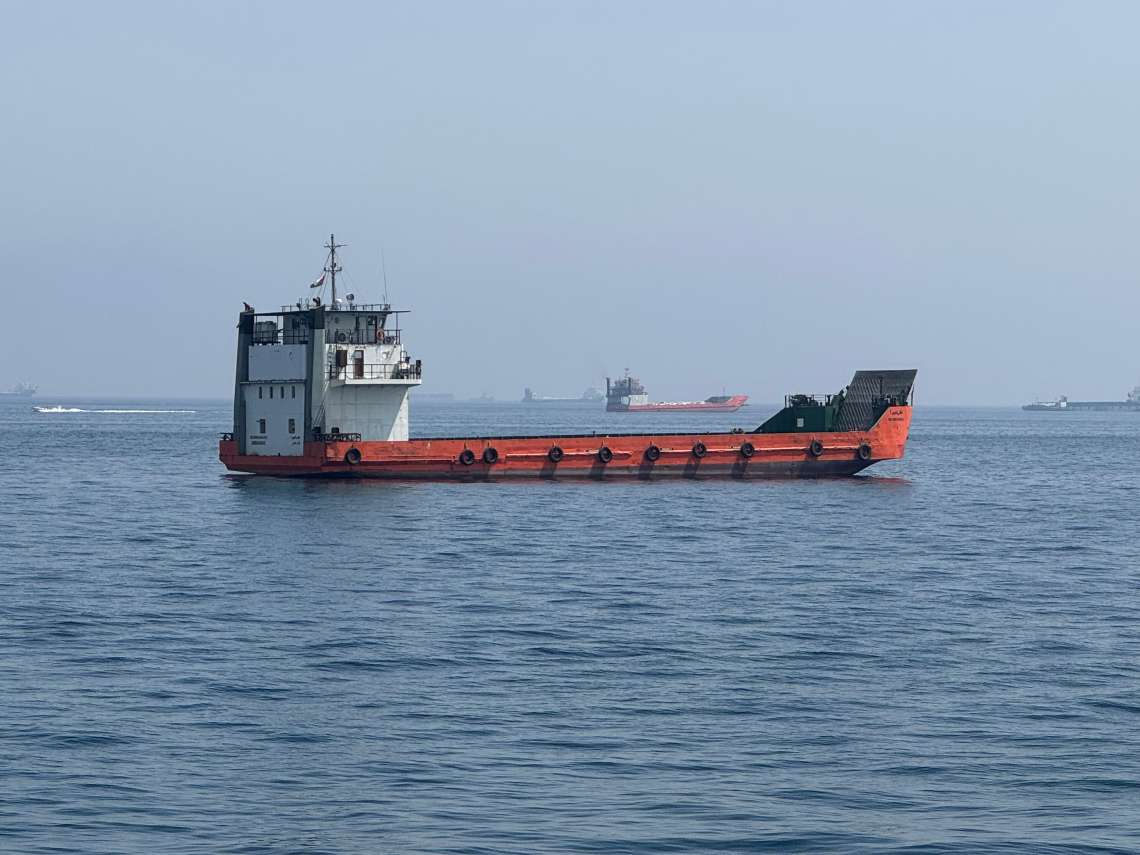
However, tensions remain unresolved, with fresh US raids on Sunday triggering renewed clashes after several weeks of relative calm. Iran has also continued to exert pressure over the Strait of Hormuz, a vital route for global energy supplies.
Vance said Washington would not resume negotiations with Tehran until Iran stopped attacks on commercial shipping.
He nevertheless claimed Iranian control over the waterway had been “effectively” broken and said oil and gas flows through the strait were now approaching levels seen before the conflict began.
Three months earlier, he said, virtually no oil and gas had been moving through the strait because of Iranian threats. He claimed volumes had now recovered to “almost” pre-conflict levels.
The comments come as Trump faces mounting political pressure over the economic consequences of the conflict. Fuel prices have emerged as a particular concern for Republicans ahead of the November elections, when control of Congress will be contested.
Trump entered office promising to avoid new foreign wars, but the prolonged confrontation with Iran has increasingly become a major challenge for his administration, with his approval ratings reportedly close to record lows.