Noem has been reassigned as a special envoy for a new regional security initiative as political divisions intensify over deportation policy and DHS operations…reports Asian Lite News
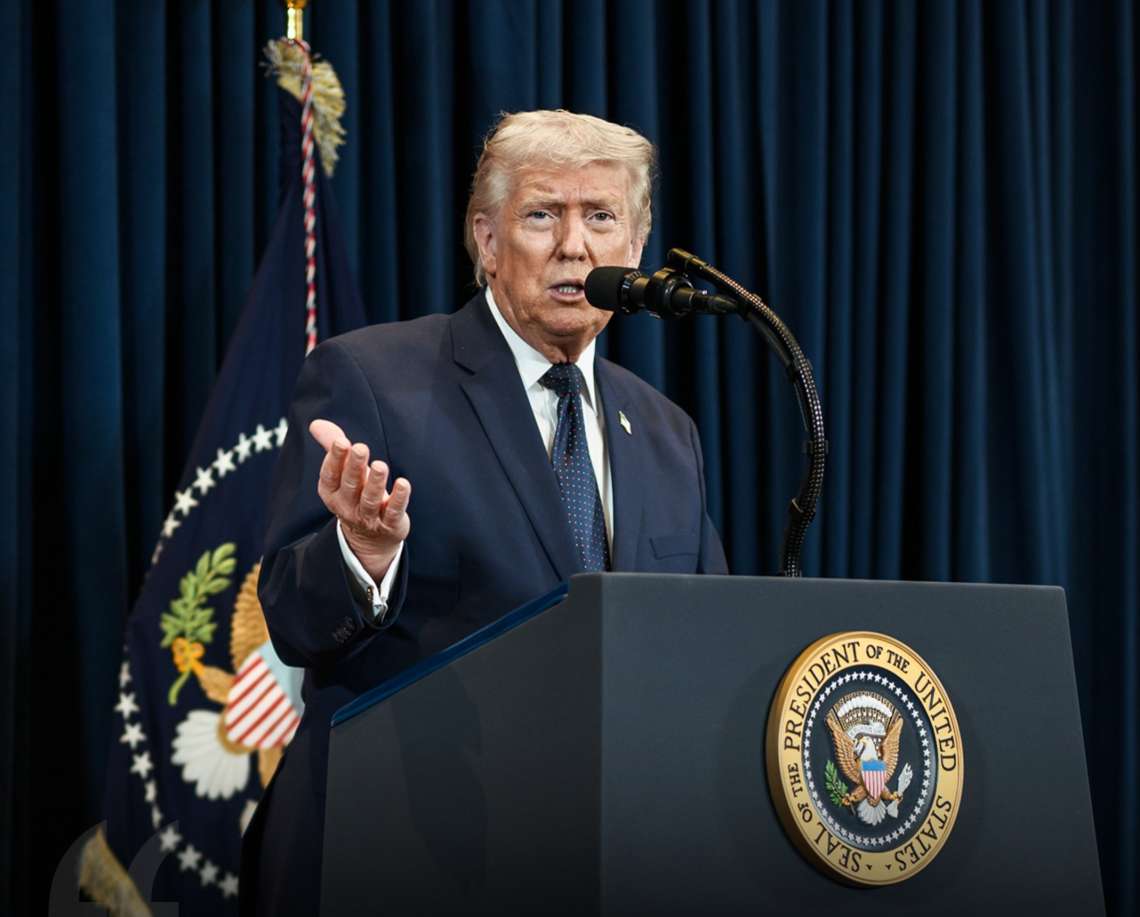
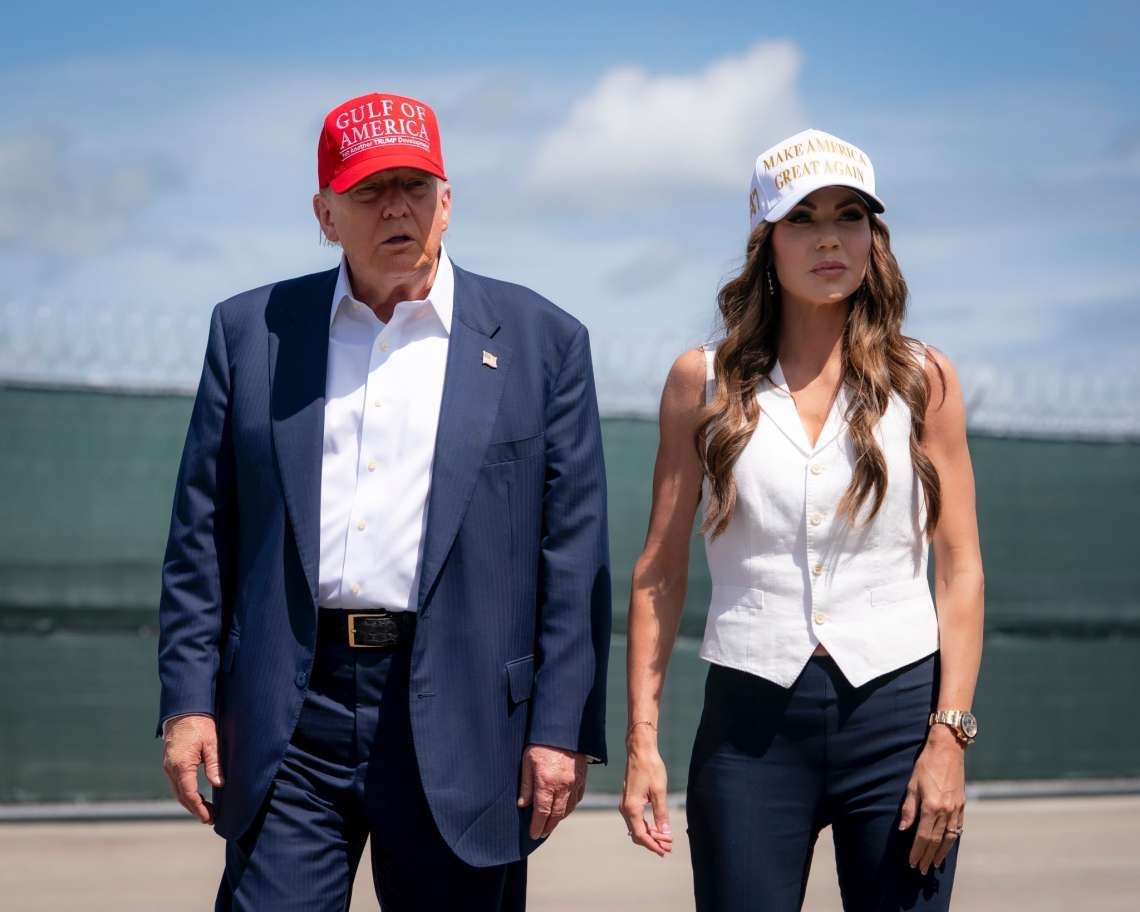
President Donald Trump has dismissed Kristi Noem as head of the Department of Homeland Security (DHS), the agency overseeing border control and immigration enforcement, and announced that Republican Senator Markwayne Mullin of Oklahoma will take over the role at the end of the month.
The decision follows criticism of Noem’s recent testimony before a Senate committee, according to multiple media reports. During the hearing, she told lawmakers that the president had approved a $220 million DHS advertising campaign in which she appeared prominently. Reports said Trump was unhappy with the testimony.
In a post on Truth Social, Trump said Mullin would assume leadership of the department on 31 March. The president also confirmed that Noem would take on a new position as special envoy for a regional security programme he described as “The Shield of the Americas”, focused on co-operation across the Western Hemisphere.
Trump praised Noem’s record in office, saying she “has served us well, and has had numerous and spectacular results (especially on the Border!)”. He described Mullin as a “MAGA Warrior” who would be a “spectacular Secretary of Homeland Security.”
Mullin’s appointment is subject to Senate confirmation. Republicans currently hold a majority in the chamber, which is responsible for approving senior executive branch nominations.
The change in leadership comes at a sensitive moment for DHS, which is responsible for implementing the administration’s immigration policies. Trump campaigned on a pledge to remove millions of undocumented migrants from the United States, placing the department at the centre of his deportation strategy.
Noem faced criticism from both Democratic and Republican senators during a hearing earlier this week examining the department’s operations and its approach to immigration enforcement.
Senator Dick Durbin, a Democrat from Illinois, criticised the department’s direction under Noem’s leadership, telling her: “Under your leadership, the Homeland Security Department has been devoid of any moral compass or respect for the rule of law.”
Durbin and other Democrats repeatedly pressed Noem over the fatal shooting of two Americans by federal agents in Minnesota during protests linked to the immigration crackdown. Lawmakers asked her to apologise for the deaths and for describing the individuals as “domestic terrorists”.
Criticism also came from within the president’s own party. Senator Thom Tillis, a Republican from North Carolina, described Noem’s tenure as deeply problematic and publicly called for her resignation.
“What we’ve seen is a disaster under your leadership,” Tillis said. “What we’ve seen is innocent people getting detained that turn out are American citizens.”
Another Republican senator, John Kennedy of Louisiana, questioned Noem about the cost and purpose of the DHS advertising campaign encouraging undocumented migrants to leave the country voluntarily.
Noem defended the initiative, telling lawmakers the advertisements had been “effective.”
“They were effective in your name recognition,” Kennedy replied.
The leadership change also comes as DHS faces a partial shutdown linked to a funding dispute in Congress. Democratic lawmakers have opposed approving new funding for the department unless significant changes are made to immigration enforcement practices.
Among their demands are limits on patrol operations, a prohibition on Immigration and Customs Enforcement officers wearing face coverings, and a requirement for agents to obtain judicial warrants before entering private property.
The funding impasse reflects broader political divisions over immigration policy, border security and the role of federal enforcement agencies. With deportation strategy a central element of Trump’s agenda, the transition in leadership at DHS is likely to draw continued scrutiny from lawmakers on both sides of the aisle.
Noem’s reassignment and Mullin’s nomination mark a significant shift in the administration’s national security team at a time when immigration enforcement remains one of the most contentious issues in American politics.