The Trump administration has vowed to continue military operations against Iran after two US service members were killed in an attack on a base in Jordan….reports Asian Lite News Desk
The Trump administration has said its military campaign against Iran will continue despite the deaths of two American service members in an Iranian attack on a US military base in Jordan.
The attack, which also left another US service member missing and four others injured, marked the first American military fatalities since a US-Iran agreement collapsed several weeks ago. The injured personnel have since been discharged from hospital.
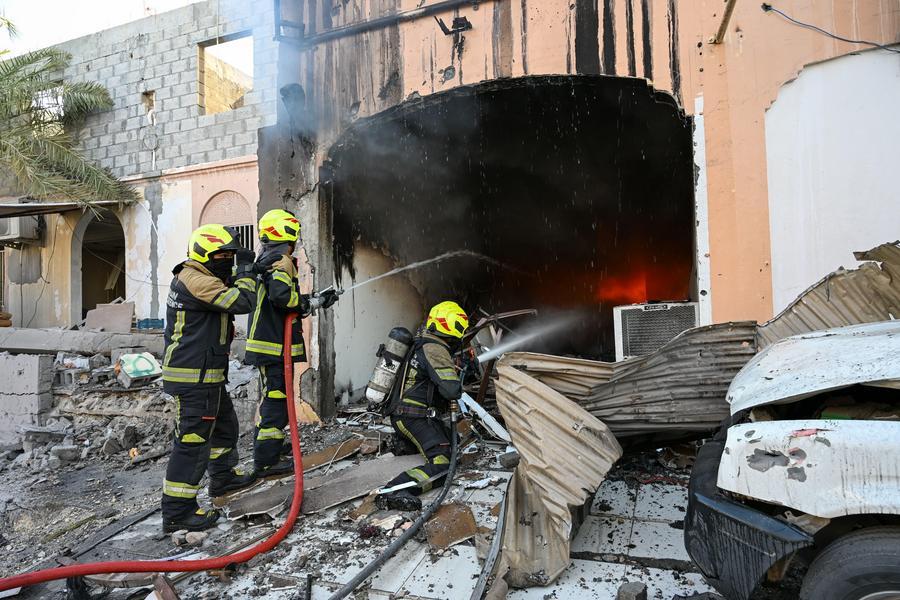
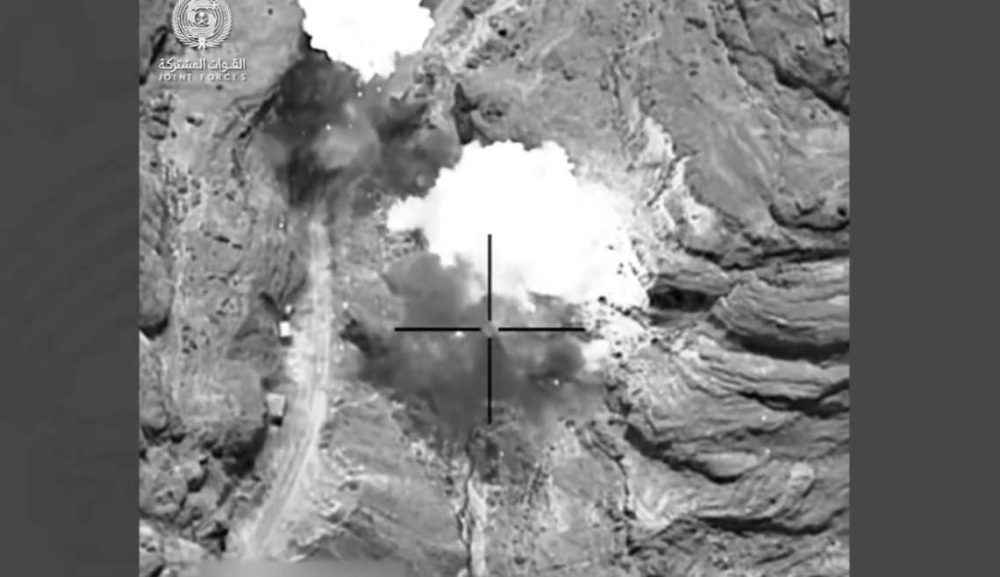
The United States responded by launching another round of airstrikes on Iranian targets, signalling that military operations would continue despite the latest casualties.
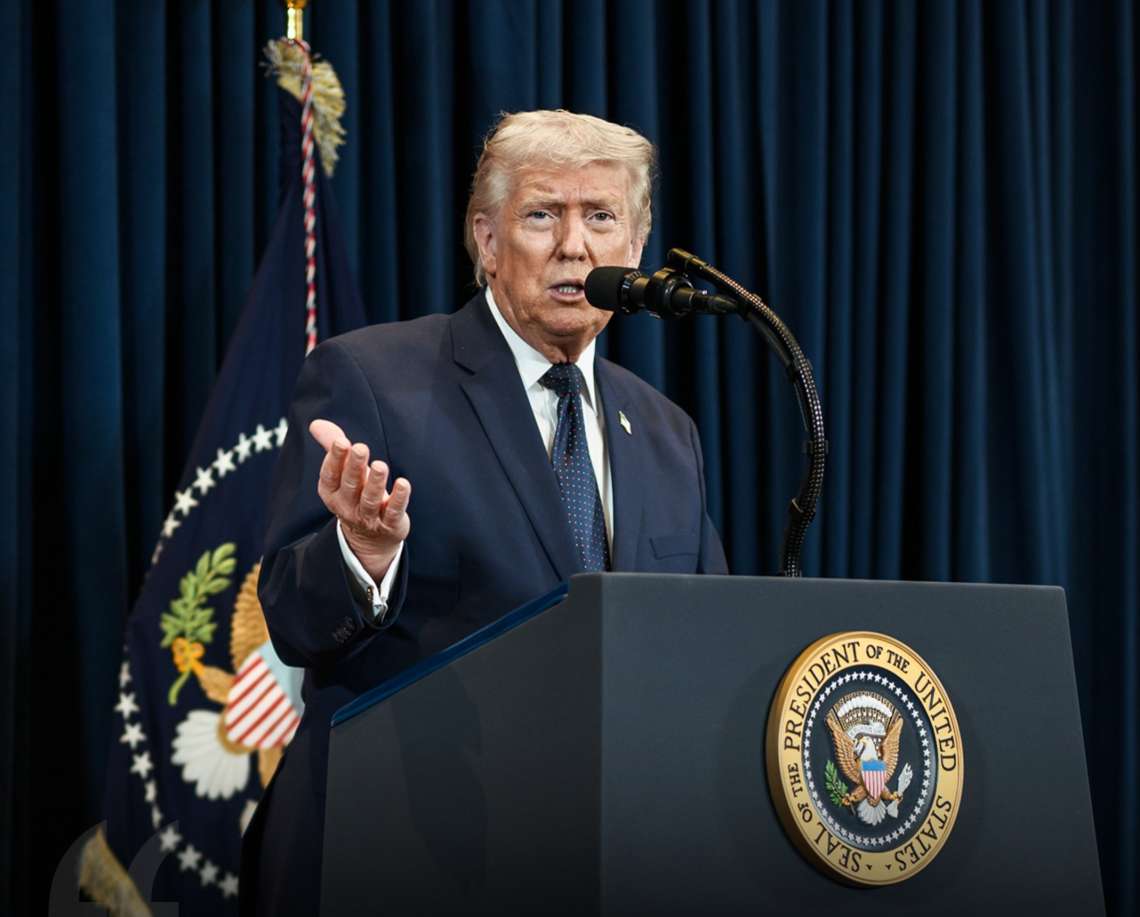
Energy Secretary Chris Wright said the deaths would not alter the administration’s objectives.
“Yes, this mission will go on until the mission is done,” Wright told ABC News’ “This Week”.
“It’s tragic to lose American lives, but this is a mission that will save countless lives going forward,” he said. “His focus is on degrading the Iranian ability to terrorize the world, to hold world commerce hostage, as they are doing right now, and to prevent Iran from getting nuclear weapons. That is unchanged.”
Wright said President Donald Trump continued to favour a diplomatic resolution but stressed that negotiations required cooperation from both sides.
“President Trump wants to end it with a peaceful agreement with Iran, but it takes two parties to do that,” he said, adding that US military operations would continue if Tehran remained unwilling to reach an agreement.
The administration’s approach drew criticism from Democratic Senator Mark Warner, vice-chairman of the Senate Intelligence Committee, who argued that the conflict had been initiated without sufficient planning.
“This is what happens when you start a war of choice,” Warner told CBS News’ “Face the Nation”. “You start a war of choice without a plan.”
Warner said the campaign had failed to achieve key strategic objectives, including neutralising Iran’s missile and drone capabilities and securing safe passage through the Strait of Hormuz.
He also questioned the cost-effectiveness of the military operation, noting the disparity between the cost of US interceptor missiles and Iranian drones.
“We’re using missiles that cost $2.5 million to shoot down Iranian drones that cost $50,000,” he said.
Wright rejected suggestions that shipping through the Strait of Hormuz had effectively ceased, saying energy exports from the Gulf region remained significant despite the conflict.
“We’re at a little under 14 million barrels a day from the Arabian Gulf region,” he said. “That’s two-thirds of pre-conflict traffic.”
He added that nearly seven million barrels of oil continued to pass through the Strait each day, with a similar volume transported via alternative pipeline routes.
Retired Admiral James Stavridis, the former NATO Supreme Allied Commander Europe, said the White House now faced three broad strategic options: scaling back military involvement, significantly expanding operations, or maintaining military pressure while pursuing diplomatic negotiations.
“Some have called this, and I think it’s accurate, escalate to de-escalate to force them back to the table,” Stavridis told CNN.
The latest developments come amid heightened tensions between Washington and Tehran, with both countries continuing to exchange military strikes while diplomatic efforts to end the conflict remain stalled.