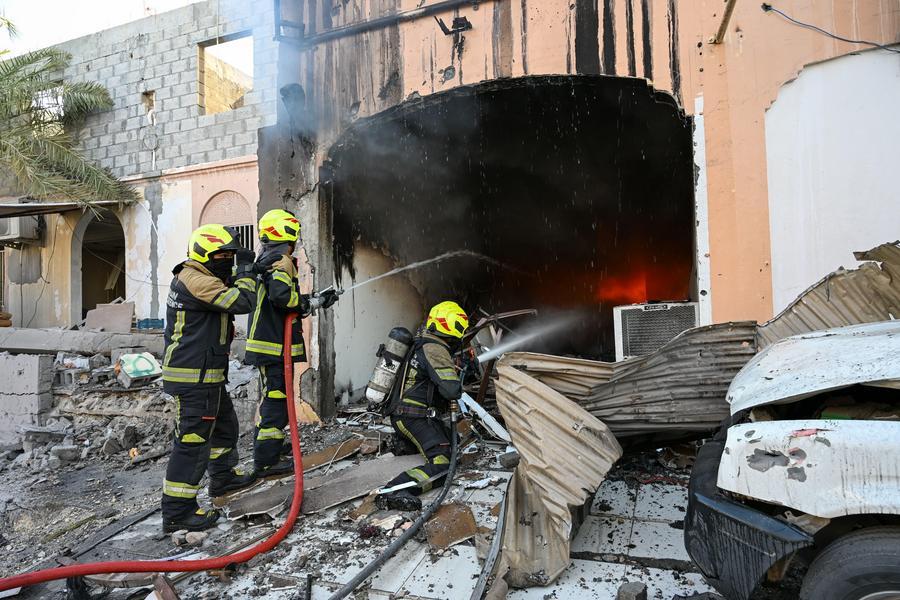
Fresh Iranian attacks were reported in Jordan, Kuwait and Bahrain as the latest exchange of strikes between the United States and Iran spilled across the Middle East….reports Asian Lite News Desk
Jordan, Kuwait and Bahrain reported fresh Iranian attacks on Sunday as the latest exchange of hostilities between the United States and Iran spread across neighbouring countries, prompting renewed calls for de-escalation across the Middle East.
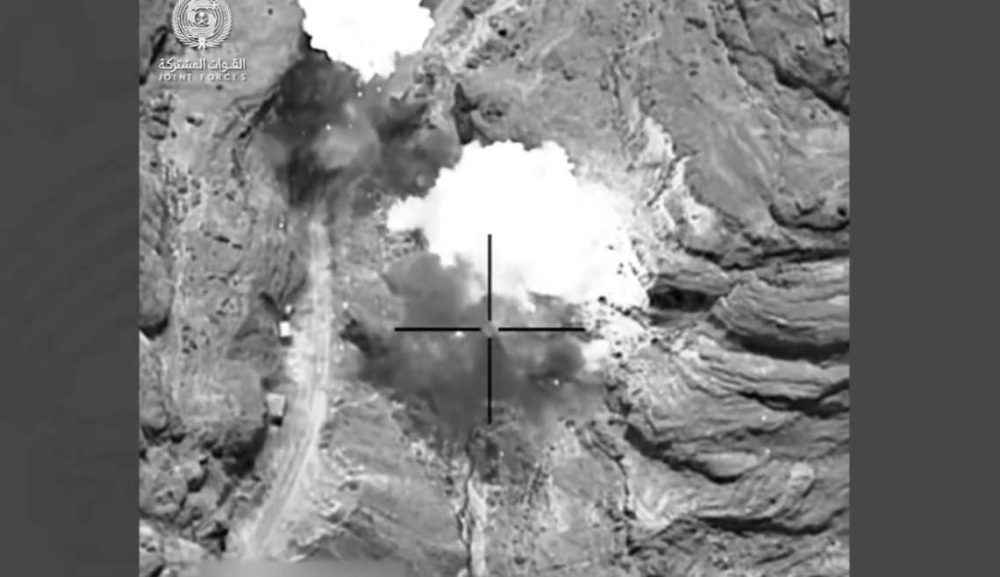
Jordan said its air defences intercepted three missiles launched from Iran towards its territory, while a fourth landed in a remote area in the country’s south without causing casualties or damage.
According to Jordan Radio and Television Corporation, the missiles were aimed at US military aircraft stationed in Aqaba, the southern Jordanian coastal city bordering the Israeli city of Eilat.
Following the incident, Israel’s Channel 13 News reported that the US military evacuated refuelling aircraft from Ramon Airport in southern Israel, around 18 kilometres north of Eilat, after missiles were launched towards Jordan. Israel’s state-run Kan TV News also reported delays to commercial passenger flights at the airport.
Earlier on Sunday, the US Embassy in Amman issued a security alert stating that Aqaba’s airport and seaport had been evacuated because of a “specific and credible threat” and advised American citizens to avoid the facilities until further notice.
Jordanian authorities later disputed the embassy’s statement, saying both the airport and seaport remained operational.
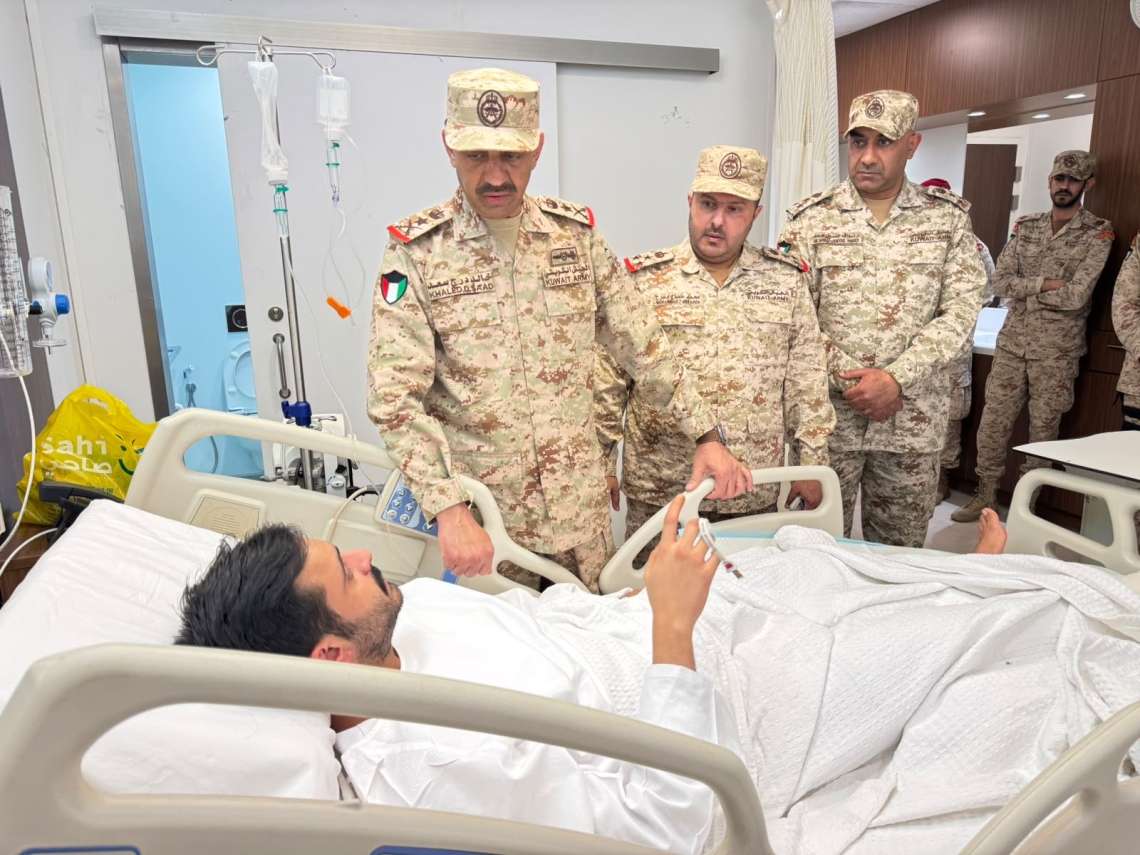
Kuwait also reported attacks, with the country’s Armed Forces saying air defence systems intercepted hostile ballistic missiles and drones over its territory. Another strike reportedly hit a power generation and water desalination facility, causing fires and extensive damage.
In a statement posted on X, the Kuwaiti Army said incoming missiles and drones had been detected and engaged since dawn but did not specify how many projectiles had been intercepted.
The military accused Iran of targeting civilian and critical infrastructure, stating that facilities operated by the Ministry of Electricity, Water and Renewable Energy had been struck.
Bahrain also reported Iranian aerial attacks, with authorities saying the country’s air defences intercepted several incoming projectiles.
The latest incidents heightened concerns over the widening regional impact of the conflict and prompted fresh diplomatic efforts to contain the violence.
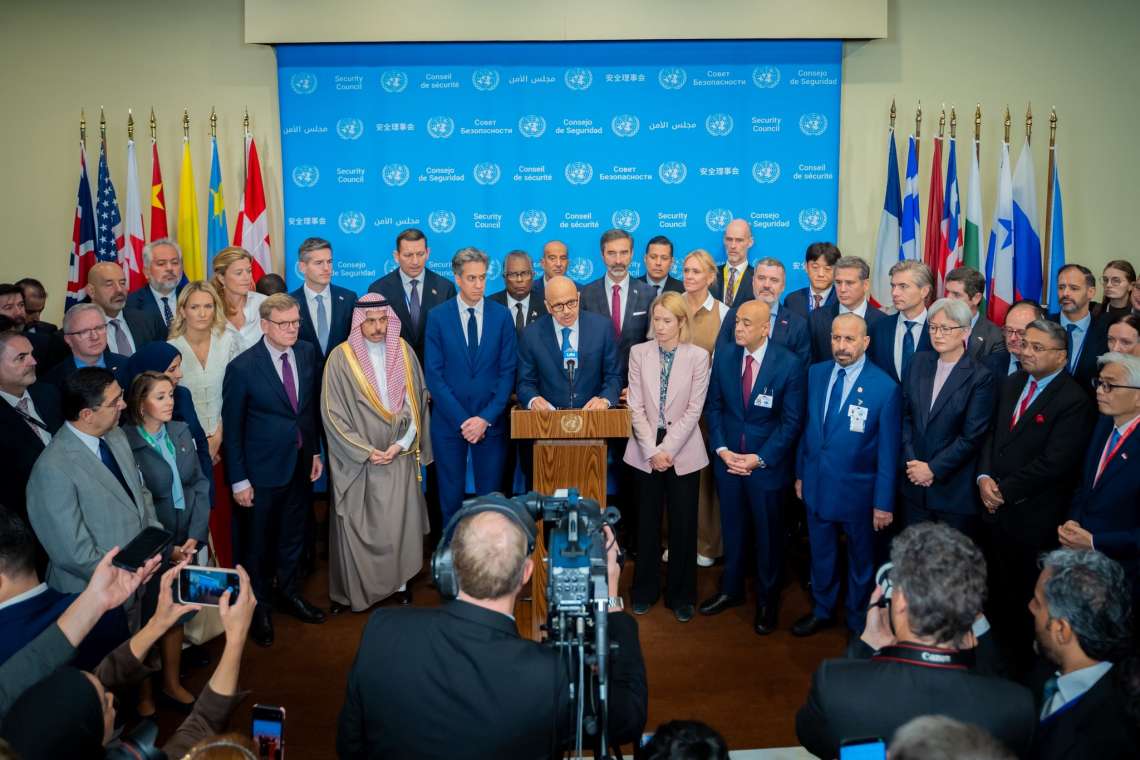
Arab League Secretary-General Nabil Fahmy warned of the serious consequences of continued escalation and urged both the United States and Iran to take immediate steps to reduce tensions.
In a statement, Fahmy said further military escalation would only increase losses on all sides and warned that the conflict risked spiralling out of control, with wider economic consequences for the region and beyond.
Jordan’s Deputy Prime Minister and Minister of Foreign Affairs and Expatriates Ayman Safadi held separate telephone discussions with his Turkish and Kuwaiti counterparts to discuss the deteriorating security situation and efforts to restore stability.
During his conversation with Turkish Foreign Minister Hakan Fidan, Safadi stressed the need to halt the escalation, implement the US-Iran ceasefire agreement and resume negotiations aimed at addressing the underlying causes of regional tensions, according to a statement from Jordan’s foreign ministry.
In a separate call with Kuwaiti Foreign Minister Sheikh Jarrah Jaber Al-Ahmad Al-Sabah, Safadi expressed Jordan’s solidarity with Kuwait and other Gulf Cooperation Council member states following the reported Iranian attacks.
Both ministers underscored the importance of dialogue and diplomacy to end the crisis, restore calm and achieve lasting regional security and stability.
The latest developments come amid heightened tensions between the United States and Iran, which have exchanged multiple rounds of military strikes in recent days. According to reports, the United States has carried out eight waves of strikes on Iranian targets, while Iran has responded by targeting US bases and facilities across several countries in the region.