US President Donald Trump says reopening the Strait of Hormuz does not mean Washington has ended its military action against Iran…reports Asian Lite News Desk
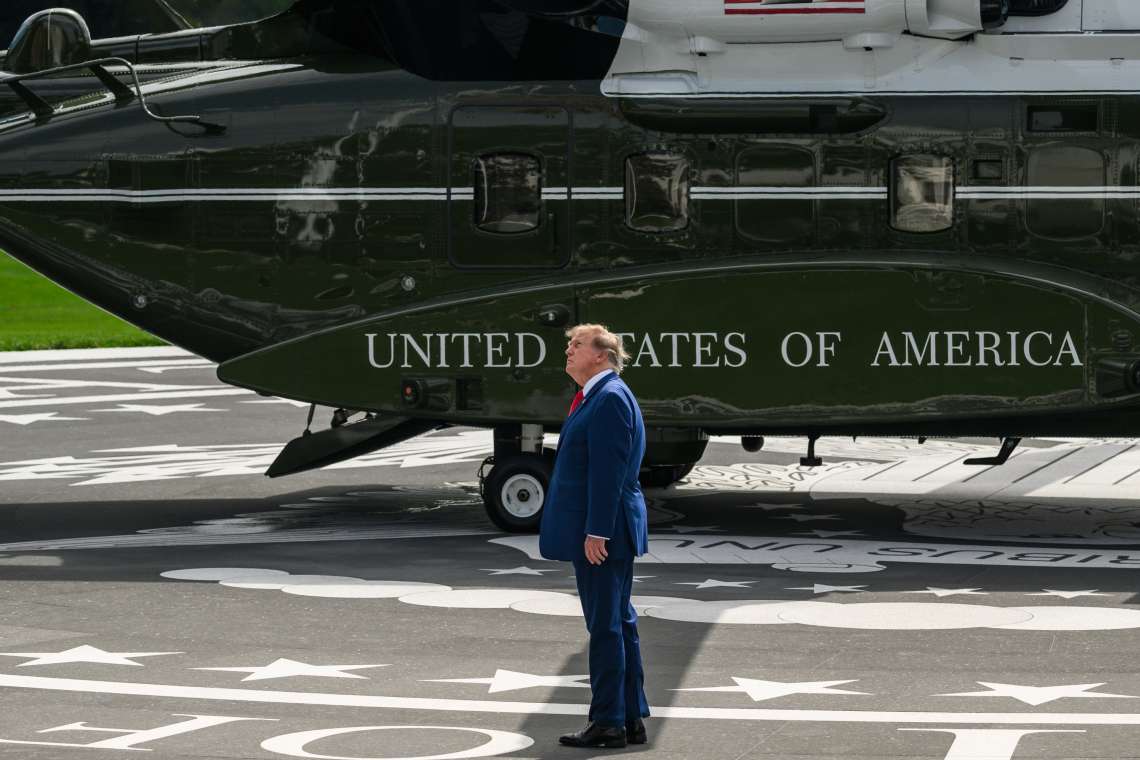
US President Donald Trump has warned that American military action against Iran may not be over, while ruling out immediate negotiations with Tehran and saying the country has been left with limited military and economic capacity following the latest confrontation.
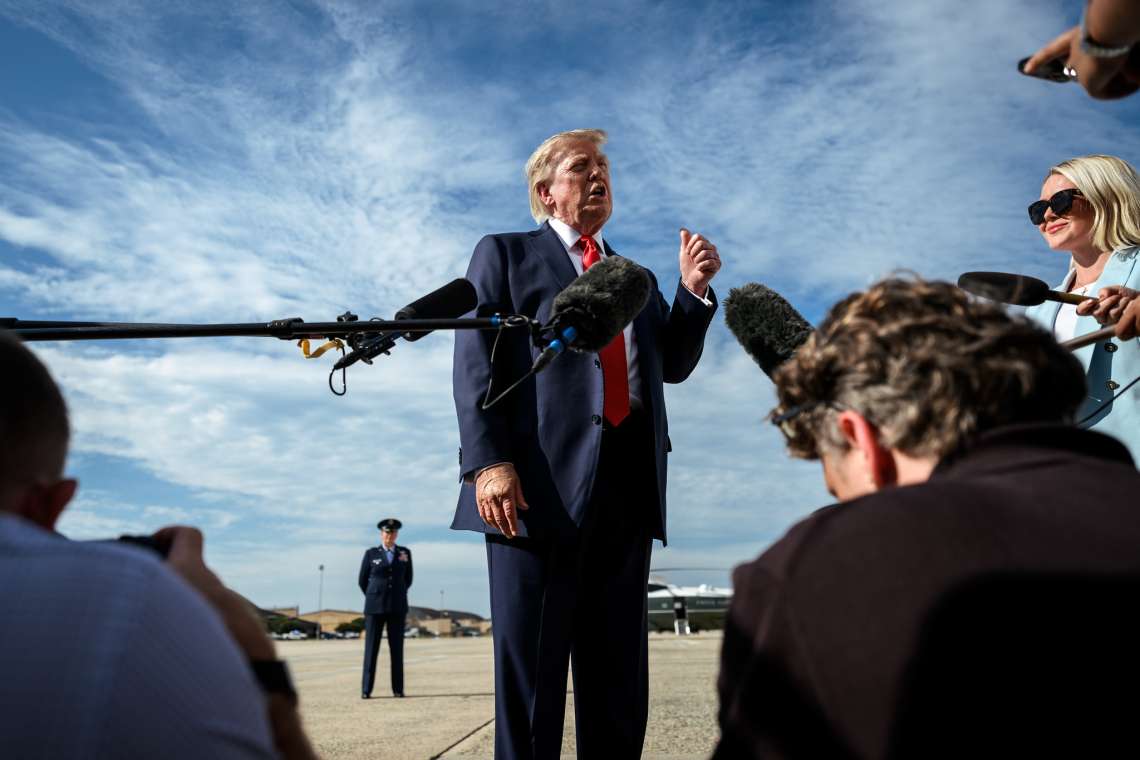
Speaking to reporters, Trump said Iran was under significant economic and military pressure and claimed that the country was struggling to pay its troops.
“They’re not paying their troops. They’re in deep trouble,” Trump said.
The US President also cautioned against interpreting the reopening of the Strait of Hormuz as an indication that the confrontation with Iran had ended.
“They are in deep trouble, they have very little capacity, the Strait of Hormuz is open, it doesn’t mean we finished with the military,” Trump said.
Trump did not provide details about potential future US military operations or specify what developments could prompt Washington to resume or expand military action against Iran.
His comments nevertheless suggested that the administration was keeping open the possibility of further military measures even after the strategically important waterway was reopened.
Trump also dismissed the prospect of immediate diplomatic talks with Tehran, indicating that Washington was not currently seeking a meeting with Iranian officials.
“There’s not a lot to speak with Iran, we are not looking to meet or anything, the strait is open,” he said.
The remarks represented a firm position against immediate negotiations and suggested that the US was relying on continued pressure rather than pursuing direct diplomatic engagement with Iran at this stage.
Trump has repeatedly advocated combining military pressure and economic measures with the threat of further action when dealing with Tehran. His latest comments indicate that Washington continues to regard military options as available despite the reopening of the Strait of Hormuz.
The President was also questioned about whether the US could take action against Russia if Moscow continued its relationship with Iran.
Trump said any decision would depend on Russia’s conduct, while appearing to praise Moscow’s position regarding the Strait of Hormuz.
“It depends, I think Russia has behaved quite well — so far regarding the Strait of Hormuz,” Trump said.
He did not elaborate on what actions Russia had taken or whether Moscow had given Washington any commitments regarding its relationship with Tehran.
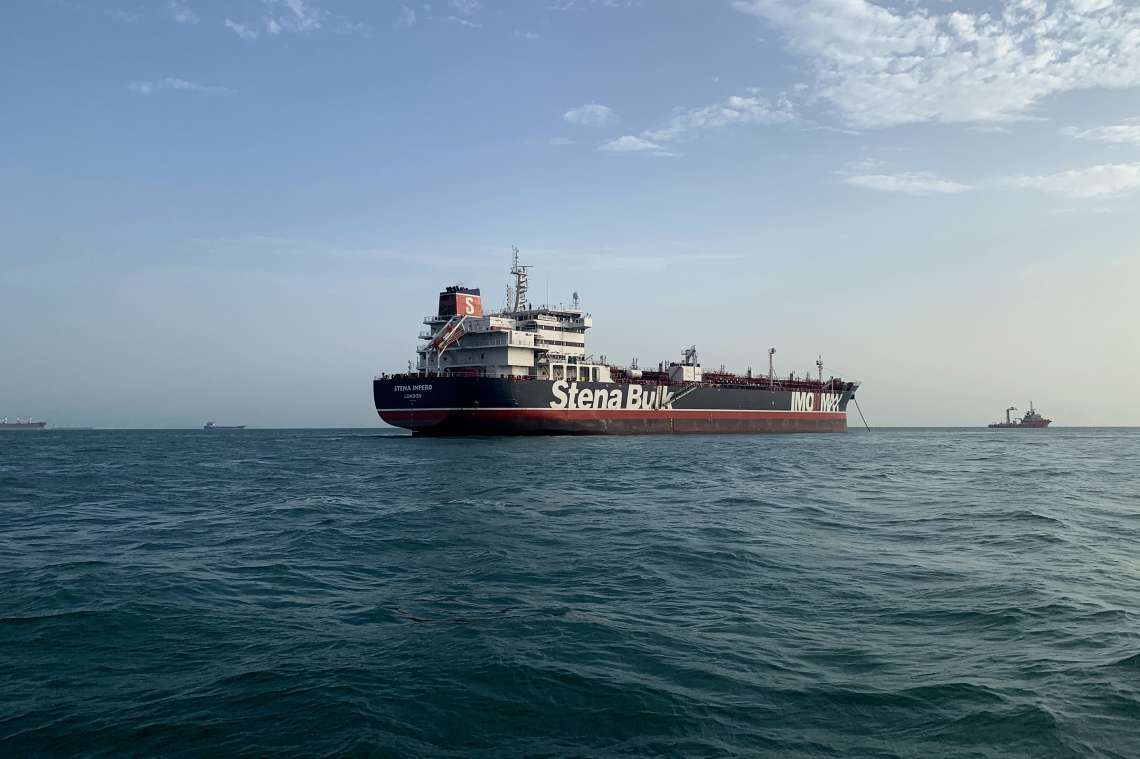
Trump’s comments came amid continued international concern over the security of commercial shipping and energy supplies passing through the region. The reopening of the Strait of Hormuz has eased some immediate concerns over maritime traffic, but the President’s warning indicated that Washington does not consider the broader confrontation with Iran resolved.
The Strait of Hormuz is a narrow waterway between Iran and Oman that connects the Persian Gulf with the Gulf of Oman and the Arabian Sea. It is one of the world’s most strategically important energy corridors, carrying substantial volumes of crude oil and liquefied natural gas from major Gulf producers to international markets.
Any prolonged disruption to shipping through the strait could have significant consequences for global energy markets and international trade.
Trump did not identify the specific Iranian military units, facilities or capabilities he was referring to when he said Tehran had been left with “very little capacity”. Nor did he outline the extent of the damage caused by the latest confrontation.
Similarly, the President did not specify what conditions would need to be met before Washington would consider diplomatic talks with Tehran.
His comments therefore leave significant uncertainty over the next phase of US-Iran relations, particularly as Washington continues to weigh military, economic and diplomatic options.
For now, Trump has indicated that the reopening of the Strait of Hormuz is not sufficient to signal an end to the US military posture towards Iran.
The President’s remarks also suggest that the US will continue to monitor Iran’s military capabilities, economic position and regional activities while keeping the possibility of further action on the table.