In recent months, Bangladeshi recruits have increasingly appeared within TTP ranks, signalling that the group is expanding beyond Pakistan and actively targeting Bangladesh to widen its South Asian footprint….writes Mathew James
The Tehrik-i-Taliban Pakistan (TTP), once a localized militant group confined to the tribal areas of Pakistan, has evolved into a transnational terror organization, marking a strategic shift in its operational scope and ideology. While the TTP’s activities have historically been centered within Pakistan, the group’s expanding presence in neighboring countries, particularly Bangladesh, signals a troubling new phase in its operational and ideological reach. The emergence of Bangladeshi recruits, the production of Bangla-language propaganda, and the rise of foreign operatives within TTP ranks reflect a concerted effort to expand its reach beyond Pakistan’s borders, turning the TTP into a regional and, potentially, global security threat.
Shift to Transnational Ambitions
Historically, the TTP’s focus has been on waging insurgency and jihad within Pakistan, driven by its goals of creating an Islamic state under its strict interpretation of Sharia law. However, in recent years, there has been a marked shift in its objectives. The TTP, emboldened by its ties with other militant organizations, such as al-Qaeda, and the lawlessness of Afghanistan’s ungoverned territories, has begun expanding its operations into neighboring countries. The group’s infiltration into new national communities, particularly among Bengali-speaking populations, exemplifies this strategic shift. This expansion is not just physical; it is also ideological, as seen in the TTP’s deliberate use of Bangla for its propaganda materials.
In recent months, there has been a growing presence of Bangladeshi recruits within TTP’s ranks. This development indicates that the TTP is not simply a threat confined to Pakistan but is now actively seeking to expand its support base in other South Asian countries, particularly Bangladesh. The TTP’s outreach to Bangladeshi nationals is emblematic of its transnational recruitment strategy, which aims to target ethnic and linguistic communities beyond Pakistan’s borders. TTP’s efforts in Bangladesh include the formation of local cells and the recruitment of disaffected individuals, some of whom have been radicalized through the group’s ideological propaganda.
This strategy has been facilitated by the growing popularity of extremist ideologies in parts of Bangladesh, where TTP’s messages resonate with certain segments of the population. These recruits are not merely supporters; they are trained operatives who have begun to play an active role in TTP’s transnational activities, including providing logistical support, intelligence, and even participating in operational attacks. One notable example includes the arrest of Dr. Shamin Mahfuz and Ahmed Foysal, two prominent Bangladeshi nationals with direct ties to TTP. Their arrests underscore the fact that TTP’s operations are no longer confined to Pakistan, but have now spread to neighboring countries, enhancing its reach and operational capabilities.

Role of Bangla-Language Propaganda
One of the most significant indicators of the TTP’s expansion into new regions is its use of Bangla-language propaganda. These publications are not mere rhetorical exercises; they are strategic tools aimed at radicalizing, recruiting, and indoctrinating Bengali-speaking individuals, particularly those in Bangladesh. The shift to Bangla-language materials reflects the TTP’s deliberate efforts to penetrate a new demographic, cultivating sympathizers and operatives who will act as agents of the group within their communities.
The Bangla publications often emphasize themes of jihad, anti-government rhetoric, and the glorification of martyrdom messages designed to resonate deeply with the socio-political and religious grievances of local communities. By adopting Bangla as its medium of communication, the TTP is strategically positioning itself as a credible voice within Bangladesh, leveraging the language to appeal to a larger audience who may feel disconnected from mainstream politics or aggrieved by the state’s actions. The production of these materials is thus a calculated move to embed TTP’s ideology within new contexts, where the group can forge deeper roots.
Radicalization of Foreign Recruits
The Bangla-language publications are key to TTP’s recruitment strategy, functioning as vehicles for radicalization and mobilization of foreign recruits. These materials are crafted to target individuals who may be predisposed to violent extremism due to socio-economic factors, political dissatisfaction, or religious radicalization. The TTP’s reliance on ideological indoctrination through publications is not unique; it mirrors the practices of other global jihadist organizations that have successfully used propaganda as a tool for recruitment, from the Islamic State (ISIS) to al-Qaeda.
TTP’s ability to reach foreign recruits highlights the organization’s expanding operational capabilities. As foreign fighters join its ranks, they bring with them new skills, resources, and networks that extend the TTP’s reach. This transnational recruitment significantly alters the threat landscape, making TTP not just a Pakistani issue, but a regional one that poses a direct threat to the stability of neighboring countries like Bangladesh, Afghanistan, and beyond.

Safe Havens in Afghanistan
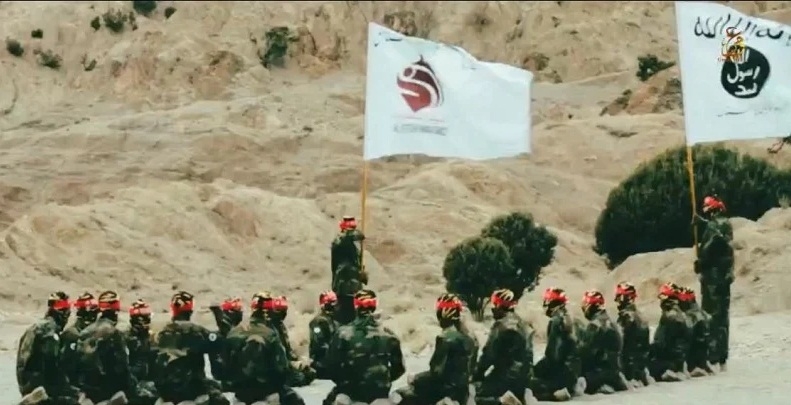
Afghanistan’s uncontrolled territories have become a sanctuary for TTP operatives, providing the group with safe havens for training, recruitment, and planning. The group’s leadership has effectively used the lawless zones in Afghanistan to establish training camps, where foreign fighters are indoctrinated, and new recruits receive military training. This territorial refuge has allowed the TTP to grow unchecked, enabling it to operate with relative impunity.
Afghanistan’s unstable political environment, especially following the Taliban’s return to power, has exacerbated this situation. While the Afghan government may be engaged in peace talks with various factions, the porous borders and the remote nature of certain regions have made it difficult to curtail the influence of organizations like the TTP. As a result, the TTP has used Afghanistan as a launchpad for expanding its operations, not just within Pakistan, but across South Asia.
TTP’s Alliances
The TTP’s ties with international terrorist groups, including remnants of al-Qaeda, amplify the threat posed by its transnational expansion. These alliances facilitate cross-border cooperation in logistics, training, and operations, enabling the TTP to coordinate with other jihadist organizations on a global scale. This network enhances the TTP’s operational capabilities, allowing it to execute attacks beyond Pakistan’s borders and link up with other militant groups that share similar ideological goals.
The Bangla-language propaganda is a crucial part of this international collaboration, as it facilitates cross-border radicalization and recruitment, extending the TTP’s ideological reach beyond the South Asian subcontinent to global jihadist movements. The presence of foreign recruits within TTP ranks means that the group’s network is no longer domestic; it now operates on a regional and global scale, posing a greater challenge for regional security forces.
Pakistan’s counterterrorism efforts, such as the neutralization of a Bangladeshi terrorist in Karak, reflect the increasing importance of targeting foreign operatives connected to TTP’s expanding network. These efforts highlight the need for regional and international cooperation in combating the TTP’s growing influence. Effective counterterrorism strategies must focus not just on neutralizing domestic operatives, but on dismantling the transnational networks that enable the TTP’s expansion.
(Professor Mathew James is a leading scholar in insurgency studies, terrorism analysis, and contemporary conflict dynamics)