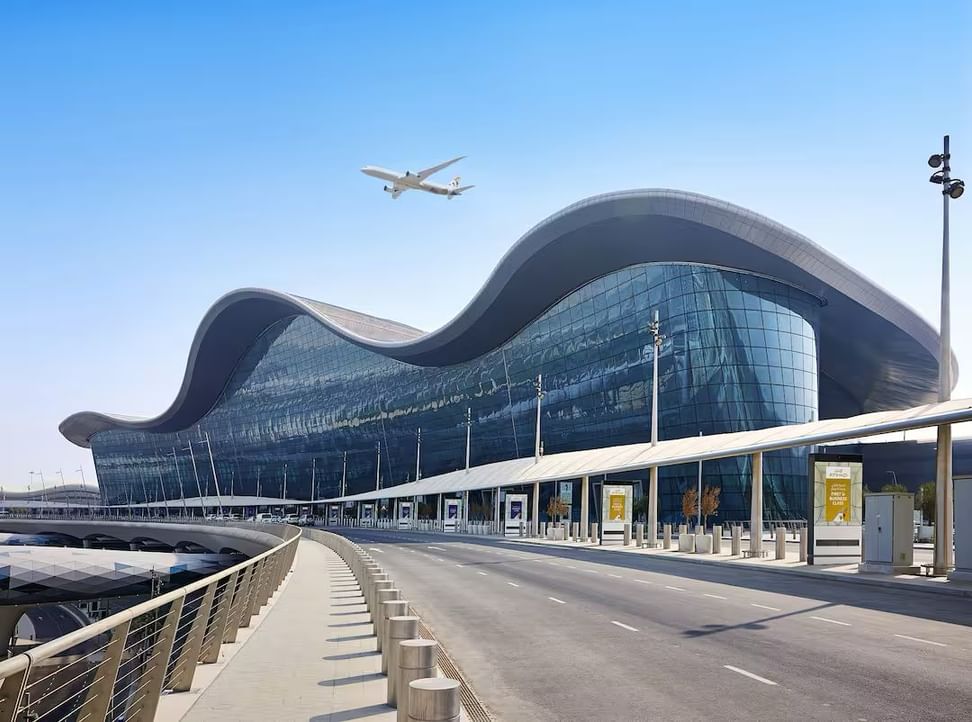
Record passenger numbers, rising cargo volumes and expanded global connectivity power the UAE’s aviation surge, cementing its role as a leading tourism and logistics hub in 2025….reports Asian Lite News
The United Arab Emirates has reinforced its status as a global aviation and tourism powerhouse in 2025, posting record-breaking passenger numbers, expanding international connectivity and deepening its role as a strategic logistics hub.
Across the country, airports reported their strongest annual performances to date, underlining the UAE’s position at the crossroads of global travel and trade. The sustained growth reflects a combination of infrastructure investment, airline expansion and rising international demand.
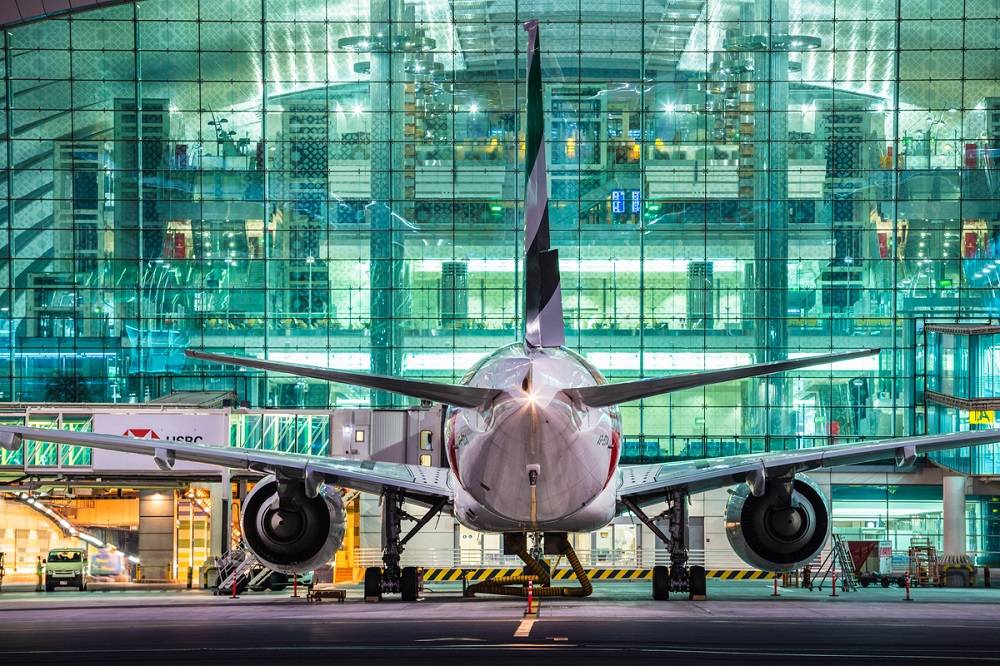
At the forefront of this surge is Dubai International Airport, which handled a record 95.2 million passengers in 2025. The figure represents a 3.1 per cent year-on-year increase and marks the busiest year in the airport’s history. It also stands as the highest annual international passenger traffic ever recorded by any airport worldwide.
Flight movements at the Dubai hub rose by 3.3 per cent to 454,800, while baggage volumes reached an unprecedented 86.75 million. The airport is now connected to 291 destinations across 110 countries, served by 108 international airlines, cementing its role as one of the most connected aviation gateways on the planet.
In the capital, Zayed International Airport contributed to a milestone year for Abu Dhabi Airports, which recorded more than 33 million passengers in 2025 — the highest annual traffic in its history. Zayed International alone handled 8.59 million passengers in the fourth quarter, reflecting a 13.8 per cent rise compared with the same period in 2024.
Cargo activity also accelerated. Across Abu Dhabi’s five airports, freight volumes climbed to nearly 770,000 tonnes, highlighting the emirate’s expanding footprint in global logistics and supply chain networks. The performance underscores the UAE’s broader ambition to remain a vital trade and transport corridor linking East and West.
Growth extended beyond the country’s two largest hubs. Sharjah Airport reported a 13.9 per cent increase in passenger traffic, reaching 19.48 million travellers in 2025 compared with 17.1 million the previous year. Flight movements rose to 116,657 as the airport broadened its regional and international reach.
Meanwhile, Ras Al Khaimah International Airport crossed a symbolic threshold, surpassing one million passengers for the first time in its history. The airport handled 1.3 million travellers in 2025 and expanded its scheduled network to 16 international destinations, including key markets such as India, Pakistan, Saudi Arabia, Russia and Egypt.
Airline expansion has been central to this upward trajectory. Emirates now operates to 152 destinations across 79 countries and territories. flydubai serves more than 135 destinations in 58 countries with a fleet of 97 aircraft, while Etihad Airways connects 91 destinations in over 50 countries. Air Arabia added 30 new routes in 2025, bringing its network to 219 destinations across its operational hubs in the UAE, Morocco, Egypt and Pakistan.
Beyond passenger growth, airports nationwide continued investing heavily in infrastructure and technology. Dubai International achieved a mishandled baggage performance rate of 99.75 per cent, reflecting improved operational precision. Across the UAE, airports expanded the use of artificial intelligence, self-service systems and digital payment platforms to streamline passenger journeys and enhance efficiency.
International recognition followed. Throughout the year, UAE airports collected multiple global awards for safety, operational excellence, sustainability and customer experience, reinforcing their reputation for meeting — and often exceeding — international aviation standards.