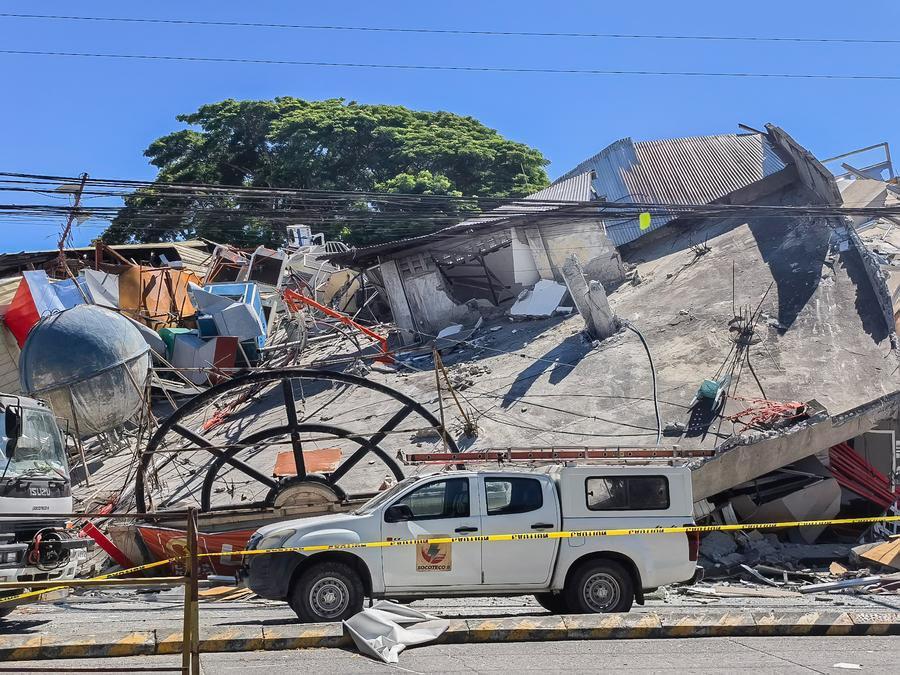
UAE launches urgent humanitarian aid response after devastating 7.8-magnitude earthquake in southern Philippines leaves dozens dead, hundreds injured and widespread destruction across Mindanao region, reports Asian Lite News Desk
The United Arab Emirates has launched an urgent humanitarian response following a powerful earthquake that struck the southern Philippines, as the scale of devastation and human loss continues to mount.
The UAE, acting through the UAE Aid Agency, moved swiftly to provide relief assistance to communities affected by the 7.8-magnitude earthquake that hit off the coast of Mindanao. The disaster has caused widespread destruction, with official figures from the National Disaster Risk Reduction and Management Council (NDRRMC) confirming at least 47 deaths, 688 injuries and dozens still missing in the aftermath.
Dr Tareq Ahmed Al Ameri, Chairman of the UAE Aid Agency, said the rapid mobilisation reflects the country’s commitment to international humanitarian responsibilities. He noted that the UAE aims to ease the suffering of affected populations while supporting early recovery and stabilisation efforts in coordination with international organisations and local authorities in the Philippines.
The UAE’s assistance has been guided by a comprehensive needs assessment carried out in collaboration with Philippine authorities, ensuring that aid delivery is targeted and aligned with the most urgent requirements on the ground. Officials stressed that priority is being given to essential supplies and immediate relief, in line with humanitarian assessments issued by relevant United Nations agencies.
Separately, the Ministry of Foreign Affairs expressed solidarity with the Philippines, extending condolences to the victims and their families, and wishing a swift recovery to those injured. His Highness Mohamed bin Zayed Al Nahyan, President of the UAE, also sent a formal message of sympathy to Ferdinand Marcos Jr., conveying condolences over the loss of life and reaffirming support for the Filipino people during the crisis.
The earthquake, described as tectonic in origin by the Philippine Institute of Volcanology and Seismology, struck at a depth of 33 kilometres, with its epicentre located approximately 32 kilometres southwest of Maasim in Sarangani province on Mindanao Island. The tremor hit at 7:37 a.m. local time, catching many residents off guard as daily routines resumed, including the reopening of schools after the summer break.
The scale of the disaster has been extensive. According to the NDRRMC, more than 75,000 households—or over 346,000 people—have been affected. At least 45,000 residents have been displaced, while more than 12,600 homes have sustained varying degrees of damage. The earthquake also triggered at least 45 secondary incidents, primarily landslides, compounding the humanitarian crisis.
Critical infrastructure has not been spared. Authorities reported disruptions across 45 road sections and eight bridges, along with damage to an airport and two seaports. Power outages were recorded across 48 cities and municipalities, further hampering rescue and recovery operations. The quake also impacted key economic sectors, including agriculture, livestock and fisheries, raising concerns over longer-term livelihood losses.
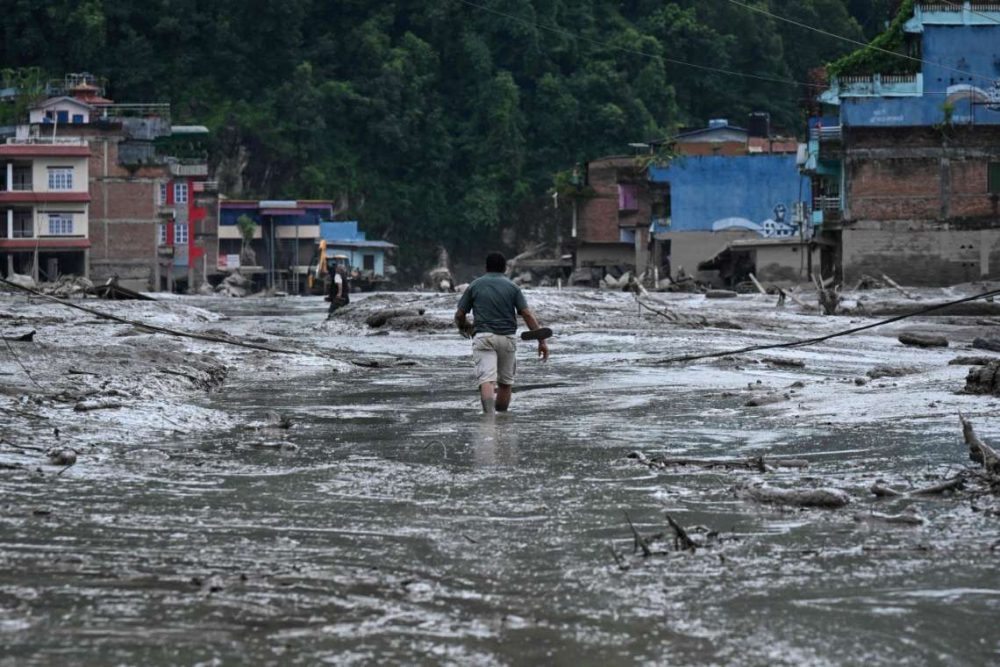
In urban centres such as General Santos City, structural damage has been particularly severe. A two-storey school building collapsed, trapping students inside, while several commercial establishments suffered damage ranging from shattered windows to partial structural failure. Eyewitness footage circulating online showed buildings swaying violently, with residents rushing into open areas for safety.
Casualties have been attributed to falling debris, collapsing structures and landslides. Local authorities have been working around the clock to locate missing persons and assist those injured, while emergency services continue to assess the full extent of the damage.
The impact on the education sector has also been significant. The Department of Education reported that more than 8,600 schools across multiple regions have been affected, disrupting learning for thousands of students just as the academic year was resuming.
The Philippines, located along the seismically active Pacific Ring of Fire, experiences frequent earthquakes, though tremors of this magnitude are relatively rare and often result in widespread damage.