The choice of the UAE as host reflects its growing role as a diplomatic bridge between rival powers. Abu Dhabi has positioned itself as a neutral facilitator, maintaining open channels with Moscow, Kyiv and Washington while repeatedly calling for de-escalation and dialogue….reports Asian Lite News
For the first time since Russia launched its full-scale invasion of Ukraine nearly four years ago, negotiators from Moscow, Kyiv and Washington are preparing to sit at the same table, raising cautious hopes that diplomacy may yet reclaim a role in Europe’s most devastating conflict in decades.
Officials from all three countries are due to meet in the United Arab Emirates on Friday, in what is being described as a rare and delicate diplomatic moment after years of stalled dialogue, broken ceasefires and deepening mistrust. The talks, confirmed by the Kremlin late Thursday, come amid renewed international pressure to explore off-ramps from a war that has reshaped global security, energy markets and geopolitical alliances.
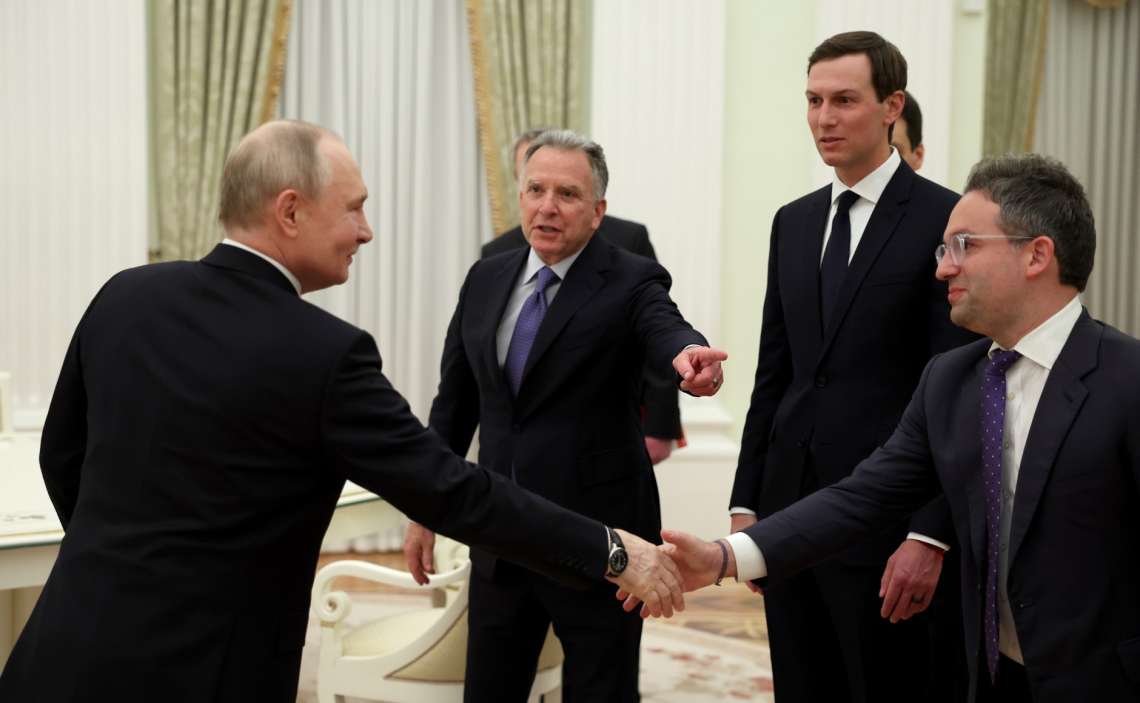
The announcement followed a closed-door meeting in Moscow between Russian President Vladimir Putin and senior US envoys, including Steve Witkoff and Jared Kushner, the son-in-law of former US president Donald Trump. Two other Russian aides were also present. According to Kremlin officials, the discussions were “substantive, constructive and very frank”, though Moscow was quick to temper expectations of a breakthrough.
Kremlin aide Yuri Ushakov said the talks were “useful in every respect” but made clear that Russia’s position on territory remains unchanged. He insisted that no durable peace deal would be possible until the issue of territorial control is resolved, referring to a formula discussed at a previous Trump–Putin summit in Alaska last year.
“Until this is achieved, Russia will continue to consistently pursue the objectives of the special military operation,” Ushakov said, while adding that President Putin remains “sincerely interested” in a diplomatic solution.

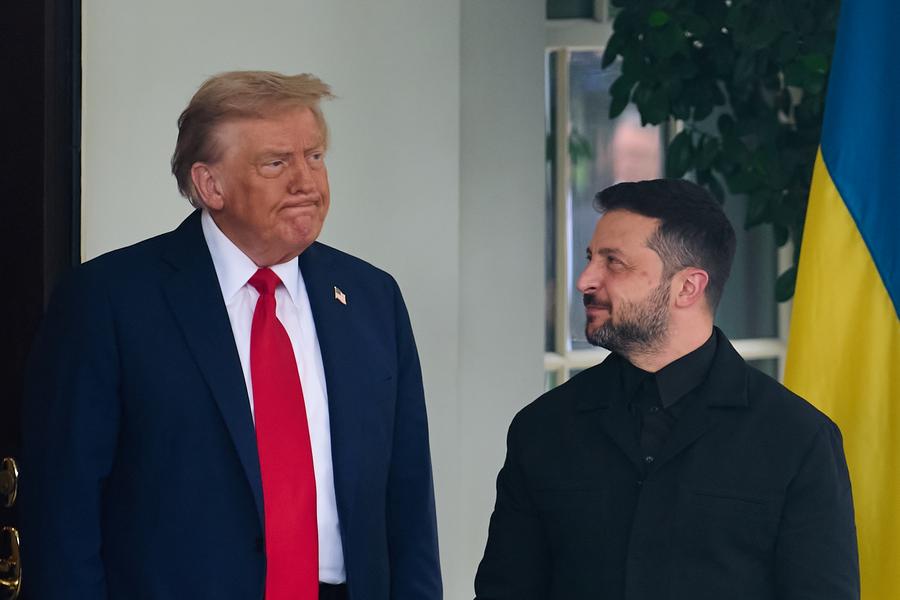
From the Ukrainian side, President Volodymyr Zelenskyy confirmed that his negotiating team was already en route to the UAE, describing the coming hours as critical but uncertain. “We will see how this proceeds and then determine our next steps,” he wrote on social media late on Thursday evening.
Speaking earlier at the World Economic Forum in Davos, Zelenskyy struck a sharper tone, criticising European allies for what he described as a lack of “political will” in confronting Russia and maintaining pressure on Moscow. His comments reflected frustration in Kyiv that Western unity, once unshakeable, has shown signs of fatigue as the war drags on.
Yet the composition of Ukraine’s delegation underlines how seriously Kyiv is taking the talks. Among those involved are Rustem Umerov, head of Ukraine’s national security and defence council, and Kyrylo Budanov, the head of military intelligence. David Arakhamia, a veteran negotiator, is also part of the team, while the country’s chief of general staff, Andrii Hnatov, is expected to join them in Abu Dhabi.
On the Russian side, the delegation will be led by General Igor Kostyukov, director of Russia’s GRU military intelligence agency, signalling that security issues will dominate the agenda. Kirill Dmitriev, Moscow’s investment envoy, is scheduled to meet Witkoff separately to discuss economic matters, hinting at parallel discussions on sanctions, reconstruction and post-war engagement.
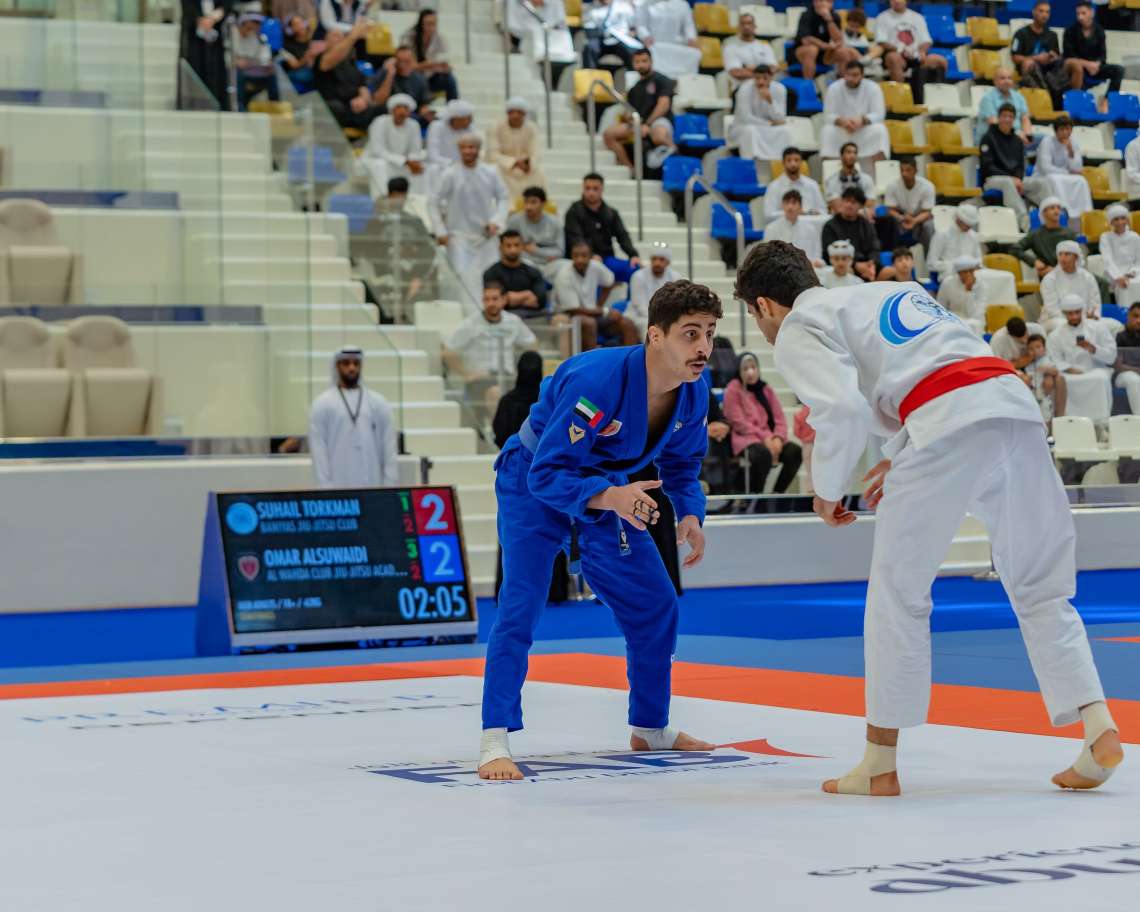
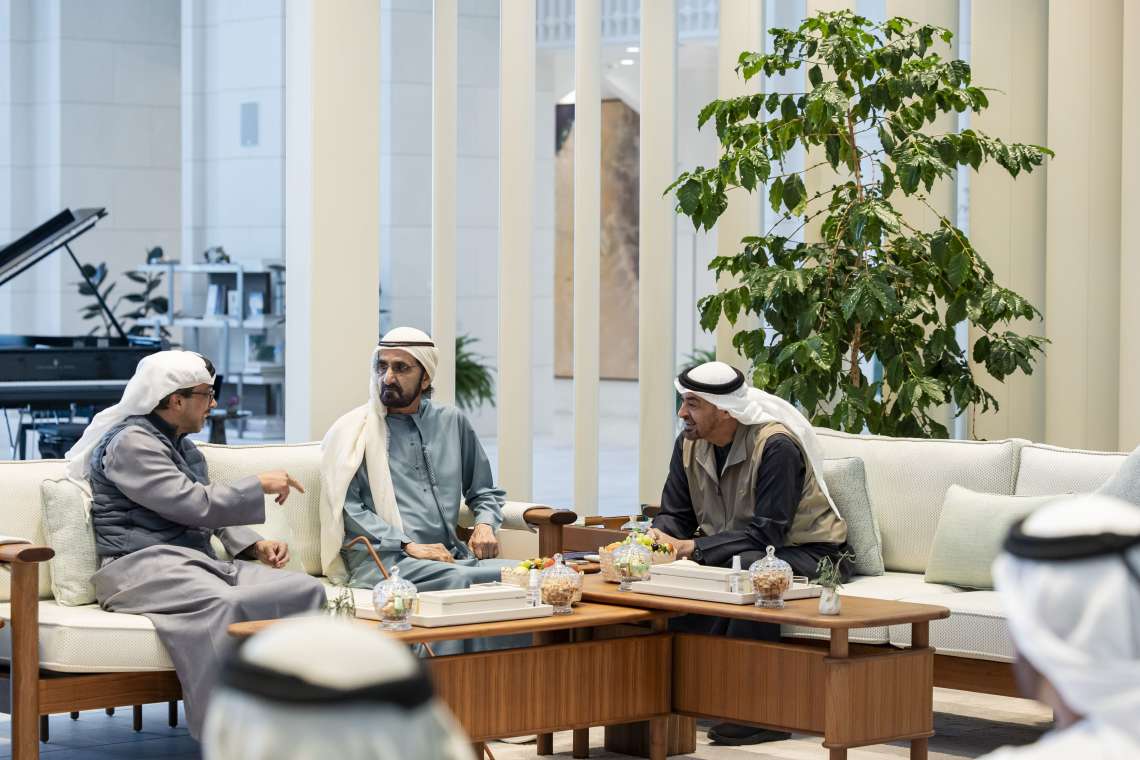
The choice of the UAE as host reflects its growing role as a diplomatic bridge between rival powers. Abu Dhabi has positioned itself as a neutral facilitator, maintaining open channels with Moscow, Kyiv and Washington while repeatedly calling for de-escalation and dialogue. Earlier this month, the UAE’s foreign ministry reiterated its commitment to diplomacy after shelling in Kyiv damaged the Qatari embassy, underscoring the vulnerability of diplomatic missions in the conflict.
While expectations remain low, the symbolism of all three sides attending the same talks is significant. Since the collapse of early negotiations in 2022, communication has largely been indirect, mediated by third parties or conducted through public statements rather than formal channels.