Britain is facing a steep rise in glaucoma, with new projections warning that at least 1.6 million people could be living with the condition by 2060, driven by an ageing and more diverse population..reports Asian Lite News
New research suggests that the number of people in the UK living with glaucoma will climb sharply over the coming decades, reaching at least 1.6 million by 2060 and making the condition an even bigger public health challenge than previously thought. The estimate, published in the British Journal of Ophthalmology, is significantly higher than earlier figures and points to a growing burden on the NHS as the population ages and becomes more ethnically diverse.
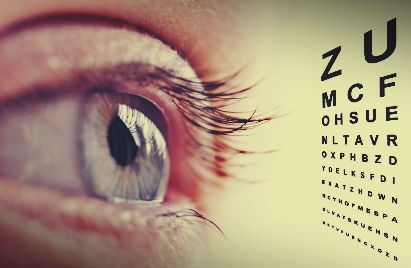
Glaucoma is already the leading cause of irreversible blindness worldwide and one of the most common causes of serious sight loss in the UK. It damages the optic nerve, which carries visual information from the eye to the brain, and typically develops slowly over many years. Because it rarely causes symptoms in its early stages, many people are unaware they have the condition until permanent damage has occurred.
Until recently, it was widely believed that about 700,000 people in the UK had glaucoma. More recent estimates suggested around 1.1 million were affected. The new analysis, carried out by researchers at University College London and Moorfields Eye Hospital, puts the current figure at more than one million, equivalent to about 3 per cent of the population aged over 40. That proportion rises to an estimated 4 per cent among people of African descent and to 11 per cent in those aged over 85.
Using population projections from the Office for National Statistics, the researchers estimate that the total number of people with glaucoma will increase by around 60 per cent over the next 35 years, reaching about 1.6 million by 2060. The growth is largely attributed to the UK’s ageing population, since the risk of glaucoma rises sharply after the age of 50, and to demographic changes that will see a higher proportion of people from groups known to be at greater risk.
The study’s authors warn that this “demographic timebomb” will require early planning and sustained investment if the health system is to cope. They argue that ophthalmology services, already under pressure in many parts of the country, will need to expand both their specialist workforce and their diagnostic capacity to meet the expected rise in demand.
Prof Paul Foster, the study’s lead author and a consultant ophthalmic surgeon at Moorfields, said glaucoma remained a common cause of blindness largely because of late diagnosis. He noted that the disease is often not detected until it has reached an advanced stage, when vision loss is harder to prevent. Previous studies have suggested that around half of all glaucoma cases in the UK are undiagnosed, with even higher rates in some ethnic minority communities.
Late diagnosis, he said, is associated with a higher risk of permanent sight loss and with higher long-term costs of care. More than 40 per cent of people with glaucoma in the UK experience vision loss that could have been prevented with earlier detection and treatment, such as prescription eye drops or surgery. The new figures therefore highlight both the scale of the problem and the potential benefits of finding cases sooner.
The researchers say that better awareness and more routine eye testing will be key to reducing avoidable blindness. For people in midlife and beyond, annual eye checks can pick up subtle changes before symptoms appear. They also call for targeted awareness campaigns aimed at groups that are more likely to present late or have difficulty accessing eye care, including some minority ethnic communities and people in more deprived areas.
Glaucoma UK, the charity that commissioned the research, said the findings should serve as a wake-up call for policymakers and health planners. Joanne Creighton, the organisation’s chief executive, said many of the roughly one million adults currently estimated to have glaucoma do not yet know they are affected and may be losing sight that they will never be able to recover. The projected increase to around 1.61 million cases by 2060, she said, underlined the need for serious planning to diagnose, treat and support future patients.