UN rights experts warn of mounting civilian deaths, Rohingya persecution and cross-border threats as Myanmar’s crisis deepens….reports Asian Lite News Desk
The human rights crisis in Myanmar is deepening, with thousands of civilians killed, widespread displacement, forced conscription and a growing threat of regional instability, the UN’s top human rights official has warned.
Addressing the UN Human Rights Council, the official said the crisis was having devastating consequences not only within Myanmar but across the wider region, as millions of people have been forced from their homes and hundreds have died attempting dangerous sea crossings.
The official said credible sources had verified the deaths of more than 1,200 civilians during the reporting period, while open-source information suggested the actual death toll could exceed 3,000.
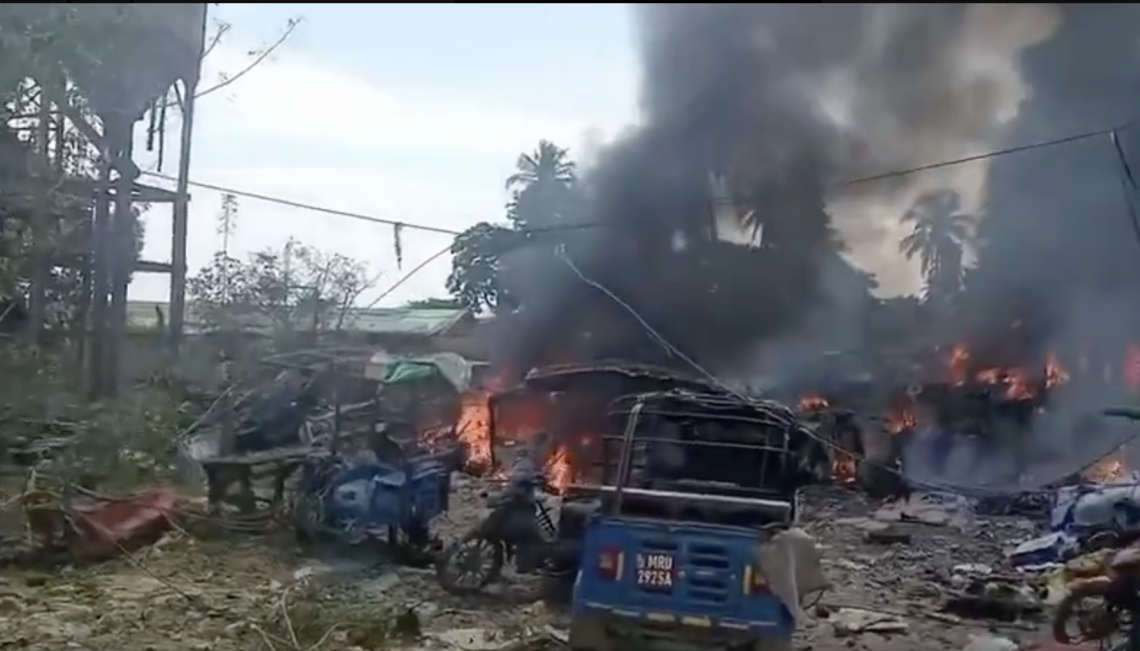
Airstrikes remained the leading cause of civilian deaths, highlighting what the official described as the Myanmar military’s continued disregard for calls to halt hostilities and protect civilians.
Forced conscription has also emerged as a major tactic used by the military to sustain its battlefield operations, control communities and spread fear, the official said.
The military’s restrictions on and alleged manipulation of humanitarian aid have further worsened conditions, particularly in areas inhabited by ethnic minorities.
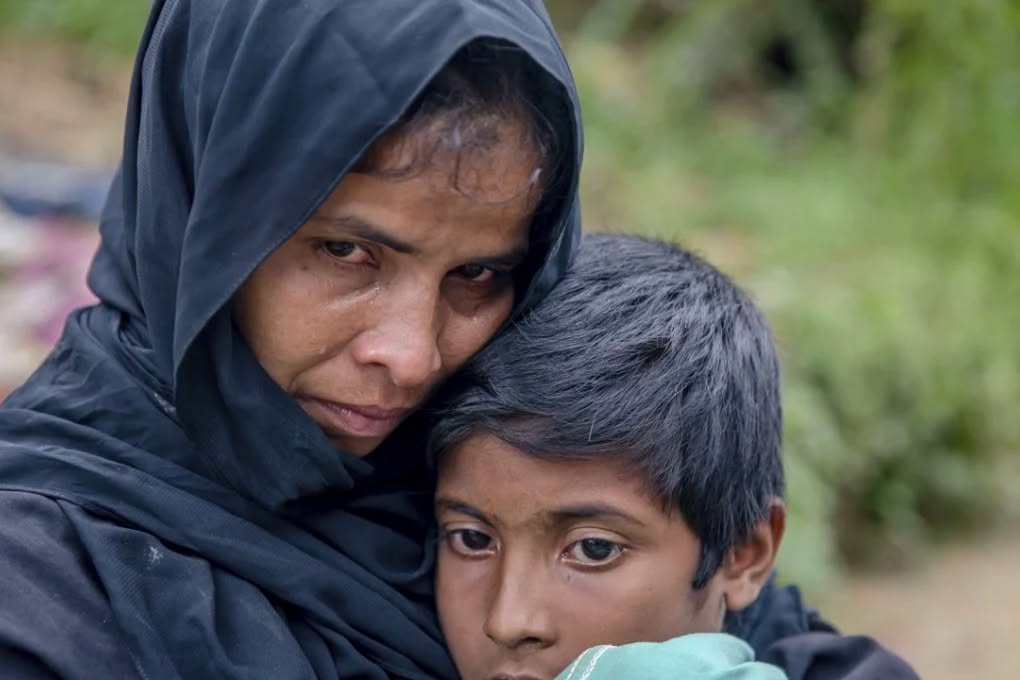
The situation facing the Rohingya remains among the most serious concerns, with the crisis affecting Myanmar as well as neighbouring countries, particularly Bangladesh.
Rohingya people in Rakhine State continue to face widespread and systematic human rights violations, including arbitrary arrests, torture, sexual and gender-based violence, enforced disappearances, forced labour and recruitment, the official said.

Both the Myanmar military and the Arakan Army were accused of committing abuses against the Rohingya population.
Concerns were also raised over reports of land seizures by the Arakan Army in Rohingya-majority areas, which could further complicate prospects for the safe return of displaced communities.
The official stressed that the international community had a responsibility to ensure that the decades-long suffering of the Rohingya comes to an end.
Beyond the humanitarian crisis, Myanmar’s collapse in the rule of law has allowed illegal businesses and organised criminal networks to flourish, fuelling both conflict and instability across the region.
Myanmar remains the world’s leading producer of opium and methamphetamines, while scam centres have expanded along border regions and in major cities, raising concerns over fraud, human trafficking, kidnapping, slavery and sexual exploitation.
The rapid expansion of rare earth mining since the military coup has also triggered serious environmental concerns. Mining sites have increased by more than 150 per cent, contributing to deforestation, air pollution and contamination of rivers flowing into neighbouring Thailand and the wider Mekong Basin.
The official warned that highly destructive mining practices were leaving water sources contaminated with radioactive elements and toxic chemicals, including arsenic and lead, threatening drinking water and livelihoods.
Mining operations were also accused of relying on exploitative labour practices and exposing workers, particularly women, to dangerous conditions, abuse and sexual violence.
The UN official said international efforts to resolve Myanmar’s crisis had so far proved insufficient and warned that the situation would deteriorate further without stronger action.
The military’s attempts to gain international legitimacy through elections should not lead to the normalisation of relations without meaningful improvements in human rights, the official said.
“Engagement is important – but it must be founded on human rights,” the official stressed, calling for a human rights-based approach to international engagement with Myanmar.
Member states were urged to use their influence to press the military to end violence, allow humanitarian access and release all those arbitrarily detained.
The official also called for accountability for atrocity crimes, including those committed against the Rohingya, and urged countries to support a referral of the full situation in Myanmar to the International Criminal Court through the UN Security Council.
States were further urged to halt transfers of arms, ammunition, jet fuel and dual-use items where there was a clear risk they could facilitate violations of international human rights or humanitarian law.
The UN official also warned against returning Rohingya and other refugees to Myanmar under the current conditions, saying such returns would violate the principle of non-refoulement.
Calling for stronger international action, the official urged governments to provide political and financial support to the people of Myanmar in their pursuit of democracy, justice and human rights.