UN Security Council to hold emergency talks as tensions escalate across the Middle East. Antonio Guterres condemns use of force by all sides and urges compliance with UN Charter…reports Asian Lite News
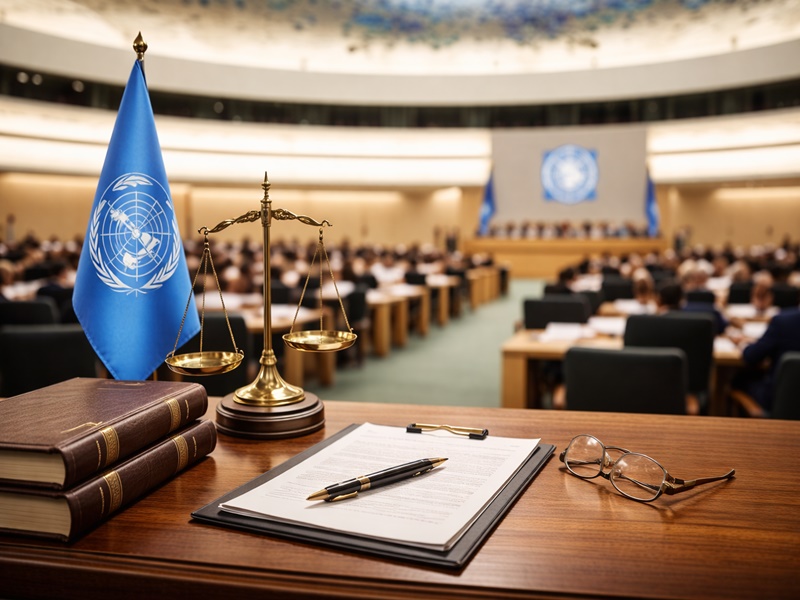
The United Nations Security Council will hold an emergency meeting at 10 pm CET on Saturday to address the escalating situation in Iran and the wider Middle East, French Foreign Minister Jean-Noël Barrot said.
In a post on X, Jean-Noël Barrot said, “At the request of France, the United Nations Security Council will meet tonight. Paris time to address the situation in Iran and the Middle East.”
The meeting comes amid a sharp deterioration in security across the region, with reported Israeli strikes inside Iran, retaliatory action by Tehran, and mounting international concern over the risk of wider conflict.
United Nations Secretary General Antonio Guterres on Saturday unequivocally condemned the military escalation, warning that the “use of force” by the United States and Israel, and Iran’s “subsequent retaliation” undermines international peace and security.
While invoking the UN charter, the Secretary General said that the principal document guiding the international body clearly prohibits “the threat of the use of force against the territorial integrity or political independence of any state, or in any other manner inconsistent with the Purposes of the United Nations.”
“All Member States must respect their obligations under international law, including the Charter of the UN. The Charter clearly prohibits ‘the threat of the use of force against the territorial integrity or political independence of any state, or in any other manner inconsistent with the Purposes of the United Nations,’” he wrote on X.
His comments followed reports of significant casualties among senior Iranian figures. In what was described as a blow to Tehran’s leadership, Iran’s Defence Minister Amir Nasirzadeh and Revolutionary Guards commander Mohammed Pakpour are believed to have been killed in an Israeli strike, according to sources familiar with Israel’s military operations and another regional source.
There has been no immediate official confirmation from Iranian authorities regarding the reported deaths. The developments nevertheless mark a potentially serious escalation in the long-running tensions between Israel and Iran.
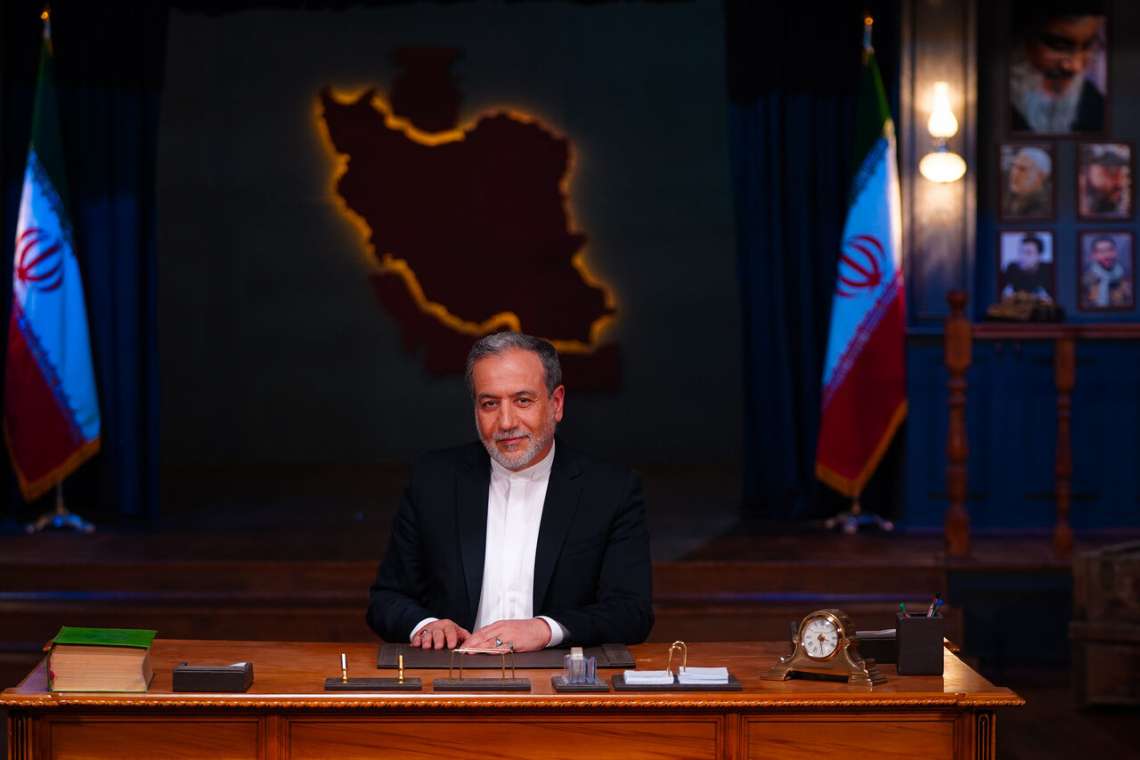
Iran’s Foreign Minister Seyed Abbas Araghchi alleged that an Israeli strike hit a primary school for girls in southern Iran, causing heavy civilian casualties. In a post on X, he said, “The destroyed building is a primary school for girls in the south of Iran. It was bombed in broad daylight, when packed with young pupils. Dozens of innocent children have been murdered at this site alone. These crimes against the Iranian People will not go unanswered.”
The allegations have not been independently verified. Israel has not publicly responded to the specific claim regarding the school.
Iran has since retaliated, targeting Israel and US assets in some Gulf states, according to reports. Multiple explosions have been heard in the Iranian capital, Tehran, while blasts have also been reported in several other locations across the country.
The extent of the damage and casualties from the retaliatory strikes remains unclear. There have also been no detailed public assessments from US or Israeli officials on the impact of the attacks on their assets.
The rapidly evolving situation has prompted urgent diplomatic engagement. France’s request for an emergency Security Council session underscores growing concern among major powers that the confrontation could spiral into a broader regional conflict.
The Security Council meeting is expected to provide a forum for member states to call for de-escalation and adherence to international law. However, divisions among permanent members have in the past complicated efforts to adopt unified positions on Middle Eastern crises.
As military exchanges continue and accusations mount, international attention is focused on whether diplomatic channels can contain the crisis. The coming hours are likely to prove critical in determining whether the situation stabilises or further escalates across an already volatile region.