European allies and Canada will fund 500 advanced interceptors to strengthen Ukraine’s air defences against continued Russian missile attacks…reports Asian Lite News Desk
The United States has approved a potential sale of 500 advanced Patriot PAC-3 Missile Segment Enhancement (MSE) interceptors to Ukraine in a deal estimated at $2.1 billion, with European partners and Canada funding the entire purchase.
The US State Department announced the approval on Friday, saying the proposed sale would strengthen Ukraine’s air defence capabilities against current and emerging missile threats.
Canada, Germany and Norway are expected to contribute towards the acquisition through the US JUMPSTART programme, alongside funding from a European Union credit facility. The State Department said no American financial resources would be used for the purchase.
US defence manufacturer Lockheed Martin will act as the principal contractor. The package also includes classified and unclassified spare parts, logistics arrangements and programme support.
However, the announcement did not specify when the interceptors would be delivered or whether components would be manufactured in Ukraine under a proposed arrangement with Lockheed Martin.
The approval comes as Ukraine faces continued Russian missile attacks and seeks to reinforce its air defence systems ahead of winter.
Ukrainian President Volodymyr Zelenskyy said earlier this week that Kyiv had waited nearly a month for Washington’s approval to secure critical missile supplies for its Patriot and NASAMS air defence systems.
According to an earlier CNN report, Ukraine’s existing stockpile of Patriot interceptors had been exhausted earlier this month.
The PAC-3 MSE is the most advanced version of the Patriot interceptor currently in operational service and is among the few systems capable of intercepting incoming ballistic missiles.
Zelenskyy has repeatedly urged Washington and other Western allies to accelerate weapons deliveries. Earlier this month, he said Ukraine had received an average of only 12 Patriot interceptors per month from the US during the year, while its military requirements called for intercepting around 150 incoming Russian ballistic missiles monthly.
In a video statement posted on social media on Friday, Zelenskyy highlighted the continuing threat, saying Russia had launched 17 ballistic missiles at Ukraine overnight. The attacks also hit oil refining infrastructure in the country’s central region.
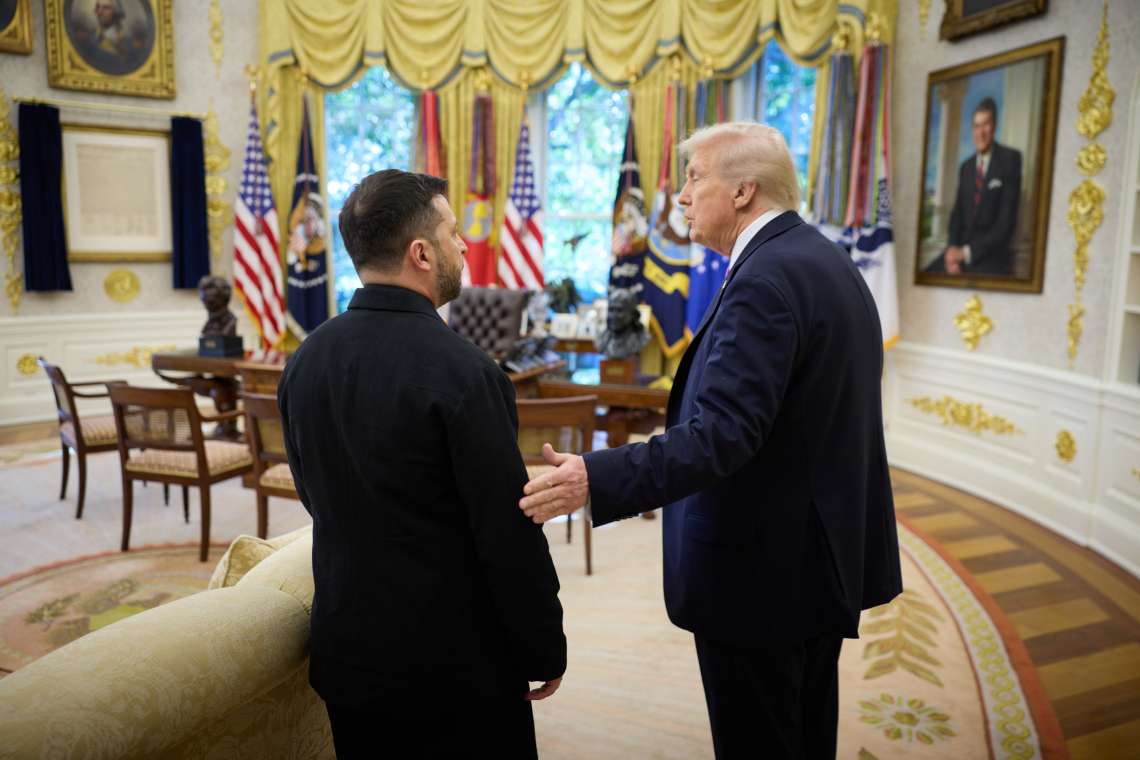
The approval follows weeks of tensions between Washington and Kyiv over the Trump administration’s approach to the conflict and its military support for Ukraine.
CNN reported that Trump had recently allowed Russian diesel exports into international markets and waived additional penalties targeting Russian fossil fuel trade. He had also threatened to restrict intelligence-sharing with Kyiv following Ukrainian strikes on Russian oil refineries.
Ukraine’s access to the Starshield satellite system was temporarily restricted before being restored last week.
The proposed missile purchase also raises questions about Ukraine’s longer-term defence manufacturing capabilities. Trump said at the NATO summit in Turkey in July that Ukraine would receive a licence to manufacture its own Patriot missiles.
However, the State Department said it was unaware of any finalised agreement between Kyiv and Lockheed Martin covering domestic production of interceptor components.
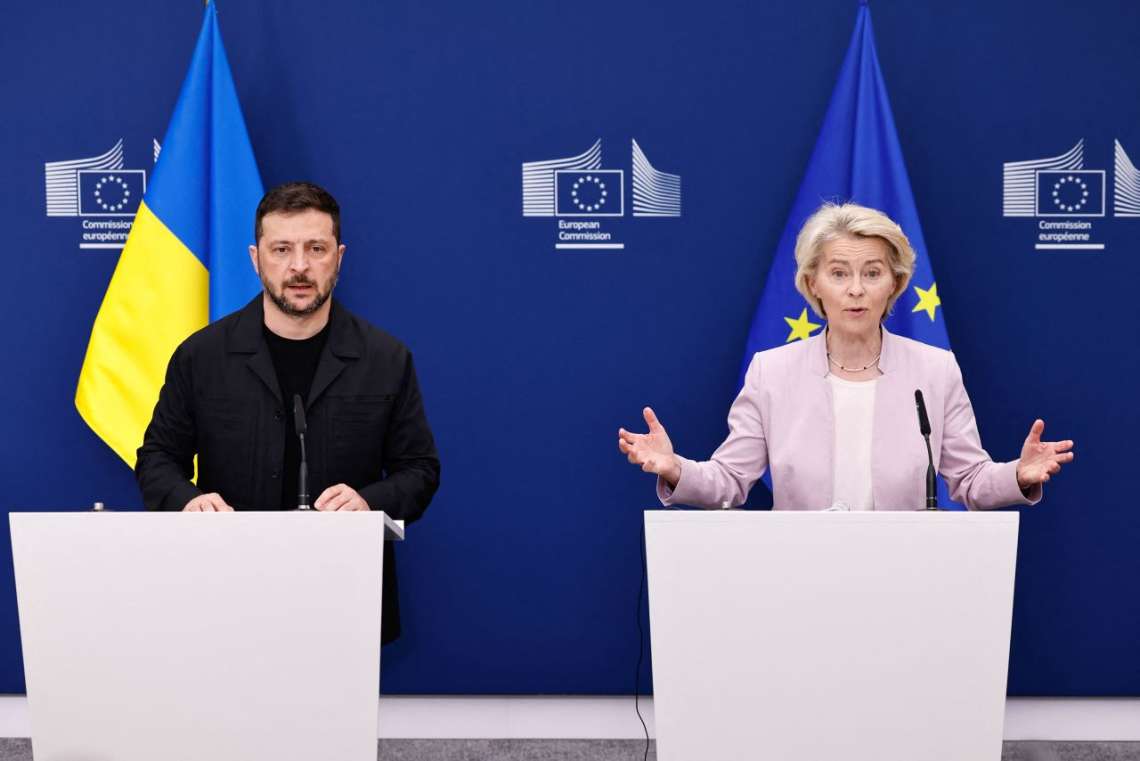
The European Union’s Ukraine Support Loan provides for up to 90 billion euros in assistance during 2026 and 2027, with 60 billion euros allocated for defence needs. The European Commission has authorised Ukraine to use the facility to purchase American-made Patriot interceptors.
The proposed transaction is part of wider efforts by Kyiv and its European partners to strengthen Ukraine’s air defences against continued Russian attacks.
Trump to Invite Zelensky to G20 Summit
US President Donald Trump’s decision to invite Ukrainian President Volodymyr Zelensky to the G20 summit could give the gathering a diplomatic dimension as Washington pursues an end to the Russia-Ukraine war.
Hours later, Secretary of State Marco Rubio said he would not rule out Zelensky’s participation in the December summit, leaving the decision to the president.
“That would be up to the President to decide. I wouldn’t rule it out,” Rubio said in Atlanta. He added that he had no announcement.
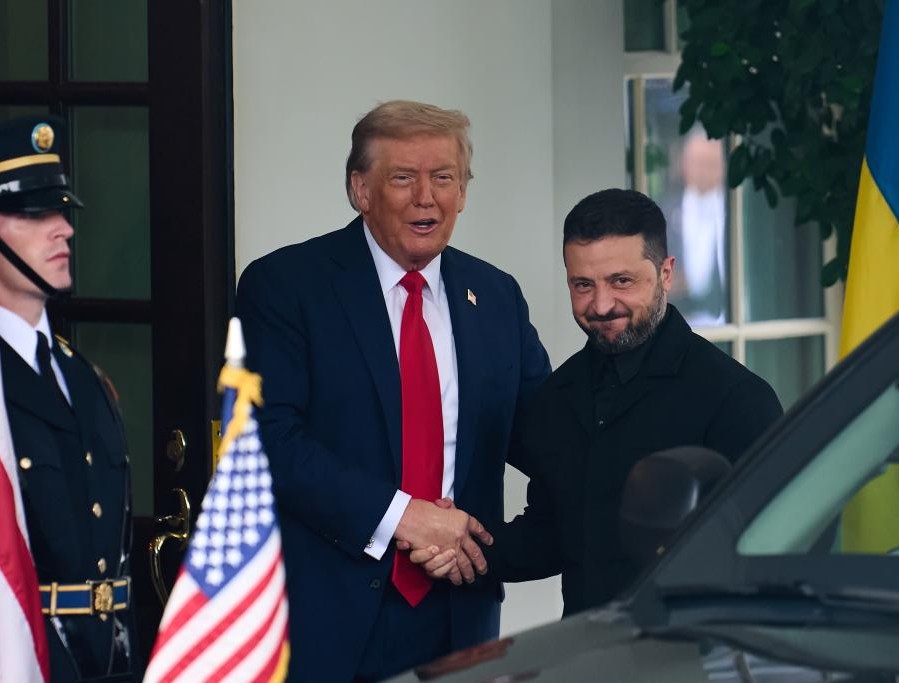
Trump’s remarks indicated that an invitation would be extended, although arrangements and the purpose of Zelensky’s participation remained unspecified.
The invitation comes as the United States seeks to maintain contact with Moscow and Kyiv and encourage negotiations. Speaking after the G20 foreign ministers’ meeting, Rubio cited attacks on Ukraine’s energy infrastructure, civilian deaths and the challenge of rebuilding as concerns.
He warned that sabotage and drones entering NATO airspace showed the risk of the conflict spreading beyond Ukraine.
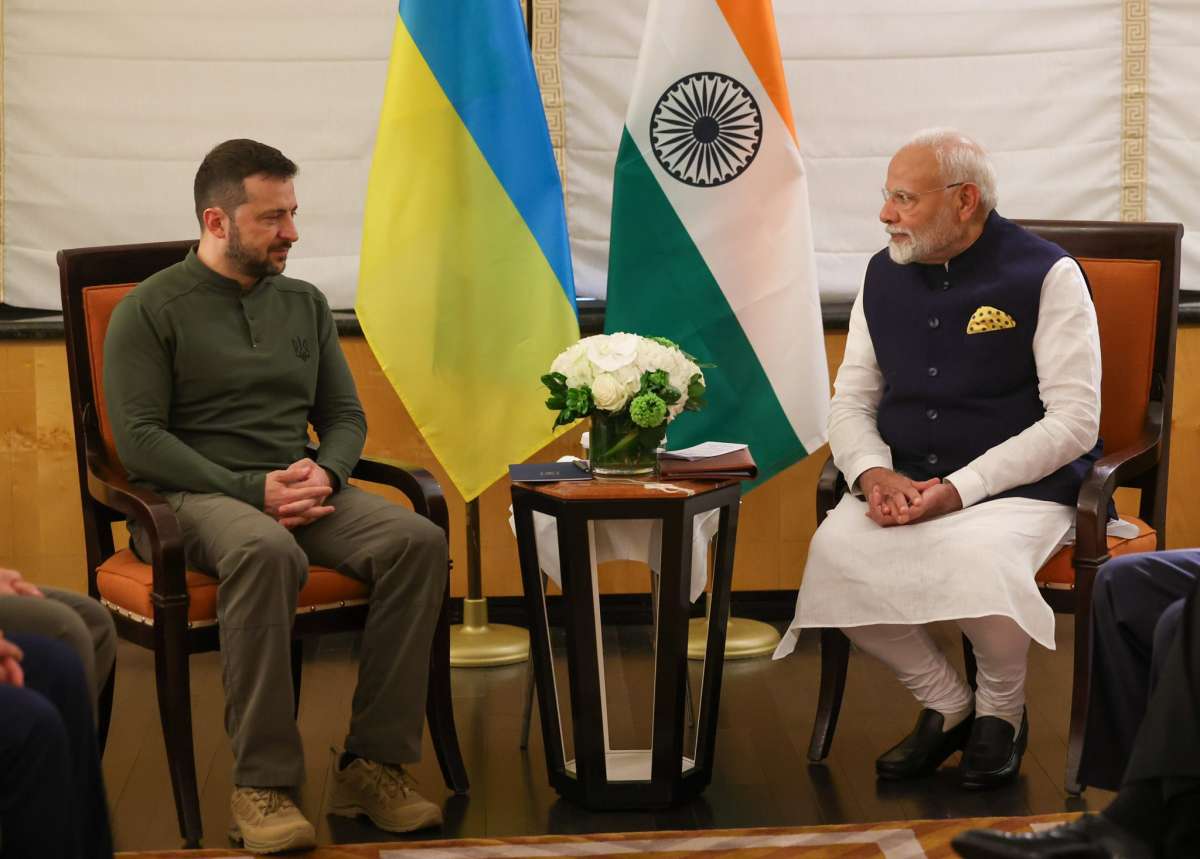
Alongside efforts towards a wider settlement, Washington is considering proposals to protect grain and energy shipments in the Black Sea. Rubio said Türkiye and India had contributed ideas, while stressing that a limited shipping arrangement would not end the war.
“We’d like to see it happen. It doesn’t solve the war problem, but at least it diminishes some of the impact,” he said, referring to consequences for food security in vulnerable countries.
The Atlanta meeting was part of preparations for the leaders’ summit in Doral, Florida, in December. Rubio said the US presidency had prioritised economic issues, including energy, supply chains, critical minerals and freedom of navigation.
Zelensky’s presence could put Ukraine’s war and its economic consequences on the summit agenda.
ALSO READ-World Needs Peace From Gaza to Ukraine, Says UN Chief