Washington and Tehran have signed a memorandum of understanding that lays the groundwork for future negotiations on Iran’s nuclear programme and the reopening of the Strait of Hormuz…reports Asian Lite News Desk
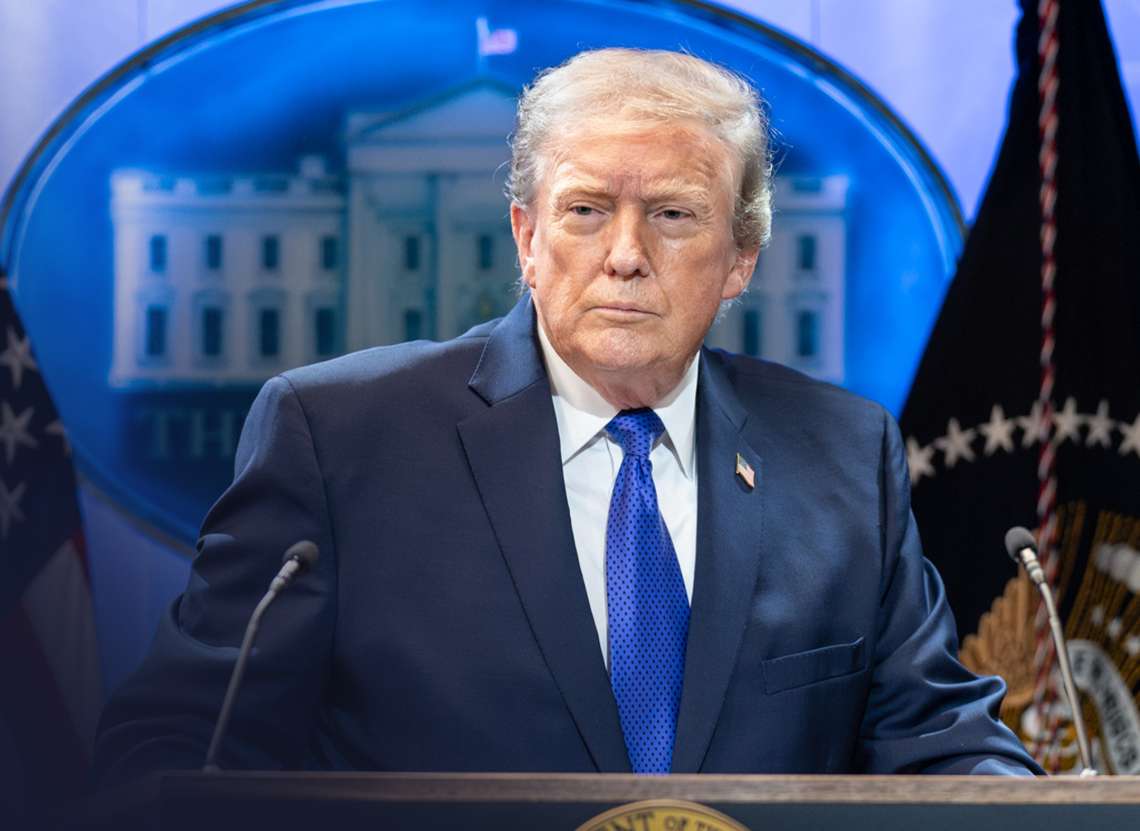
The United States and Iran have signed a memorandum of understanding (MOU) establishing a framework for future negotiations, reopening the Strait of Hormuz and launching a new diplomatic effort aimed at ensuring Tehran does not acquire a nuclear weapon, the Trump administration announced on Monday.
Senior US administration officials said the agreement marks a significant step in relations between the two countries and could pave the way for broader economic engagement if Iran complies with a series of conditions related to its nuclear programme, regional activities and support for militant groups.
Officials said a formal signing ceremony is expected later this week.
“We have now signed a memorandum of understanding with Iran,” a senior US official told reporters. “The more that the Iranians are willing to work with us on their nuclear programme, on verifying that they’re not building a nuclear weapon, on not funding radicalism and terrorism in the region, the more that they’re going to be welcomed into the world economy through a combination of sanctions relief and other economic measures.”
The administration said the deal includes provisions to reopen the Strait of Hormuz and end the naval blockade that has disrupted shipping and energy markets in recent weeks.
Officials indicated maritime traffic through the vital waterway is expected to increase gradually, with improvements already beginning and further growth anticipated over the coming weeks.
According to the administration, a combination of military, diplomatic and economic pressure helped bring Iran to the negotiating table.
Another senior official described the initiative as an effort to resolve tensions that have defined US-Iran relations for nearly five decades, arguing that Iran’s support for militant groups and pursuit of nuclear capabilities had contributed to instability across the Middle East.
Future negotiations are expected to focus heavily on verification measures and eliminating any remaining pathways for nuclear weapons development. Officials said discussions could eventually lead to sanctions relief, access to frozen Iranian assets and increased international investment, provided Tehran meets specific and verifiable benchmarks.
“We don’t pay for play. We’re prepared to give them a lot, but we expect performance,” a senior official said, stressing that any economic benefits would depend on measurable actions by Iran.
The administration also pledged full transparency, saying the memorandum would be released publicly and would not include any undisclosed arrangements.
Officials stressed that US military deployments in the region would remain unchanged during the next phase of negotiations, with any reduction in force levels dependent on the successful implementation of a final agreement.
The White House portrayed the talks as taking place from a position of strength, claiming Iran’s economy and military capabilities had been weakened and asserting that Tehran now understands Washington’s willingness to act if it seeks to develop a nuclear weapon.
Officials also expressed hope that the agreement could contribute to wider regional stability, pointing to ongoing diplomatic efforts involving Israel and Lebanon.
“I don’t think you can kill your way out of these problems,” a senior official said. “You need a diplomatic solution that allows us to get everyone to put down their weapons and hopefully focus on economics and rebuilding their countries and getting along with each other for joint prosperity and opportunity.”