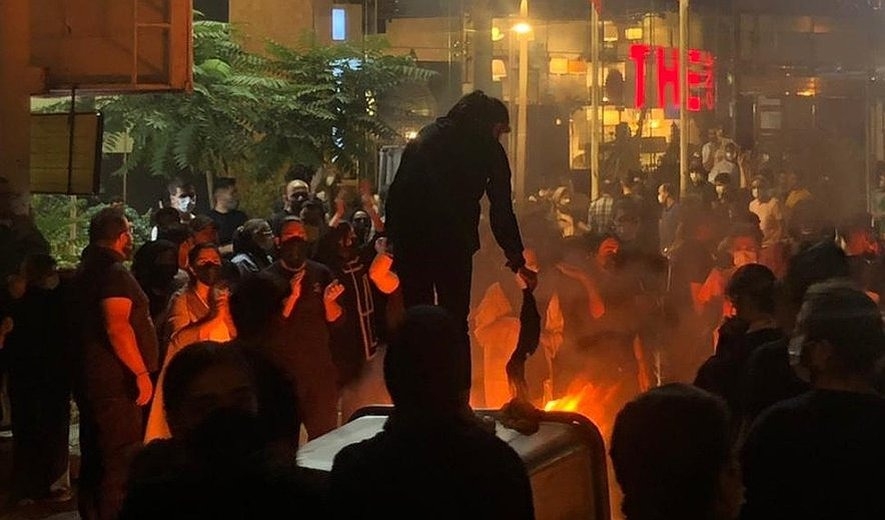
The protest in London comes amid heightened tensions following weeks of demonstrations in Iran that were met with a violent crackdown by the authorities
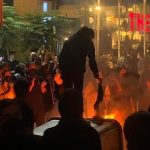
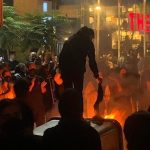
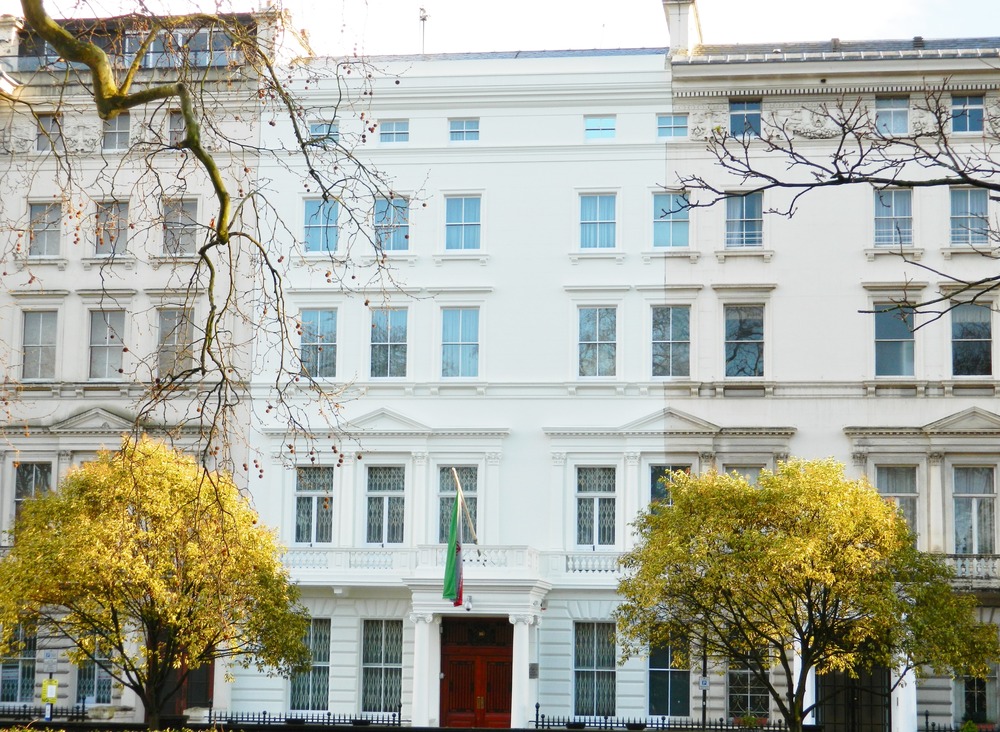
Several police officers were injured and multiple arrests made after a protest outside the Iranian embassy in London descended into violence, the Metropolitan Police have confirmed. The clashes broke out on Friday evening in South Kensington, underscoring the international fallout from weeks of unrest and repression in Iran.
Police were called to the scene at around 8.45 pm after demonstrators gathered outside the embassy, with officers reporting that missiles were thrown at them during the disorder. The London Ambulance Service said four people were taken to hospital, while two others were assessed and discharged at the scene. Footage circulating on social media appeared to show both officers and protesters injured during the confrontation.
On Saturday, the Metropolitan Police confirmed that four officers sustained minor injuries and that a total of 14 people had been arrested. A police spokesperson said the violence escalated after one protester illegally entered private property and climbed across multiple balconies onto the terrace of the Iranian embassy, where he removed the Iranian flag.
“An effort was made by a group of protesters to prevent his lawful arrest, and dispersal tactics were used by officers to ensure the safety of those concerned and prevent further disorder,” the spokesperson said. The individual was arrested on suspicion of criminal damage, trespass on diplomatic property and assaulting a police officer, and remains in police custody.
A further 13 arrests were made for a range of offences, including violent disorder, assaulting an emergency worker, criminal damage and trespass on diplomatic premises. Police said the situation was brought under control after officers intervened to prevent further escalation.
The protest in London comes amid heightened tensions following weeks of demonstrations in Iran that were met with a violent crackdown by the authorities. The protests initially erupted over Iran’s deteriorating economic conditions but quickly evolved into a broader challenge to the ruling regime. Security forces responded with force, drawing widespread international condemnation.
While reports from Tehran suggest there have been no visible protests for several days, with shops reopening and daily life appearing to return to outward normality, the situation remains tightly controlled. A continuing internet blackout has limited information from inside the country, and Iranian authorities have not reported significant unrest elsewhere.
The human cost of the crackdown remains heavily disputed. The US-based Human Rights Activists News Agency has reported that at least 3,090 people have been killed during the unrest. Iranian state television, however, has placed the death toll at around 300, a figure that has been challenged by rights groups and activists.
International attention has also focused on the possibility of US involvement. The prospect of direct intervention appears to have receded in recent days, despite earlier comments by former US president Donald Trump, who said that “help is on its way.” Iran’s exiled crown prince, Reza Pahlavi, has urged Washington to take a stronger stance, calling on Trump to honour his pledge and describing him as “a man of his word”.
Friday’s violence in London highlights how the crisis in Iran continues to reverberate far beyond its borders, with protests, diplomatic tensions and security concerns increasingly spilling onto the streets of other global capitals.