Politicians also moved swiftly to criticise the remarks. Afzal Khan, the Labour MP for Manchester Gorton, described them as a “deliberate and cynical ploy”, accusing Reform UK of promoting divisive ideas for electoral gain
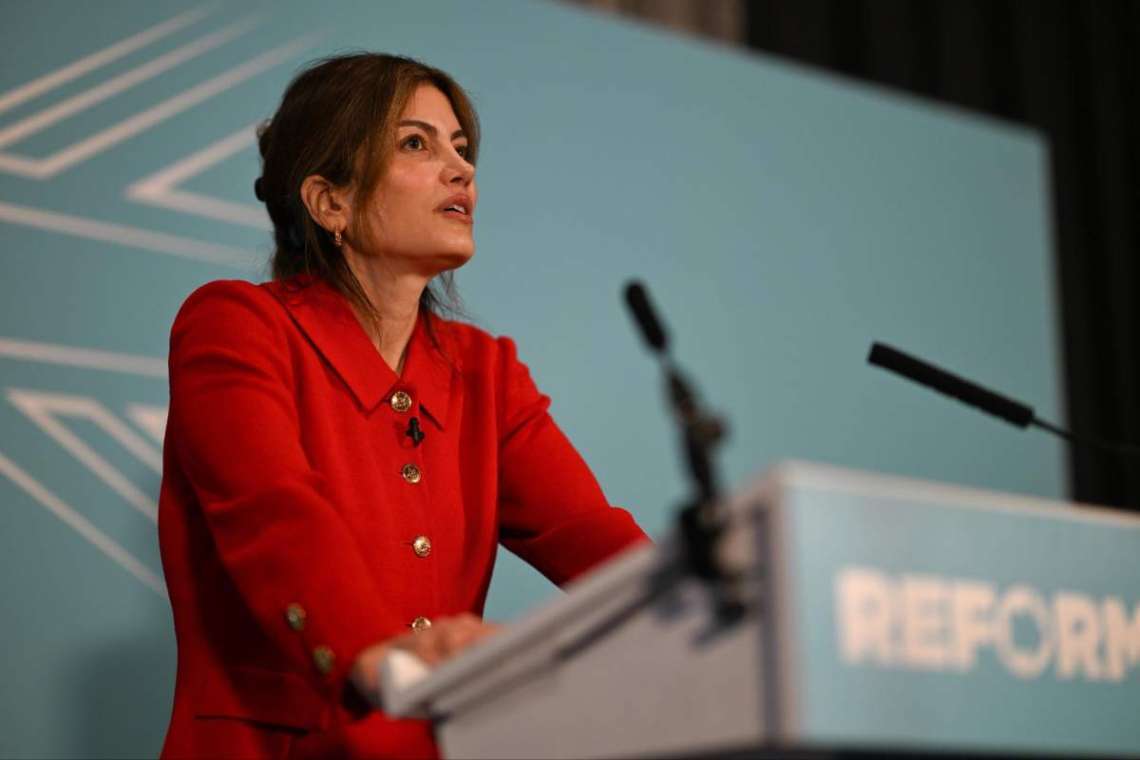
Reform UK’s newly announced London mayoral candidate, Laila Cunningham, has come under heavy criticism after comments suggesting women wearing the burqa should be subject to police stop-and-search powers, prompting warnings that her remarks risk inflaming division and Islamophobia in the capital.
Speaking on a podcast, Cunningham argued that in what she described as an “open society”, people should not cover their faces in public. She said it “has to be assumed” that those who do so may be doing it “for a criminal reason”, and suggested the police should have powers to stop and search women wearing the burqa. Her comments were reported by The Guardian and quickly drew condemnation from Muslim organisations and politicians across the political spectrum.
Cunningham also said London should operate under “one civic culture”, which she argued “should be British”. She claimed that parts of the capital felt culturally different due to the visibility of Muslim communities, remarks that critics said framed diversity as a problem rather than a strength.
Muslim groups warned that the comments were both inaccurate and harmful. Shaista Gohir, chief executive of the Muslim Women’s Network UK, described the remarks as “dangerous” and a “dog whistle” that could further marginalise Muslim women. She said they risked legitimising harassment and abuse at a time when tensions are already high.
“The number of Muslim women who wear the burqa in this country is tiny, and yet this is what has been chosen as a focus,” Gohir said. She added that her organisation had recently seen a rise in threatening and Islamophobic correspondence, arguing that Cunningham’s comments were “sending a message to Muslims that they do not belong”.
Politicians also moved swiftly to criticise the remarks. Afzal Khan, the Labour MP for Manchester Gorton, described them as a “deliberate and cynical ploy”, accusing Reform UK of promoting divisive ideas for electoral gain. “This is about pumping division into society deliberately for political benefit,” he said.
London Mayor Sadiq Khan said attempts to single out communities ran counter to the responsibilities of the mayoralty. “The role of mayor is to bring people together, not to pit Londoners against each other,” he said. “Almost without argument, our city is the greatest city in the world because of our diversity.” He added that freedom of religion and freedom of expression were “quintessentially British rights” that must be defended.
Cunningham was confirmed as Reform UK’s London mayoral candidate last week. She is a former Crown Prosecution Service prosecutor and a British-born Muslim, a fact that has added complexity to the reaction to her remarks. Critics argue that her background does not diminish the potential impact of her comments on Muslim women who already face discrimination and hostility.
The issue of face coverings has previously caused internal tension within Reform UK. Senior figures in the party have, in the past, sought to distance themselves from earlier calls for an outright ban on the burqa, suggesting that Cunningham’s comments may reopen debate within the party over how far it is willing to go on issues of culture and identity.
As London prepares for the mayoral election, the controversy has reignited wider questions about the tone of political debate and the responsibilities of candidates seeking to lead one of the world’s most diverse cities. For many critics, the episode underlines fears that cultural anxieties are increasingly being used as political tools, with potentially serious consequences for community cohesion and public trust.