Economists, including JP Morgan Chase CEO Jamie Dimon, have echoed these warnings, noting that political interference with independent central banks could destabilise economies
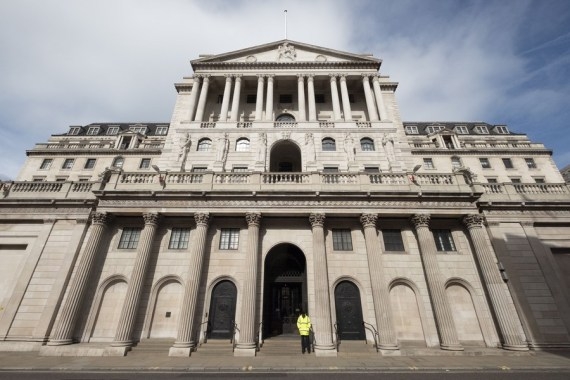
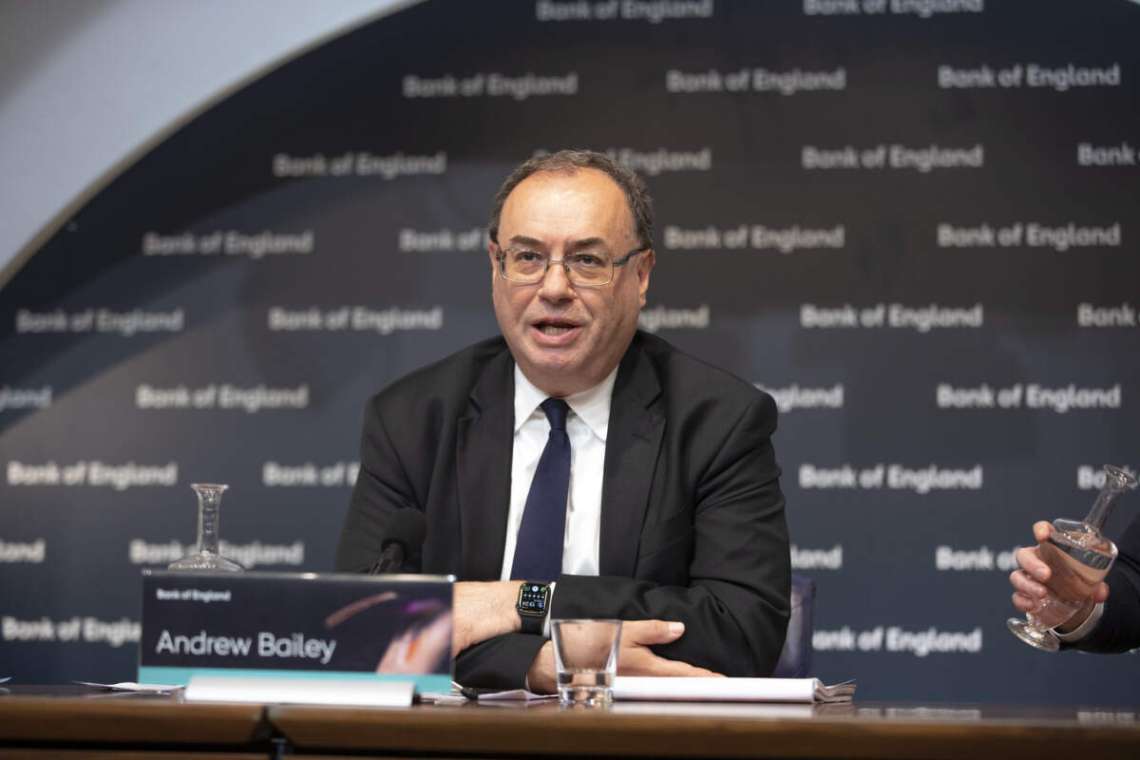
The governor of the Bank of England, Andrew Bailey, has urged global institutions to push back against the rise of populism, warning that it poses a serious threat to improvements in living standards worldwide. Speaking ahead of the annual World Economic Forum in Davos, Bailey said countries turning inward would undermine progress on economic growth and shared prosperity.
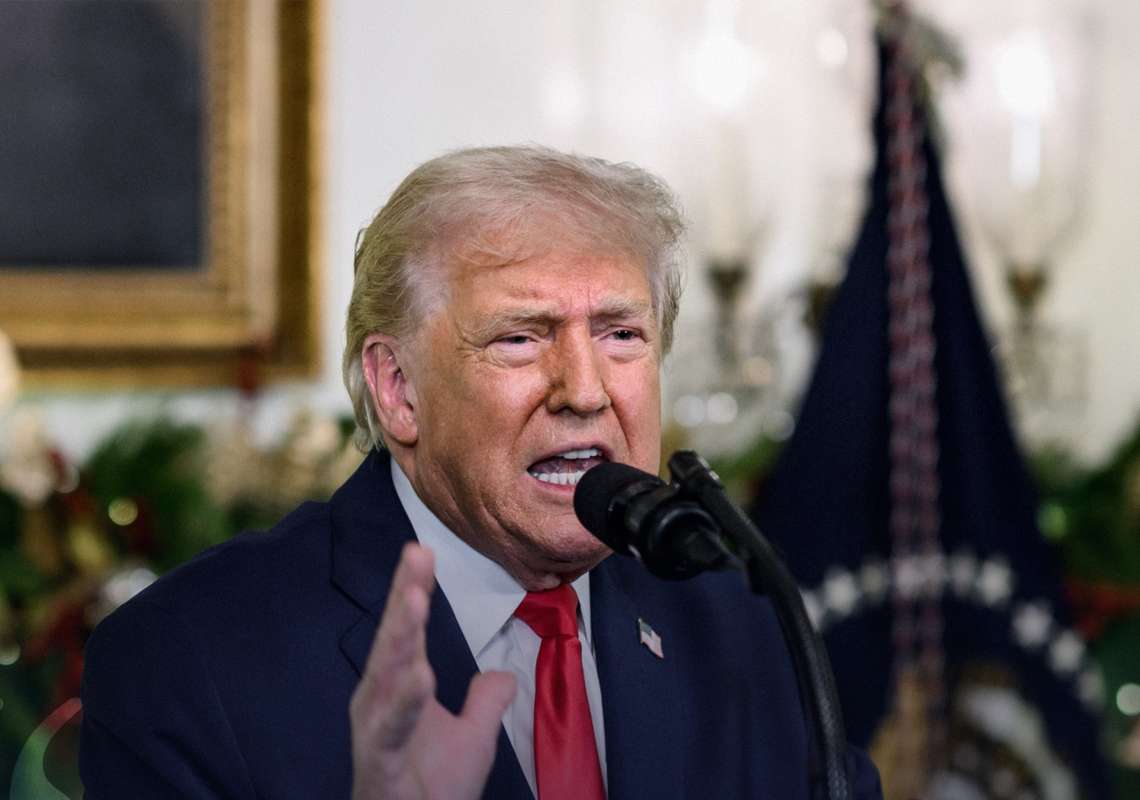
In remarks widely interpreted as a response to former US president Donald Trump’s attempts to interfere with the independence of the Federal Reserve, Bailey stressed that central banks and international institutions have a duty to “challenge back” populist narratives. “Part of the purpose of international agencies is that from time to time they have to tell us what we don’t want to hear,” he said. “We have to call out messenger shooting.”
Bailey spoke alongside the heads of the US Federal Reserve, the European Central Bank, and the Bank of Japan, highlighting the collective support of major central banks for the independence of financial institutions. Earlier this week, ten central bank governors, including European Central Bank president Christine Lagarde, pledged “full solidarity” with Federal Reserve chair Jerome Powell after he disclosed threats of legal action.
Populism, Bailey said, is characterised by a preference for domestic production over international openness, attributing economic difficulties to “outside forces”, and undermining trust in domestic and global institutions. “The rise of so-called populism makes the whole task harder,” he said, adding that politically motivated attempts to influence central banks risk driving up inflation and interest rates, increasing the cost of living for households.
Economists, including JP Morgan Chase CEO Jamie Dimon, have echoed these warnings, noting that political interference with independent central banks could destabilise economies. Bailey argued that robust global cooperation, trade, and institutional coordination remain essential for sustaining long-term growth. “The benefits of trade and openness in terms of specialisation and larger markets are very well known,” he said, emphasising the need for enforceable rules and commitment mechanisms to protect national and international interests.
While acknowledging the gains of economic openness, Bailey conceded that years of sluggish growth and unequal distribution of benefits have fuelled social tensions, making advocacy for global integration more challenging. He identified four major headwinds facing wealthy nations: slowing productivity, ageing populations, rising defence spending, and the climate crisis. These, he said, complicate the operation of international systems but can be addressed through cooperation and trade.
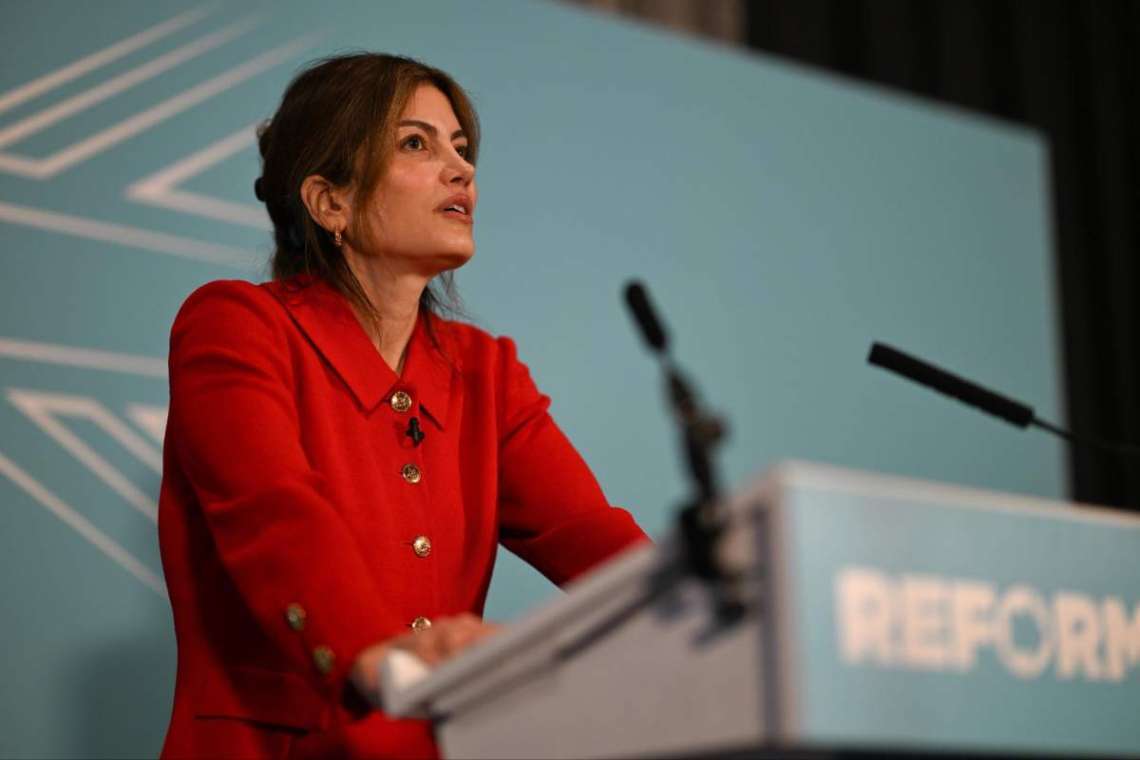
Bailey also responded to domestic criticism from right-wing figures, including Nigel Farage and former prime minister Liz Truss, who have called for greater political influence over the Bank of England. Bailey defended institutional independence as a cornerstone of stability and economic resilience, arguing that countries cannot meet modern challenges through isolationist policies.
“While openness supports growth and reduces global poverty, it also requires strong institutions and collective commitment,” Bailey said. “A world without effective institutions is unlikely to be stable. We must work together to ensure prosperity, security, and progress in a complex and interconnected world.”
His comments underline the crucial role of independent financial institutions in maintaining global stability amid rising populist pressures and geopolitical tensions.