Nigel Farage has signalled a diplomatic outreach to the United Arab Emirates as Reform UK seeks to broaden its international profile following strong polling
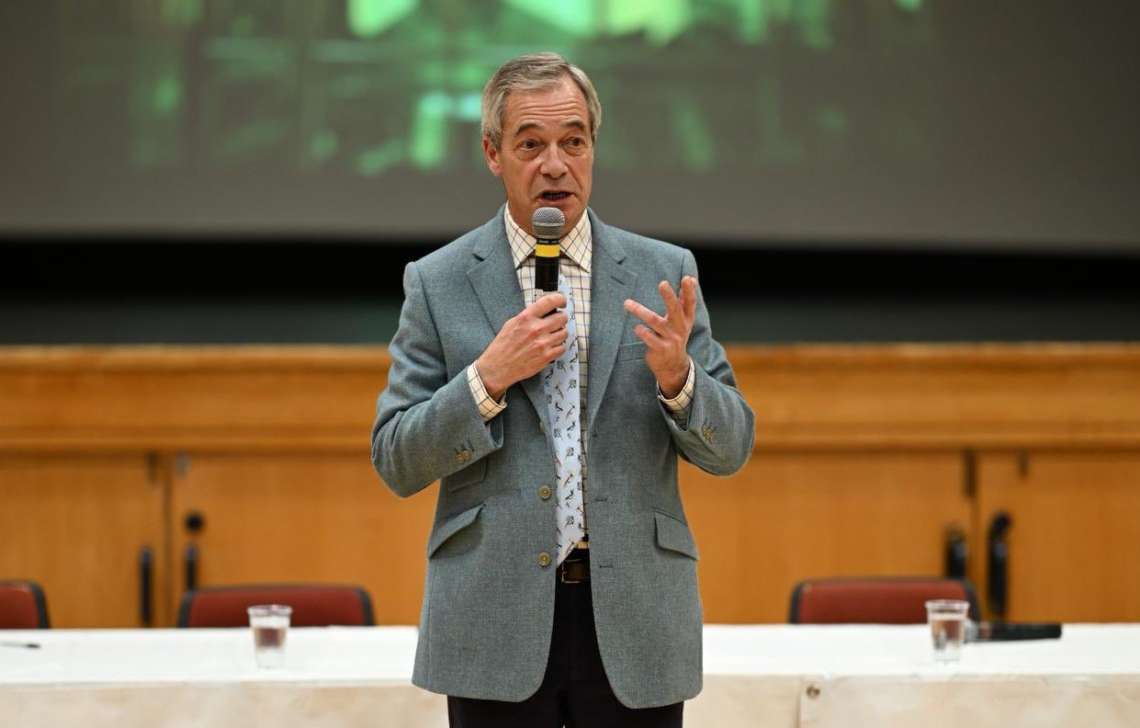
Nigel Farage has said he is seeking a meeting with the leadership of the United Arab Emirates, presenting the move as an effort to build ties with a key Middle Eastern state at a moment when his Reform UK party is polling strongly in parts of the country. Farage made the comments during a visit to the Gulf, describing the UAE as an important regional and global actor and suggesting that dialogue could be mutually beneficial.
The Reform UK leader said the Emirates represented a modern, outward-looking economy and a significant diplomatic player, adding that engagement was a normal part of politics for a party aspiring to govern. He framed the outreach as part of a broader attempt to place Reform UK on an international footing comparable with more established British political parties.
Farage’s comments come as Reform UK has sought to capitalise on recent polling that shows the party challenging the Conservatives in some constituencies. The party has campaigned heavily on immigration, cost-of-living pressures and scepticism towards aspects of Britain’s current foreign and trade policies, while positioning itself as a disruptive force in Westminster politics.
The UAE, a federation of seven emirates, has in recent years expanded its diplomatic footprint, hosting major international events and playing an active role in regional mediation. It maintains close security and trade ties with the United Kingdom, and British ministers have regularly travelled to Abu Dhabi and Dubai to strengthen economic cooperation.
Farage said his interest in meeting UAE leaders reflected what he described as the country’s pragmatic approach to governance and development. He suggested that there were lessons to be learned from states that, in his view, prioritised economic growth, infrastructure and national sovereignty. He did not announce any formal agenda for talks or confirm whether a meeting had been scheduled.
The comments prompted mixed reactions in the UK. Supporters argued that Farage was acting as any national political leader would by engaging internationally and broadening contacts beyond Europe and North America. They said the UK needed to maintain strong relationships with Gulf states, particularly in areas such as energy security, investment and trade.
Critics, however, questioned the purpose of the visit and whether it was appropriate for the leader of an opposition party to pursue high-level foreign engagements without a clear mandate. Some pointed to the UAE’s human rights record, arguing that any engagement should be accompanied by scrutiny and clear expectations.
Labour and Liberal Democrat figures said foreign policy should be led by the government of the day, with parliamentary oversight, rather than by individual party leaders pursuing their own diplomatic tracks. They warned that high-profile overseas visits could blur the line between personal political branding and national interest.
The Conservative Party, which has faced sustained pressure from Reform UK in recent months, largely declined to comment directly on Farage’s remarks. Senior figures have previously accused him of opportunism and of seeking publicity through controversial statements and overseas trips.
Farage has long argued that Britain should adopt a more independent and transactional approach to foreign relations, particularly in the post-Brexit era. He has been critical of what he sees as excessive reliance on multilateral institutions and has advocated closer ties with countries willing to engage on bilateral terms.
The UAE is one of the UK’s largest trading partners in the Middle East, with bilateral trade running into tens of billions of pounds annually. British companies have a significant presence in the Emirates, and Emirati investment funds hold stakes in UK infrastructure, real estate and technology firms.
Any meeting between Farage and UAE leaders would be informal and would not carry the status of official diplomacy. Nonetheless, analysts say such engagements can still carry symbolic weight, particularly if Reform UK continues to gain electoral ground and position itself as a potential kingmaker or governing party in future parliaments.
For now, Farage’s Gulf overture underscores his attempt to project Reform UK as a serious political force with ambitions that extend beyond domestic protest politics. Whether the move will broaden the party’s appeal or attract further criticism remains uncertain, but it highlights the increasingly international dimension of Britain’s volatile political landscape.