Government plans to overhaul local government across England have been paused after new legal advice raised questions over the process and proposals…reports Asian Lite News Desk
Plans for a major reorganisation of local government in England have been put on hold after the government launched a review following new legal advice.
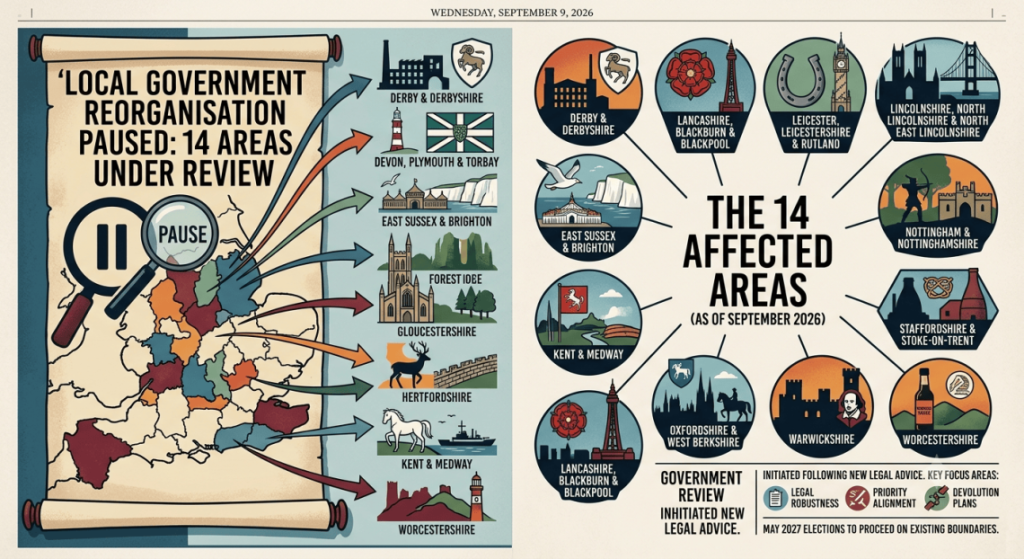
Proposals to create larger councils in Essex, Hampshire, Norfolk and Suffolk have been withdrawn, while plans covering 14 other areas have been paused.
The government said the review was intended to ensure the reorganisation process was legally robust and aligned with the priorities of the new administration.
The changes will not affect Surrey, where councillors for two new unitary authorities were elected in May. Local elections scheduled for May 2027 will also go ahead on existing council boundaries.
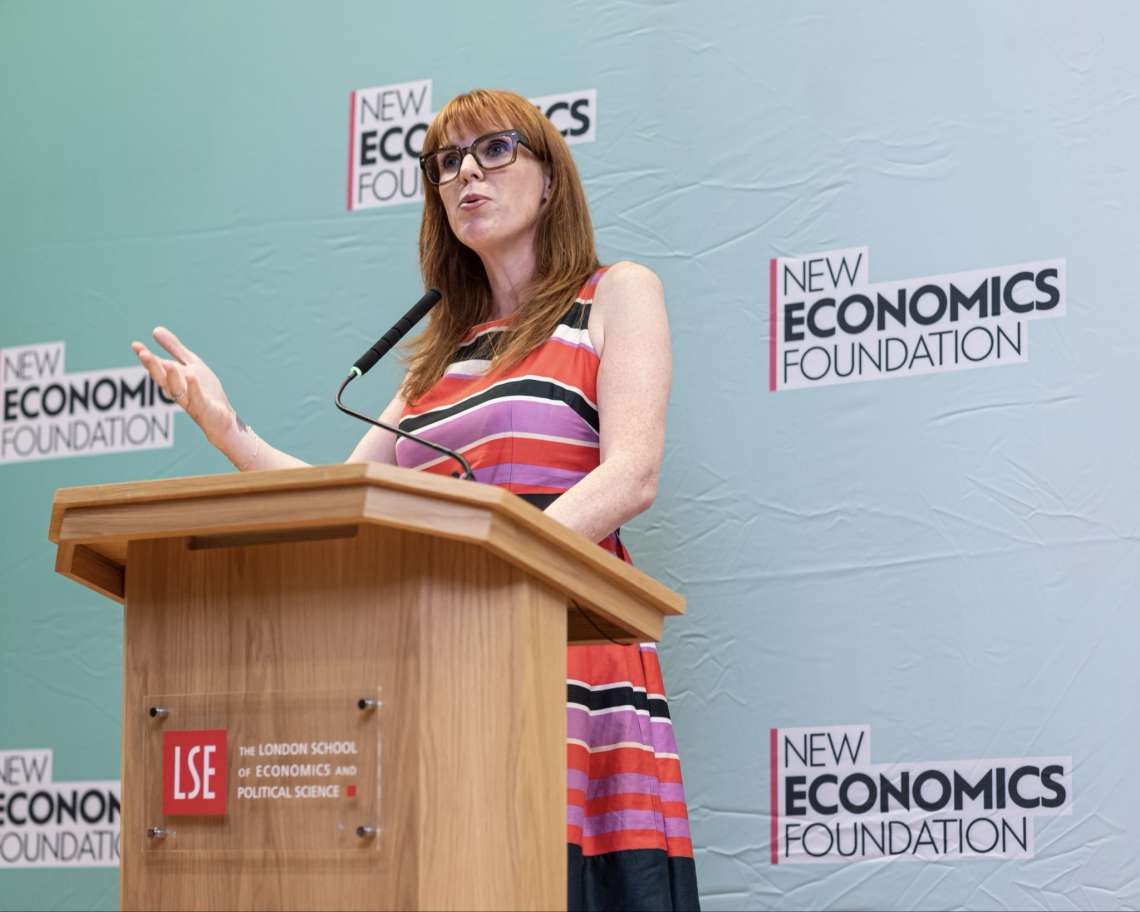
Local Government Secretary Angela Rayner confirmed the review in Parliament.
“In light of legal advice, I want to satisfy myself firstly that the right process is in place, that it is robust, and of course complies with the law,” she told MPs.
She added: “And secondly, I want to fully test whether our proposals for local government reorganisation meet the priorities of a new administration and a new prime minister and any additional considerations.”
Rayner described the decision as “disappointing” but said the government remained committed to transferring power closer to communities.
The local government reforms were first developed under Sir Keir Starmer’s government, when Rayner previously served as local government secretary. Her successor, Steve Reed, continued the programme and announced proposals for new councils in 14 areas in July.
The government’s wider plan was to move towards unitary councils across England, combining responsibilities currently divided between county and district councils. Ministers argued that a simpler structure could make service delivery more efficient, generate savings and support the transfer of powers from Westminster to local areas.
The proposals have faced opposition from several councils and political parties, with critics arguing that the changes could be costly and could divert resources away from frontline services.