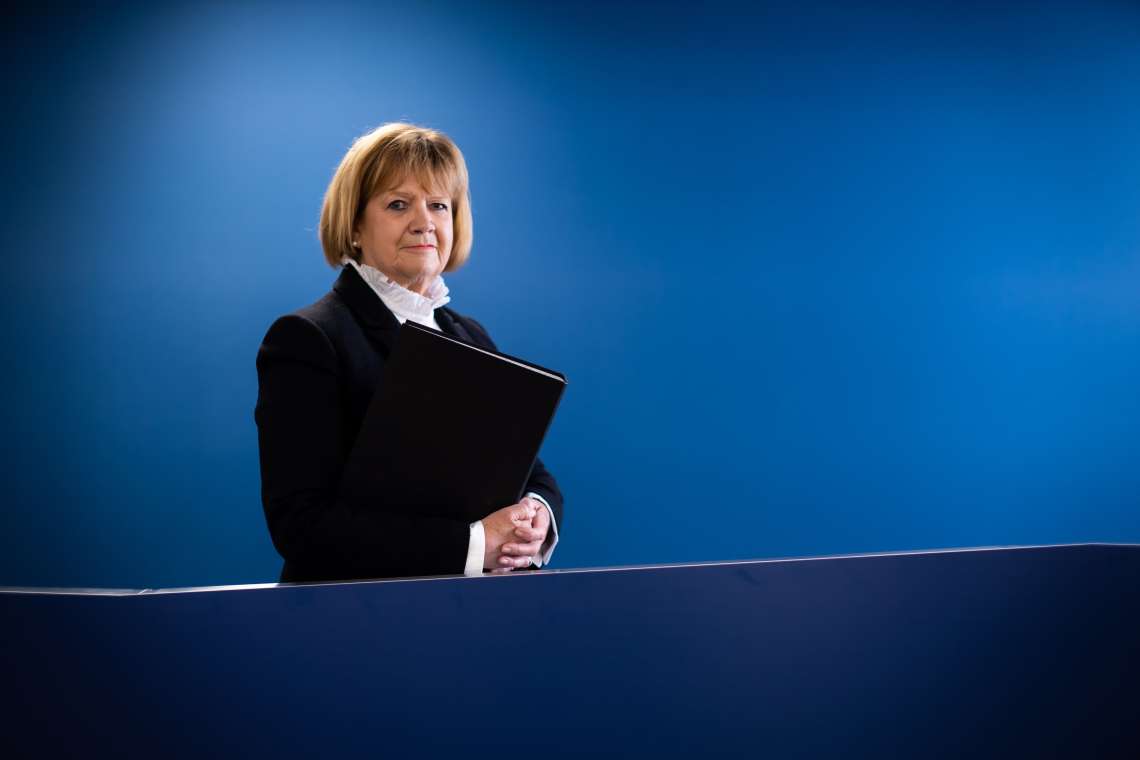
Costing just over £200 million, the inquiry examined the UK’s pandemic response since opening in 2022, with Baroness Heather Hallett saying it remains essential despite calls to move on from Covid-19.
The inquiry, which has cost just over £200 million, examined the pandemic response across all four UK nations.
The chair of the UK’s public inquiry into Covid-19 has defended the cost and length of the investigation as the final day of hearings concluded on Thursday.
According to the BBC, Baroness Heather Hallett said completing the hearings in less than four years was “an extraordinary achievement,” even as critics questioned both the expense and the duration of the inquiry.
The inquiry, which has cost just over £200 million, examined the pandemic response across all four UK nations. It formally opened in 2022, with witness hearings beginning in June 2023.
Speaking at the close of proceedings, Baroness Hallett acknowledged that some people believe the country should move on from the pandemic but said the inquiry remains essential.
“There are people who believe it is time to move on from the pandemic and they question the worth of this inquiry,” the BBC quoted her as saying.
“I hope that when they read about the extent of the suffering that we’ve heard and see the results of the inquiry’s work, they will appreciate the huge scale of loss caused by Covid-19 and they will understand better why this inquiry was established,” the BBC quoted her as saying.
Baroness Hallett noted that investigators had reviewed more than 600,000 documents and heard evidence from over 350 witnesses during the process.
She also said the terms of reference given to her by then-prime minister Boris Johnson were the broadest ever assigned to a UK public inquiry.
The inquiry chair urged the public to press for the implementation of recommendations aimed at improving preparedness for future health crises.
“If implemented, my recommendations should reduce the number of deaths, reduce the suffering and reduce the social and economic cost,” she added.
Baroness Hallett is expected to publish eight more reports covering issues such as the National Health Service, vaccines, test and trace systems, the pandemic’s impact on children, and social care. The process is expected to continue into the first half of next year.
She has already released reports examining pandemic preparedness before 2020 and the actions of the UK government and devolved administrations during the most severe phases of the crisis, the BBC reported.
Earlier, inquiry chair Baroness Hallett said that while government was presented with unenviable choices under extreme pressure, “all four governments failed to appreciate the scale of the threat or the urgency of response it demanded in the early part of 2020.” She said ministers were in part relying on “misleading assurances” that the UK was prepared. Government scientists underestimated how quickly the virus was spreading and, in the early days, were advising restrictions should not be introduced until the spread was nearer its peak to help build up herd immunity, she added.
Across nearly 800 pages, the report, the second of 10 planned by the inquiry, set out a series of failings. It said it was “inexcusable” that the same mistakes of spring 2020 were repeated in the autumn as the second wave emerged and Prime Minister Boris Johnson repeatedly changed his mind about the need for tougher restrictions, leading to England’s second lockdown being introduced in November when control was already lost. Rule-breaking by politicians and their advisers, including Dominic Cummings’ trip to Durham and Barnard Castle in March 2020, was listed as having undermined public confidence in decision-making and significantly increasing the risk of people not following measures.
The report described a “toxic and chaotic” culture at the heart of government during its response to the pandemic, which it said affected the quality of advice and decision-making. All four nations were criticised for planning and decision-making failures, with the inquiry saying the response was hampered by a lack of trust between Boris Johnson and the first ministers. It found the Eat Out to Help Out scheme, proposed by Chancellor Rishi Sunak and agreed by Johnson to support hospitality venues in August 2020, was “devised in the absence of any scientific advice” and “undermined public health messaging.” The impact on vulnerable groups – older people, disabled people and some ethnic minorities – was said not to have been adequately considered, despite the harm to them being foreseeable. The report added that children were not prioritised enough, with ministers failing to assess properly the consequences of school closures.
While acknowledging that lockdowns helped save lives, the inquiry said they left lasting scars, halting ordinary childhood, delaying treatment of non-Covid conditions and worsening inequalities. It highlighted modelling produced in 2021 showing 23,000 deaths could have been prevented had the UK locked down a week earlier than 23 March 2020, equating to 48% fewer deaths in the first wave to 1 July 2020. However, it made no claim that the overall UK death toll of 227,000 by 2023 would necessarily have been lower, noting this was “very difficult to tell” due to numerous factors that could have altered outcomes as the pandemic progressed.
The report also acknowledged positive elements of the response, praising the “remarkable” rollout of the vaccination programme and the exit from the early-2021 lockdown, which it said allowed time for vulnerable groups to be vaccinated and marked a turning point.
Recommendations included better assessing how decisions affect those most at risk, broadening participation in the Sage advisory group to include devolved government representatives, creating expert groups on economic and social impacts, reforming decision-making structures within each nation, and improving communication between the four governments during emergencies.
Prime Minister Keir Starmer said the government would “carefully consider” the findings and recommendations. He said improvements had been made in how government would respond to a major crisis, but added that local government and public services, including the NHS, remained under strain and in many cases had not fully recovered. “The cost of the pandemic still weighs heavily on the public purse,” he said.