As the venue reopens, it aims to re establish itself as a hub for live entertainment, drag, and cabaret, with a new lineup of performers set to carry forward its historic legacy, LDD Newsdesk
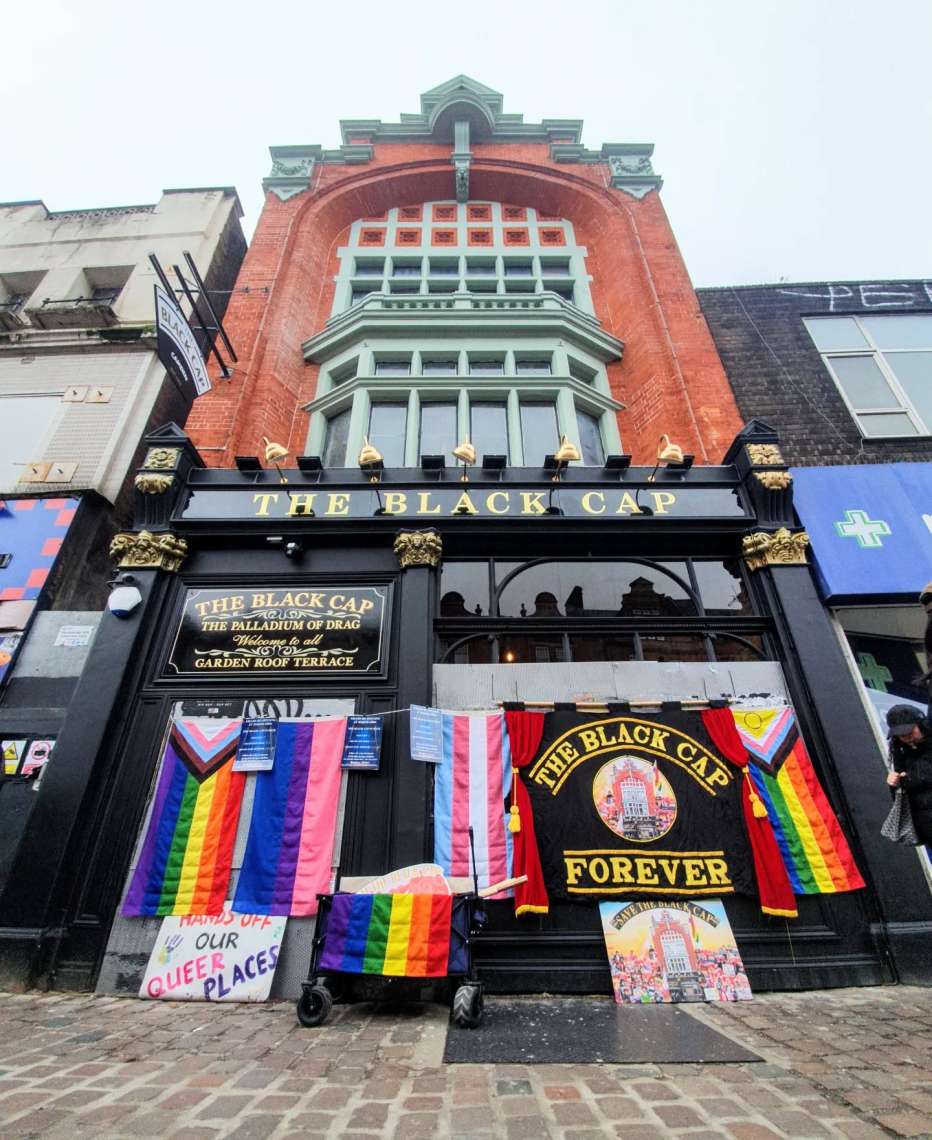
One of London’s most legendary queer venues has roared back to life, more than a decade after its doors were shut without warning, reviving a cultural icon that generations refused to let fade. The venue, long celebrated as the “Palladium of Drag”, has hosted cabaret and drag performances since the 1950s and played a central role in shaping London’s nightlife culture.
According to the BBC, the pub shut its doors in 2015, prompting widespread concern among campaigners and regulars who saw it as a vital cultural space. Among them was Alex Green, a long time patron who frequented the venue from the 1980s and later helped organise weekly vigils outside the pub following its closure. He described The Black Cap as a “precious space” with a unique history that deserved preservation. Reflecting on its importance, he said the closure came at a time when many LGBTQ+ venues were disappearing, calling it “the final straw”. He also noted that such venues had once offered protection and community long before homosexuality was legalised in 1967.

Over the decades, The Black Cap helped launch the careers of several legendary drag performers, including Danny La Rue, Mrs Shufflewick, Regina Fong, and Lily Savage, the stage persona of Paul O’Grady. In tribute, the venue now features “Lily’s Bar”, showcasing artefacts from O’Grady’s career, loaned by his widower Andre Portasio. Other areas of the pub honour its legacy, including “Shufflewicks” upstairs and the revived Regina Fong Terrace.
New general manager Rafa Motycki said the reopening is both a tribute to past performers and a welcoming space for younger generations. He emphasised the venue’s role as a place of support, particularly for those facing difficult times.
The restoration, led by LT Management at a reported cost of £2 million, has been widely praised by campaigners. Green said the owners had listened closely to the community, incorporating feedback from thousands of people into the redesign.
As the venue reopens, it aims to re establish itself as a hub for live entertainment, drag, and cabaret, with a new lineup of performers set to carry forward its historic legacy.
Meanwhile, Britain’s pub industry has unveiled new guidance aimed at making pubs more accessible for disabled customers and staff, as sector leaders seek to ensure the country’s most iconic social spaces remain welcoming to all.
The new guide, titled An Open Welcome, has been published by the British Beer and Pub Association (BBPA) and sets out practical steps for pub operators to improve accessibility in venues across the UK. Industry leaders say the guidance could help remove everyday barriers faced by disabled people while also strengthening pubs’ role as community hubs.
The initiative was officially launched at The Gun, where representatives from the hospitality industry, accessibility charities and campaign groups gathered to highlight the importance of creating inclusive spaces.
According to the BBPA, the guide provides clear and practical advice for pub operators looking to improve accessibility without necessarily undertaking costly structural changes. The organisation says many improvements can be achieved through relatively simple measures such as clearer information, staff awareness training and small adjustments to layouts.
Emma McClarkin, chief executive of the BBPA, said pubs had long been seen as cornerstones of British social life and should remain places where everyone feels welcome.
McClarkin said in a statement that the sector prides itself on offering an “open welcome”, describing the guide as a blueprint for progress that demonstrates how thoughtful changes can transform a customer’s experience. She added that providing clear information alone can give disabled customers the confidence to visit venues that they know will meet their needs.
She also emphasised that many pubs have already made meaningful improvements in recent years but that the industry still has work to do to ensure accessibility becomes standard practice across the sector.
The guidance was developed through collaboration between pub companies, charities, accessibility specialists and individuals with lived experience of disability. Organisations involved in the project include Heineken UK, Star Pubs, Fuller’s, Licensed Trade Charity, Narcolepsy UK and Acas.
Supporters say the wide range of contributors helped ensure the guide reflects real-world challenges and solutions for both pub workers and customers.
Sonia Thimmiah, director of corporate affairs at Heineken UK, said pubs sit at the heart of communities and should be places where everyone feels genuinely welcome. She said the new BBPA guide is significant because it focuses on simple and practical actions that can make a meaningful difference for people with disabilities.
Thimmiah added that accessibility should be viewed not merely as a compliance requirement but as a broader cultural commitment to inclusion. She said Heineken UK and Star Pubs were proud to support the initiative and would continue working with licensees to embed accessibility principles across their venues.
The guide highlights a range of measures that pubs can introduce to make their premises more inclusive. These include publishing clear accessibility information online, offering menus in large-print or digital formats, and ensuring that seating layouts allow easier movement for customers with mobility needs.
Staff training also features prominently in the recommendations. Operators are encouraged to train employees to better support customers with both visible and non-visible disabilities and to improve awareness of conditions such as neurodiversity and narcolepsy.