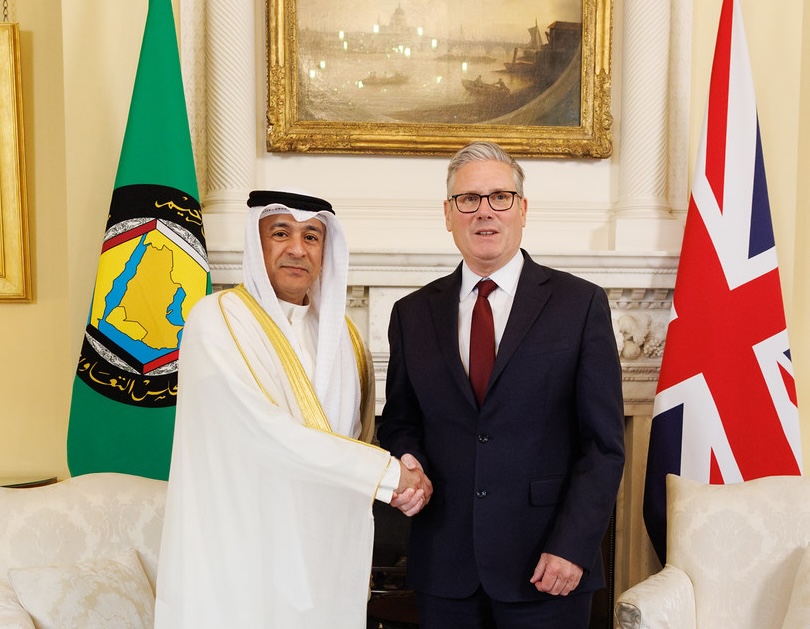
Britain has agreed a major trade deal with six Gulf states that the government says will add £3.7bn to the UK economy and cut export tariffs by hundreds of millions of pounds, reports London Daily News Desk
Britain has struck a trade agreement with six Gulf states, which the government says will boost the UK economy by £3.7bn. Ministers said the deal would cut tariffs on British exports, support jobs and make it easier for firms to expand across the Gulf region.
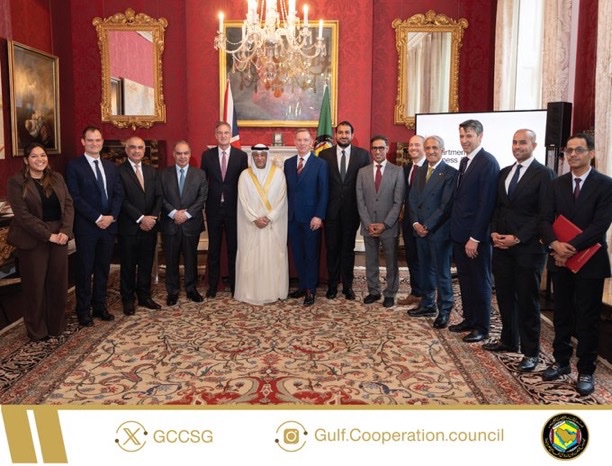
The agreement has been signed between the UK and the Gulf Co-operation Council, which includes Bahrain, Kuwait, Oman, Qatar, Saudi Arabia and the United Arab Emirates. The government said the deal would remove an estimated £580m a year in tariffs on British exports to the region once it is fully implemented.
Products set to benefit from tariff reductions include cheddar cheese, butter and chocolate. Ministers also said the agreement would help British companies build partnerships and expand operations in Gulf markets.
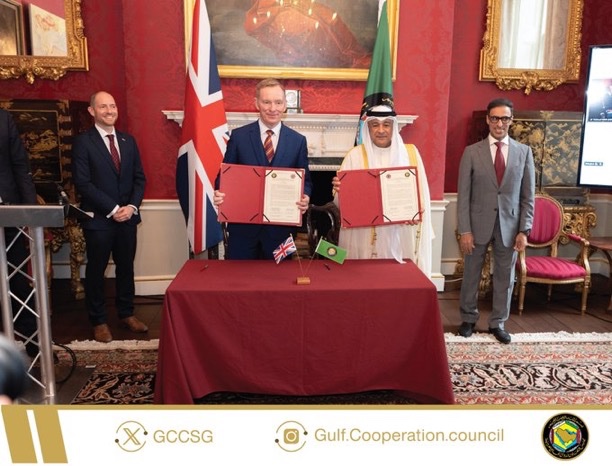
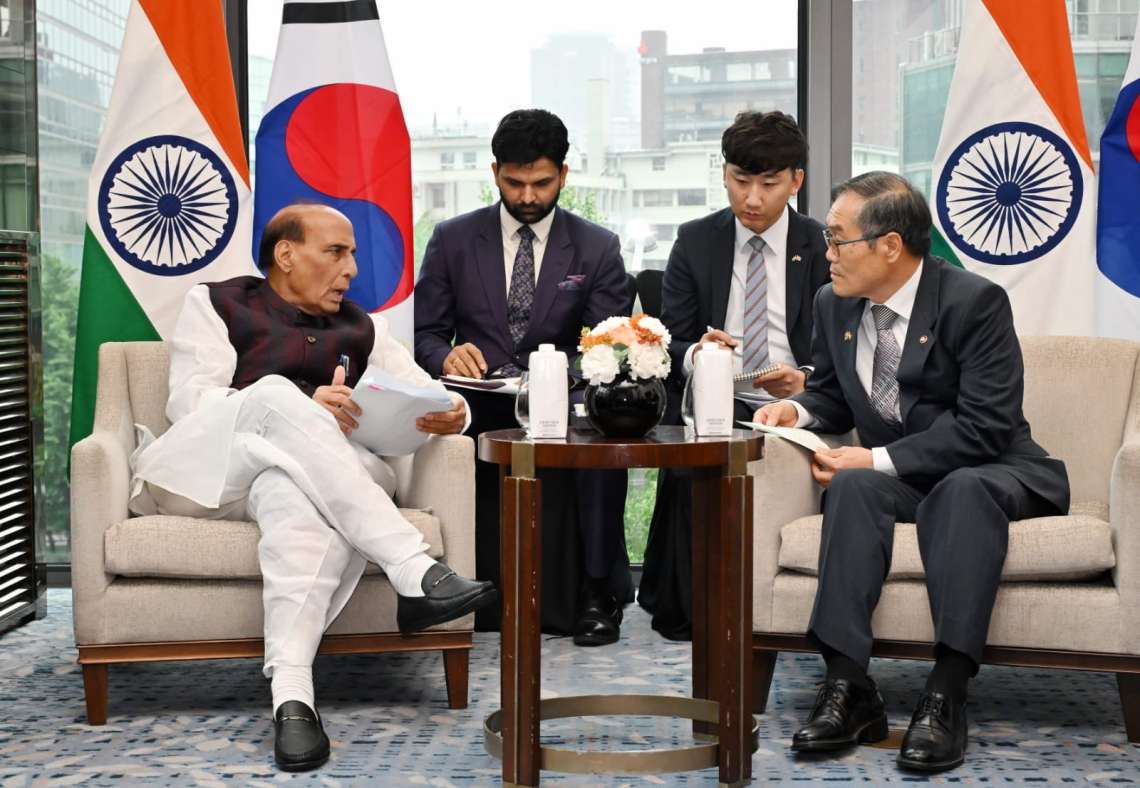
The deal is the third trade agreement reached by Prime Minister Keir Starmer’s government, following agreements with India and South Korea. It is also the first trade deal agreed between the Gulf Co-operation Council and a G7 nation. The government has separately secured agreements with the United States and the European Union as part of its wider trade strategy.
Starmer described the Gulf agreement as a “huge win” for British workers and businesses. He said working people “will feel the benefits in the years ahead through higher wages and more opportunities”.
Business and Trade Secretary Peter Kyle said: “At a time of increased instability, today’s announcement sends a clear signal of confidence – giving UK exporters the certainty they need to plan.” Chancellor Rachel Reeves said the agreement was “proof we are backing British firms to compete and win globally”. “This agreement is good for jobs, good for industry and ultimately good for consumers,” she said.
The Conservatives welcomed the deal and linked it to Britain’s post-Brexit trade policy. Negotiations on the agreement began when the party was in government. The party described the deal as “another major Brexit opportunity” and accused Labour of risking “throwing away” the benefits because of what Conservatives see as the government’s pro-European Union approach.
The agreement has also drawn criticism from campaign groups concerned about human rights and environmental protections. The Trade Justice Movement said the agreement “poses serious risks to human rights, labour protections, and climate action”.
The group highlighted concerns over restrictions on press freedom, the use of the death penalty and greenhouse gas emissions linked to the Gulf states’ oil industries. In a statement issued on Wednesday, the organisation said the deal “locks the UK into deeper commercial ties with some of the most repressive governments in the world, for economic gains so marginal they barely register”.
The government has not released detailed information on human rights or labour provisions included in the agreement. Critics said stronger safeguards and transparency were needed before the deal is fully implemented. Supporters of the agreement argue that it will strengthen economic ties with one of the world’s fastest-growing regions and provide new opportunities for exporters amid global economic uncertainty.
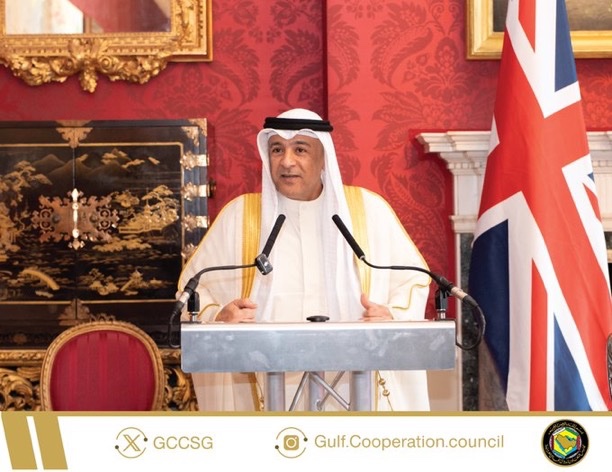
The Gulf region has become an increasingly important market for British goods, investment and services. Ministers said the agreement would provide greater certainty for businesses looking to trade and invest across the six member states. The government said the deal formed part of a wider effort to increase growth, attract investment and expand Britain’s trading relationships outside Europe.
Further details on implementation and parliamentary scrutiny of the agreement are expected in the coming months.