Although the UK has signed the treaty, it has yet to complete the parliamentary process required for ratification
The UK could miss out on a historic global oceans summit after failing to ratify the UN’s high seas treaty, environmental charities and campaigners have warned. According to a *Guardian* report, the delay risks sidelining Britain at a crucial moment for global ocean governance, even as the landmark agreement comes into force this weekend.
The high seas treaty, formally titled the Agreement on the Conservation and Sustainable Use of Marine Biological Diversity of Areas Beyond National Jurisdiction, enters into force on Saturday following more than two decades of negotiations. The agreement is designed to safeguard biodiversity in international waters, which make up nearly half of the planet’s surface.
Although the UK has signed the treaty, it has yet to complete the parliamentary process required for ratification. The legislation, introduced last September, still needs to pass through parliament and be formally deposited at the United Nations. Until that happens, the UK will remain outside the group of countries able to fully participate in the treaty’s implementation.
In a letter to the foreign secretary, the heads of 18 UK environmental charities criticised what they described as the government’s “glacial pace” in ratifying the agreement, which was officially adopted in 2023. They warned that continued delays could prevent the UK from attending the first Ocean COP summit, expected to take place later this year.
“Disappointingly, while the world celebrates, the UK is still not among the 81 countries that have signed the treaty into law,” the letter states, pointing to countries such as China, France, Japan, Spain, Mexico and Brazil that have already completed the process. The charities urged the government to finalise ratification at least 30 days before the summit, which could take place as early as August, saying failure to attend would represent a serious lapse in leadership.
The Biodiversity Beyond National Jurisdiction Bill is due for its third reading in the House of Lords on Monday. The Foreign Office has been contacted for comment.
Until now, the high seas have lacked a comprehensive legal framework for conservation because they lie beyond national borders. Supporters of the treaty say it marks a decisive shift in how these vast and fragile ecosystems are governed.
“The entry into force of the high seas treaty marks a long-awaited turning point for ocean governance,” said Dr Lance Morgan, chief executive of the Marine Conservation Institute. “For decades, these waters and their rich biodiversity were beyond the reach of effective protection. Now the global community has both the mandate and the responsibility to act.”
For the first time, the treaty allows for the creation of marine protected areas on the high seas and establishes clear rules to ensure ocean resources are used sustainably.
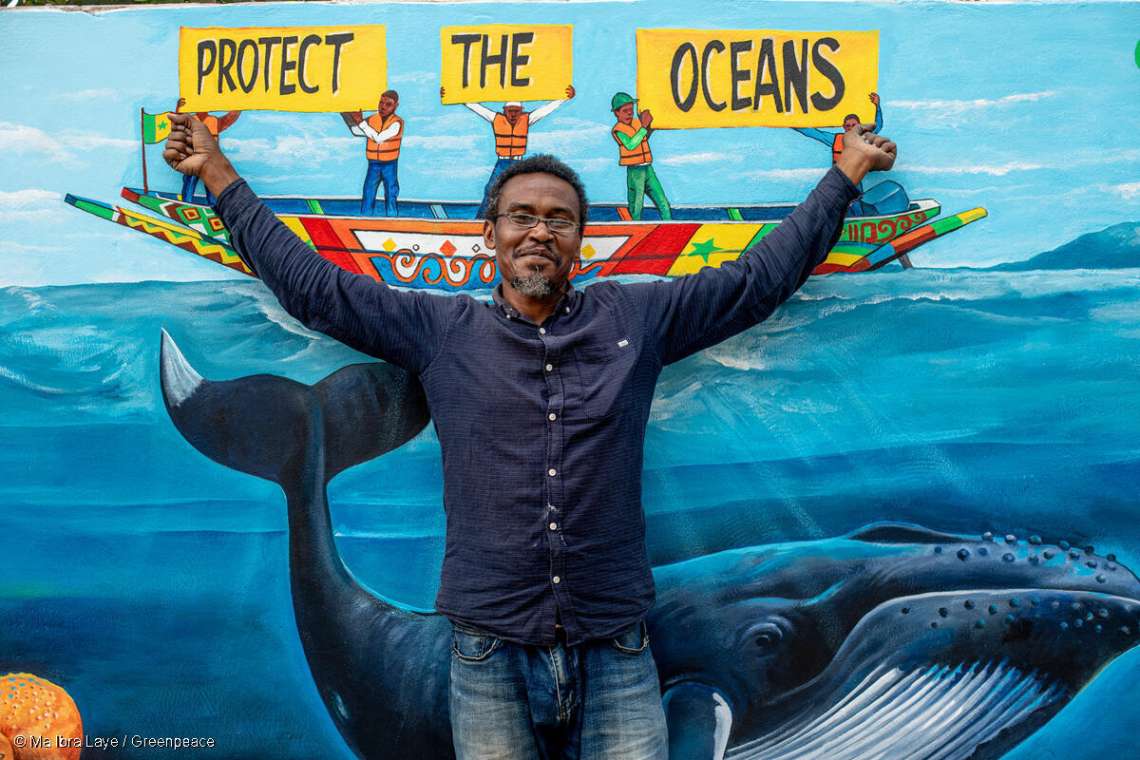
To mark the treaty’s arrival, a large-scale mural will be unveiled this weekend in St Leonards-on-Sea, East Sussex. Painted on the Bathing Hut café, the artwork forms part of a global Greenpeace-led initiative involving artists, Indigenous communities and activists from 13 countries across five continents.
A Foreign Office spokesperson said the government remains committed to ratifying the treaty through the standard parliamentary process, noting it was signed under the previous administration.