The US and UK are planning a high-level meeting in London next week to discuss an international coalition aimed at protecting commercial shipping in the Strait of Hormuz..reports London Daily News Desk
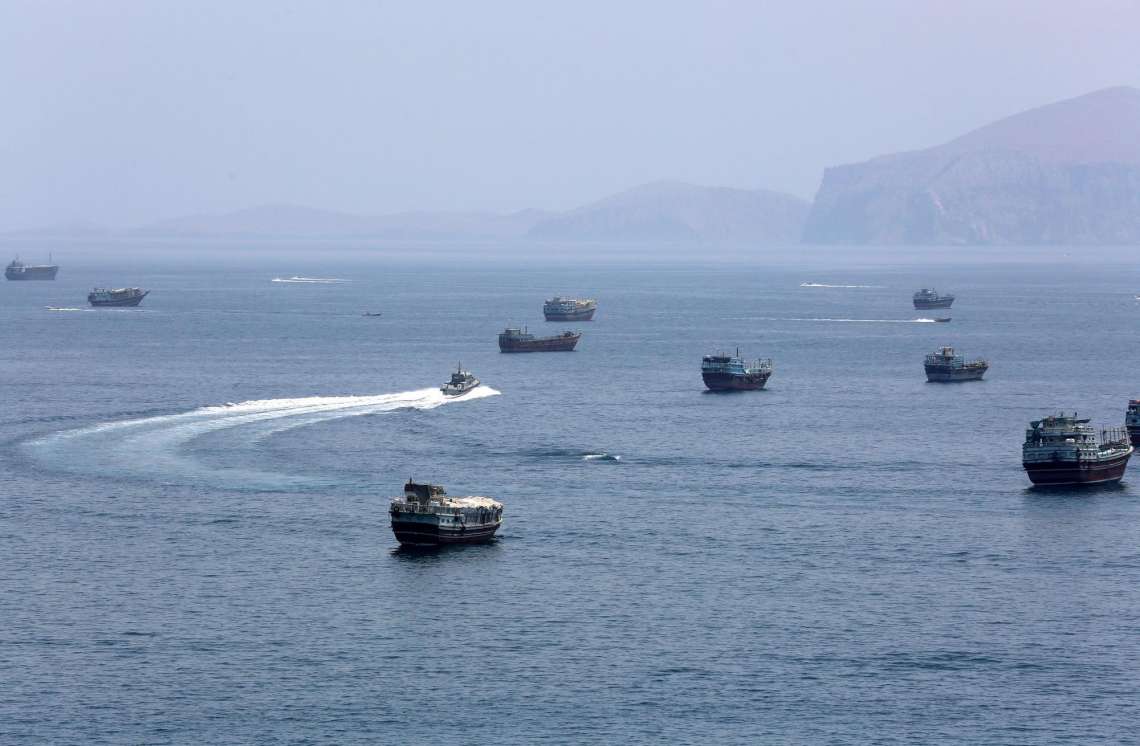
The United States and the United Kingdom are planning a high-level meeting in London next week to discuss the formation of an international coalition to safeguard commercial shipping through the Strait of Hormuz, as Western allies seek to prevent further disruptions in one of the world’s most critical energy routes.
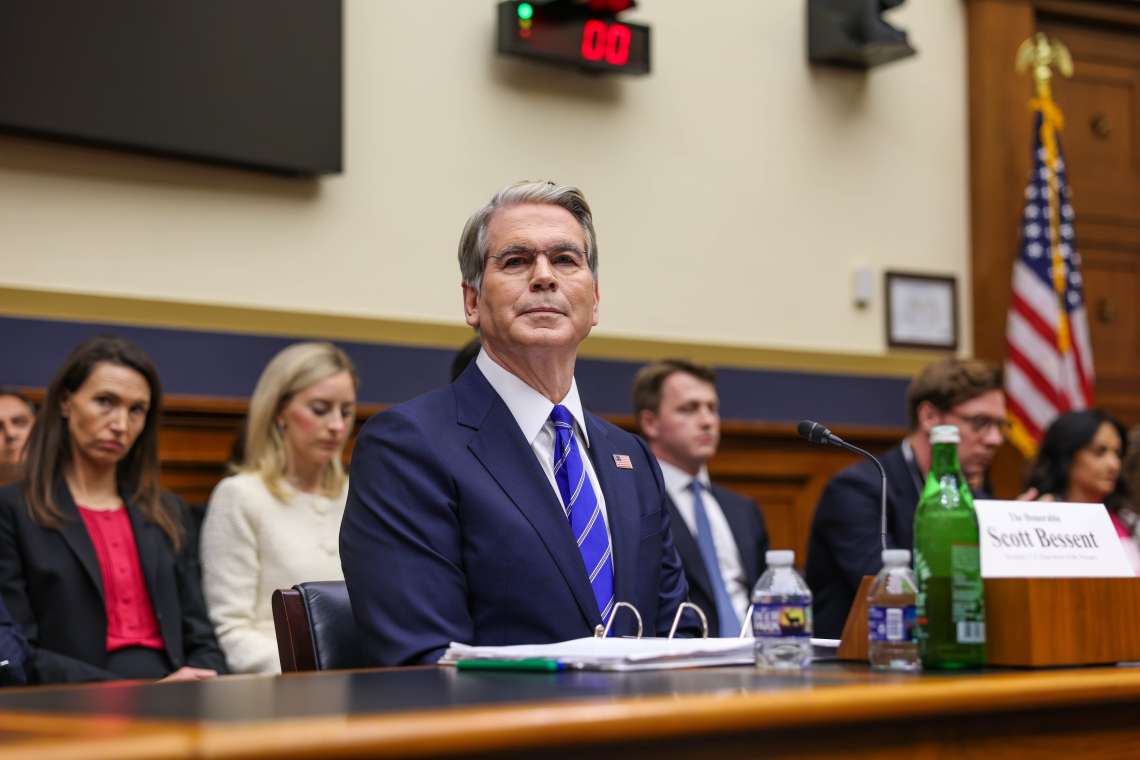
The meeting, whose date and agenda are yet to be finalised, is expected to bring together defence ministers and senior military commanders from Western countries and regional partners. US Defence Secretary Pete Hegseth and Chairman of the Joint Chiefs of Staff General Dan Caine are among those expected to attend.
The proposed coalition comes after weeks of heightened tensions in the Gulf. Since Iran began targeting vessels in the Strait of Hormuz, the US has carried out strikes against Iranian military positions along the country’s southern coast. Although no commercial ships have reportedly been attacked in recent days, US officials remain divided over whether Iran still retains the capability to threaten maritime traffic.
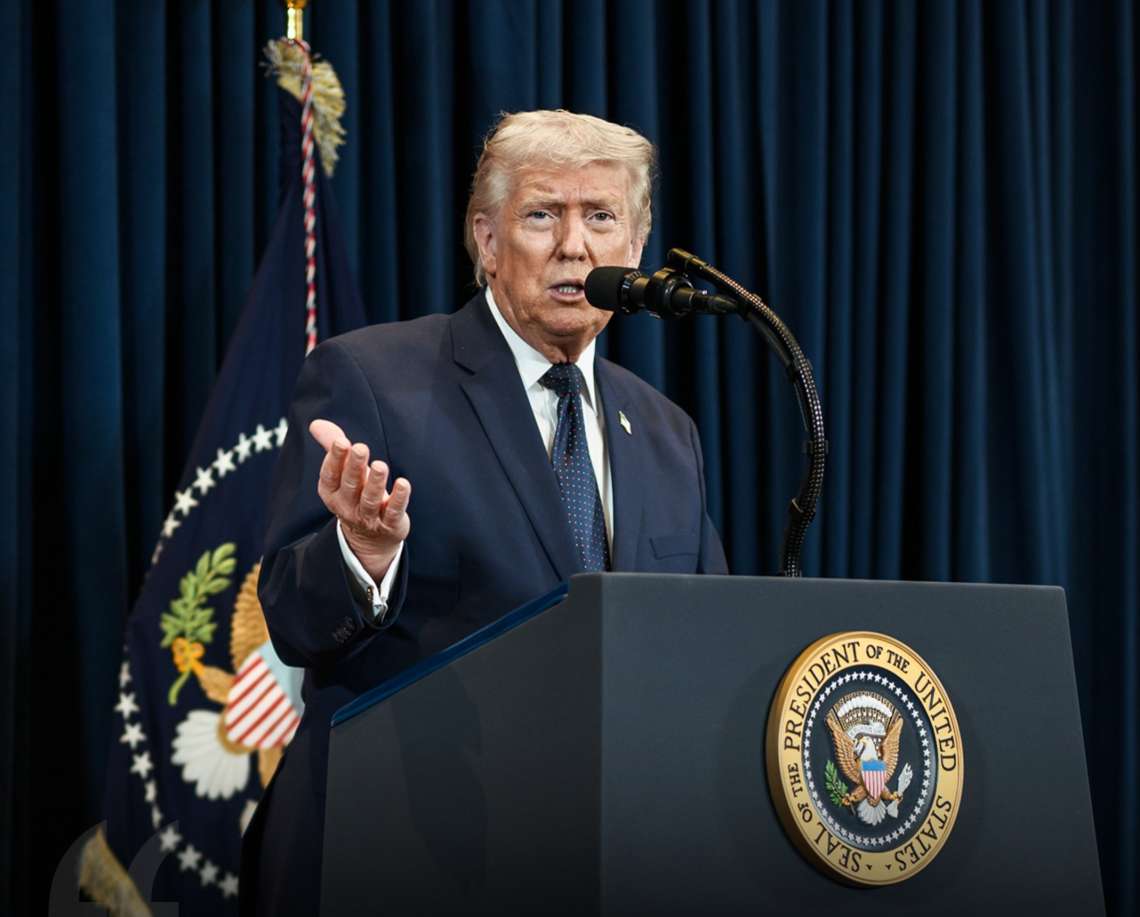
President Donald Trump has warned that the US would target key Iranian infrastructure, including bridges and power plants, if further attacks on shipping occur. Tehran responded by threatening infrastructure in Gulf nations allied with Washington.
The latest escalation followed the collapse of negotiations involving Oman, Iran and Qatar over arrangements for navigation through the Strait of Hormuz. Diplomatic efforts have since resumed, with an Omani delegation travelling to Tehran and Iranian Foreign Minister Abbas Araghchi holding discussions with regional counterparts.
Araghchi said Iran would continue to defend its interests in the strategic waterway, while also stressing that the dispute with Washington stemmed from “America’s approach” rather than a lack of mediation. Iran’s Foreign Ministry later said talks with Oman focused on ensuring maritime security and preventing further regional escalation.

According to Axios, which first reported the planned meeting, Washington hopes to build on earlier discussions led by the UK and France on creating an international maritime security mission. The report said several countries have indicated they would only participate if fighting in the Strait of Hormuz subsides sufficiently to allow safe operations.
The report added that the US is seeking contributions from allies, including naval vessels, mine-clearing ships and drones, to help secure commercial shipping lanes. A European diplomat quoted by Axios said Washington was looking for greater international support as it seeks to stabilise the region.
Meanwhile, the US Central Command (CENTCOM) said the United States’ naval blockade against Iran remains fully in effect, announcing that American forces have redirected multiple commercial vessels, boarded ships for verification, and disabled one tanker that allegedly attempted to violate the blockade.
In a post on X, CENTCOM stated: “The U.S. naval blockade against Iran remains in full effect. As of July 25, CENTCOM has redirected 12 commercial vessels trying to run the blockade, disabled 2 that didn’t comply, and boarded 2 to ensure total compliance.”
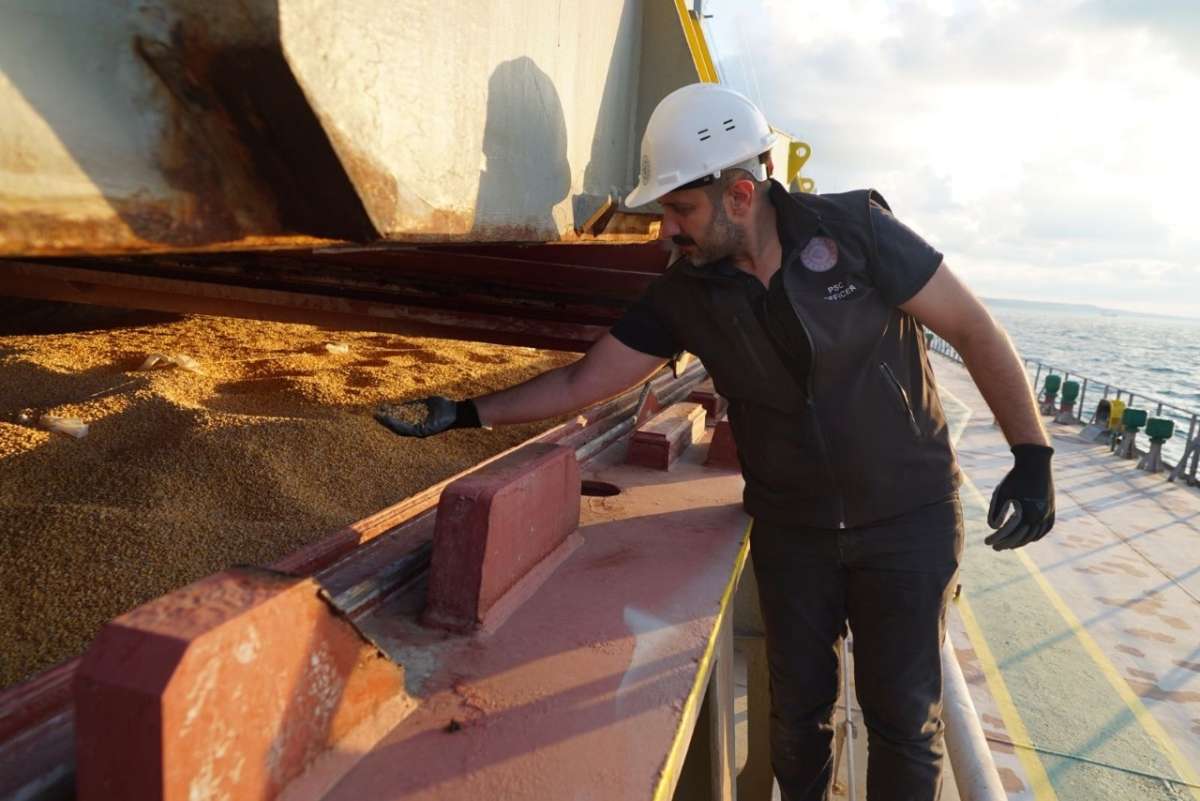
The central command said that US forces earlier completed a verification boarding of the Comoros-flagged tanker M/T Charminar in the Arabian Sea.
Describing the operation, CENTCOM said: “Earlier today, U.S. forces completed a verification boarding aboard Comoros-flagged M/T Charminar in the Arabian Sea, and the tanker is now continuing its journey.”
CENTCOM also announced action against another vessel, saying American forces had disabled the Mozambique-flagged tanker M/T Lavine in the Gulf of Oman after its crew allegedly attempted to breach the blockade.
According to the command, “CENTCOM forces disabled Mozambique-flagged M/T Lavine in the Gulf of Oman, July 24, after the crew attempted to violate the blockade multiple times and ignored repeated warnings. The ship is no longer transiting to Iran.”
The military command emphasised that US forces remain prepared for further operations in the region, stating: “American forces remain highly vigilant, focused, lethal, and ready.”
Meanwhile, in an earlier update issued on July 24, CENTCOM said it had completed the 13th consecutive night of strikes against Iran. The command said the strikes targeted Iranian military command centres, drone storage facilities, communication networks, coastal surveillance sites, and maritime capabilities as part of efforts to reduce what it described as threats posed by Iran to civilian mariners and commercial vessels transiting the Strait of Hormuz.
CENTCOM further said that the Strait of Hormuz remained open for commercial transit despite recent attacks attributed to Iran’s Islamic Revolutionary Guard Corps, adding that commercial shipping continued to navigate the strategic waterway with the support of the US military. The command also said that more than 50,000 US service members were currently operating across the Middle East as part of ongoing regional operations.