January 15, 2022
3 mins read

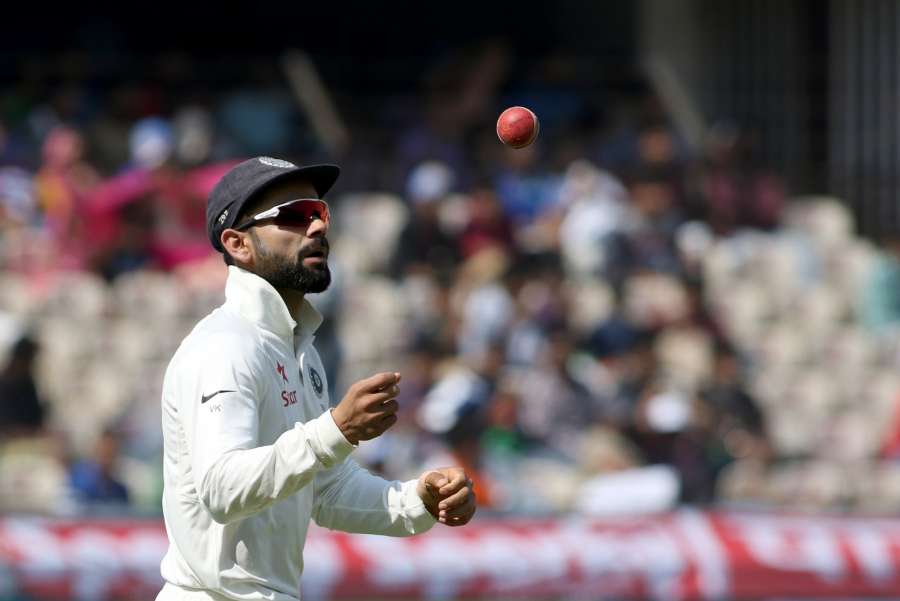
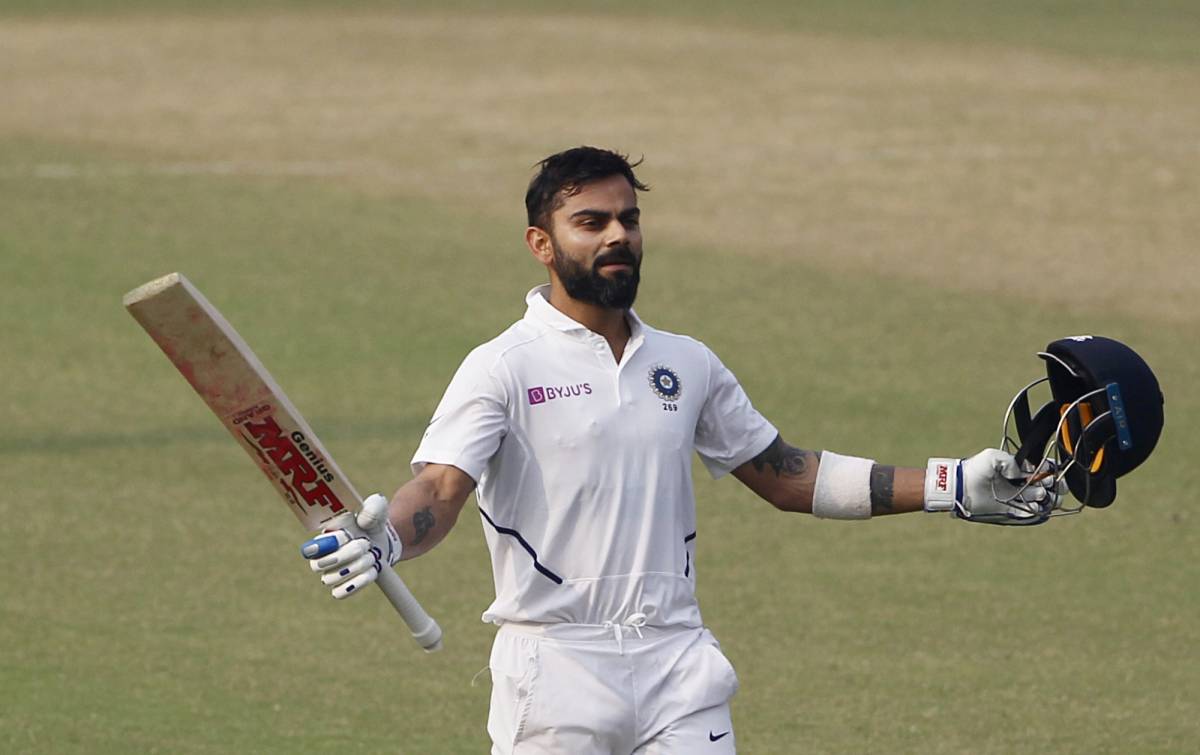
Virat Kohli quits as India Test captain

Kohli stepped down from Test captaincy as the most successful skipper in the longest format of the game for India and fourth overall, reports Asian Lite News

A day after India lost the series 1-2 to South Africa with a seven-wicket defeat at Cape Town, Virat Kohli has stepped down as the Test captain.

Kohli, who first captained India at the Adelaide Test in 2014 against Australia, was appointed to the full-time role after MS Dhoni announced his retirement from the format ahead of the fourth Test at Sydney in January 2015. It also means that the Cape Town Test was the last match of Kohli as India captain.

“It’s been 7 years of hard work, toil and relentless perseverance everyday to take the team in the right direction. I’ve done the job with absolute honesty and left nothing out there. Everything has to come to a halt at some stage and for me as Test Captain of India, it’s now. There have been many ups and also some downs along the journey, but never has there been a lack of effort or lack of belief,” said Kohli in his statement posted on his social media accounts on Saturday.

Kohli stepped down from Test captaincy as the most successful skipper in the longest format of the game for India and fourth overall. Under his time as the captain, India played 68 Tests, winning 40, losing 17 and drawing 11 matches, having a win percentage of 58.82 while registering memorable wins in overseas and home conditions.

“I have always believed in giving my 120 percent in everything I do, and if I can’t do that, I know it’s not the right thing to do. I have absolute clarity in my heart and I cannot be dishonest to my team. I want to thank the BCCI for giving me the opportunity to lead my country for such a long period of time and more importantly to all the teammates who bought into the vision I had for the team from day one and never gave up in any situation. You guys have made this journey so memorable and beautiful,” added Kohli.

The most notable victories from the time under Kohli will be the 2018/19 Border-Gavaskar Trophy win, where India won a Test series in Australia for the first time and leading 2-1 in England in the 2021 series apart from reaching the World Test Championship (WTC) final at Southampton in the same year. He also took the Indian team to the number one ranking in Tests apart from overseeing the development of the pace-attack reaching a world-class level and fitness being given prime importance.
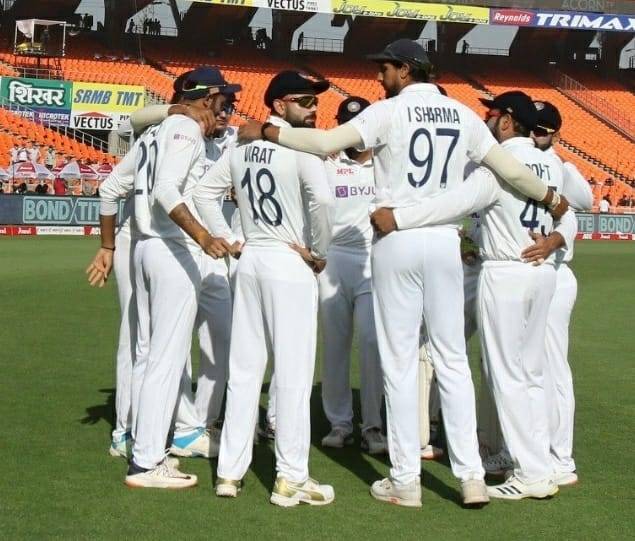
“To Ravi Bhai and the support group who were the engine behind this vehicle that moved us upwards in Test Cricket consistently, you all have played a massive role in bringing this vision to life. Lastly, a big thank you to MS Dhoni who believed in me as a Captain and found me to be an able individual who could take Indian Cricket forward,” concluded the 33-year-old Kohli.

In September 2021, Kohli had announced that he would be leaving the T20I captaincy after the Men’s T20 World Cup in the UAE. He had also stepped down as the captain of IPL side Royal Challengers Bangalore (RCB) after the completion of the second half of the tournament in the UAE. Two months later, in December, Kohli was replaced by Rohit Sharma as the ODI captain.

It will be interesting to see who becomes the next Test captain of India. The team’s next Test assignment will be against Sri Lanka in a two-match series at home in February-March.

ALSO READ: BCCI thanks India’s most successful Test captain

Newsdesk

Newsdesk

Aravind Rajeev is Deputy News Editor at Asian Lite, mostly covering the Middle East and GCC. He has over eight years of experience as a journalist, with a background in ground-level reporting, crime reporting, as well as international and regional news.

Previous Story

Telangana invites Elon Musk to ‘set shop’ in state

Next Story

BCCI thanks India’s most successful Test captain

Previous Story

Telangana invites Elon Musk to ‘set shop’ in state

Next Story

BCCI thanks India’s most successful Test captain

Latest from -Top News

PakistanĀ RisksĀ OverstretchingĀ ItselfĀ inĀ YemenĀ War

Pakistan’sĀ expandingĀ militaryĀ roleĀ inĀ SaudiĀ ArabiaĀ amidĀ theĀ YemenĀ conflictĀ couldĀ strainĀ itsĀ defenceĀ resourcesĀ andĀ fragileĀ finances…reports Asian Lite News Desk Pakistan’s military involvement in the war in Yemen may prove unsustainable because of mounting financial pressures and competing security demands, according to a new report. Islamabad’s growing military presence in Saudi Arabia risks stretching its defence resources while exposing the country to greater strategic and economic challenges. An article by Andrew Wilson in One World Outlook describes Pakistan’s involvement as a case of ā€œfiscal and strategic overreachā€, arguing that the country lacks the financial flexibility to sustain an expanded military commitment. Pakistan’s external finances depend heavily on an International Monetary Fund (IMF) programme, financial support from Gulf countries and remittances from Pakistani workers in the region. The report argues that deeper military involvement in the conflict could place additional pressure on these sources of financial stability. It also warns that deploying troops and military equipment abroad could weaken Pakistan’s capacity to address security challenges along its eastern border and deal with two domestic insurgencies. The move could also draw Islamabad into a conflict it has sought to approach cautiously. A Reuters report in May, citing Pakistani security and government sources, said Islamabad had deployed around 8,000 troops, a squadron of approximately 16 aircraft, mostly JF-17 fighter jets, two drone squadrons and a Chinese HQ-9 air-defence battery to Saudi Arabia. According to those sources, Riyadh was financing the deployment, with Pakistani personnel operating the equipment. The sources also said a confidential agreement contemplated the possibility of deploying up to 80,000 troops. Islamabad has not confirmed those figures, although it has acknowledged its military presence in Saudi Arabia, including the deployment of fighter jets at King Abdulaziz Air Base from April. The One World Outlook article argues that Saudi financial support can cover allowances and operating expenses but cannot easily replace military equipment needed elsewhere or resolve the political and strategic challenges of participating in the Yemen conflict. Pakistan’s defence budget is another concern. For the 2026-27 financial year, the federal government allocated PKR 3 trillion, or approximately $10.8 billion, to defence services. The allocation represents an 18 per cent increase from the original PKR 2.55 trillion provision and amounts to around 2.1 per cent of projected gross domestic product (GDP). Defence spending accounts for approximately 16 per cent of the federal government’s PKR 18.8 trillion expenditure. Military pensions are budgeted separately at PKR 822 billion, while debt servicing costs stand at approximately PKR 8 trillion, more than two-and-a-half times the defence allocation. The report argues that these competing financial obligations leave little room for additional military expenditure without placing further pressure on public finances. Pakistan’s reliance on IMF assistance also limits its fiscal flexibility. The country must meet the conditions attached to the programme, including a primary budget surplus target of 2 per cent of GDP and continued restraint on development spending. According to the article, these requirements make it difficult for Islamabad to finance an additional military commitment without compromising other budgetary priorities. Pakistan’s economic indicators offer limited reassurance. Economic growth for the 2025-26 financial year is estimated at between 3.6 and 3.7 per cent, while inflation reached approximately 10.3 per cent in September following an energy price shock. Foreign exchange reserves stood at around $21.5 billion at the end of September. Although this marks an improvement from the low levels recorded in 2023, the report notes that the reserves cover only a few months of imports. Financial assistance from Gulf partners remains central to Pakistan’s external stability. The article says Islamabad holds approximately $8 billion in Saudi deposits at its central bank. In July, the State Bank of Pakistan said Riyadh had extended the maturity of $5 billion in deposits to December 2028, easing the country’s immediate external financing requirements. A further $3 billion deposit was also extended in the spring. However, the article argues that these arrangements provide temporary relief rather than long-term financial independence, particularly as regional conflict threatens the stability of the Gulf economies on which Pakistan relies. The report concludes that Pakistan faces a difficult balance between supporting Saudi Arabia militarily and preserving the financial and military resources needed to address its domestic and regional challenges.

UK and Germany Ratify Kensington Treaty

Britain and Germany ratify the Kensington Treaty, agreeing new cooperation on AI, quantum research, defence and security while targeting investment, jobs and Russian hybrid threats…reports Asian Lite News Desk Britain and Germany

Economic tide is turning in Bangladesh

If there is one thing that can bring some comfort to the struggling Bangladeshi economy, it is good relations with India. Bangladesh should remember that Delhi’s backing, through easy supplies of essentials
Go toTop

Don't Miss

Selectors in fix amid Team India gird up for Asia Cup

The national selection committee led by Ajit Agarkar will be

Ultimate Destination for Cricket Enthusiasts

Bhutan Cricket also collaborates with local tour operators to facilitate