May 13, 2022
3 mins read

Emirates, South Africa Tourism board signs MoU to promote tourism

Emirates and the South African Tourism Board have signed a Memorandum of Understanding (MoU) to jointly promote tourism and boost visitor arrivals and inbound traffic to South Africa from key markets across the Emirates network…reports Asian Lite News

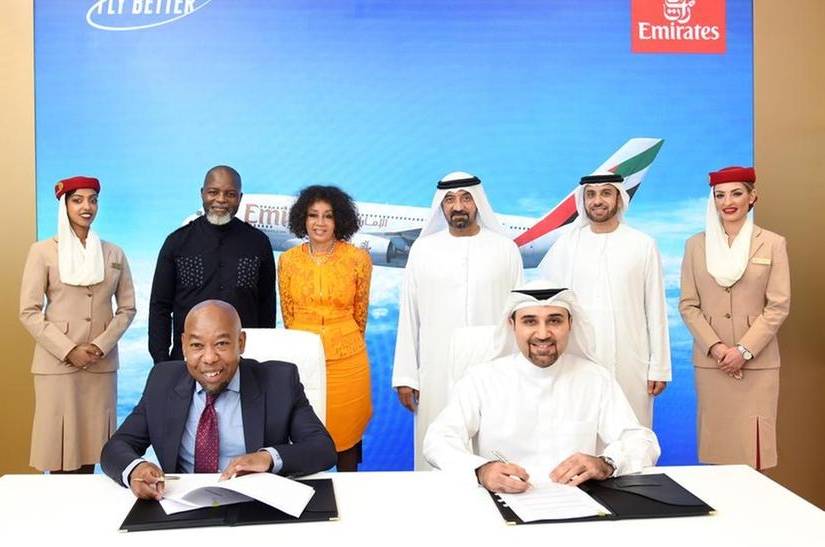
The MoU was signed by Badr Abbas, Emirates’ Senior Vice President Commercial Operations for Africa, and South Africa Tourism Board’s Acting CEO Mr Themba Khumalo in the presence of His Highness Sheikh Ahmed bin Saeed Al Maktoum, Chairman and Chief Executive, Emirates Airline & Group, and Minister of Tourism in South Africa, Lindiwe Sisulu.  Also present at the signing ceremony was Adnan Kazim, Emirates Chief Commercial Officer, and a senior government delegation from the South African Consulate in Dubai, His Excellency Consul General David Magabe and members of the South African Tourism Board.

Adnan Kazim, Emirates’ Chief Commercial Officer said: “For more than 25 years we have invested in, and grown our operations to, South Africa. We’re working hard to restore our services to pre-pandemic levels to help generate more opportunities for travellers from around the world to experience South Africa’s unique natural experiences, world-renowned cuisine, and local culture. Emirates is well-placed to support the recovery of South Africa’s tourism sector and help raise the profile of the destination again, offering convenient connections from over 130 destinations, and providing even more links for travellers who want to explore beyond our three South African gateways through our four airline partners.”

Minister of Tourism in South Africa, Lindiwe Sisulu welcomed the signing of this MoU, citing the benefits it will yield for travel between South Africa and the Middle East. “We want to continue ensuring ease of access into South Africa for Middle Eastern travellers and this collaboration will assist us in elevating our trade efforts; in terms of packaging the destination. We look forward to welcoming more travellers from the Middle East, to experience the various quality assured products and experiences that cater for this market, including; family friendly accommodation establishments and activities, a diverse offering of cuisine as well as wildlife and safari,” says South African Minister of Tourism, Lindiwe Sisulu.

“The Middle East is a critical market for South Africa so this partnership will be very instrumental in ensuring ease of access to and from South Africa for travellers from this region. This will increase direct airlift, making room for more travellers, and as our tourism sector recovers we look forward to welcoming more visitors from the Middle East.,” says South African Tourism Acting CEO, Themba Khumalo.

ALSO READ: P&G announces new commitments toward advancing Equality & Inclusion

 Aimed at supporting South Africa’s tourism recovery efforts, the partnership between Emirates and the South African Tourism Board is part of the airline’s longstanding commitment to grow the tourism market in the country. Under the MoU, Emirates will explore opportunities to promote South Africa and encourage travellers to experience the abundance of attractions that the country has to offer across its network of over 130 destinations. The South Africa Tourism Board will also work closely with the airline to support travel trade partners and tour operators across the Emirates’ network to develop and promote itineraries, introduce special packages and promotional giveaways, encourage incentives, among other marketing initiatives.

Both parties will also explore opportunities to collaborate on joint advertising and marketing campaigns, as well as familiarisation programmes to South Africa for travel trade and media representatives, among other initiatives. Emirates will also support the transport of South African Tourism’s marketing collaterals to select destinations in its network.

Emirates has been serving South Africa for 27 years, proudly connecting close to 20 million travellers to and from South Africa and Dubai and beyond to its global network, firmly establishing the airline as a long-term partner of South African aviation, tourism, and trade. Today, the airline currently serves South Africa with 26 weekly flights, including double daily services to Johannesburg, daily services to Cape Town and five weekly flights to Durban. Customers can also access popular regional destinations across South Africa via the airline’s codeshare agreements with South African Airways and Airlink, and interline agreements with FlySafair and Cemair. 
Previous Story

Oman to fast-track approval for Indian pharma products

Next Story

Roche, EHSI sign MoU to enhance the technological healthcare system in Jordan

Previous Story

Oman to fast-track approval for Indian pharma products

Next Story

Roche, EHSI sign MoU to enhance the technological healthcare system in Jordan

Latest from Arab News

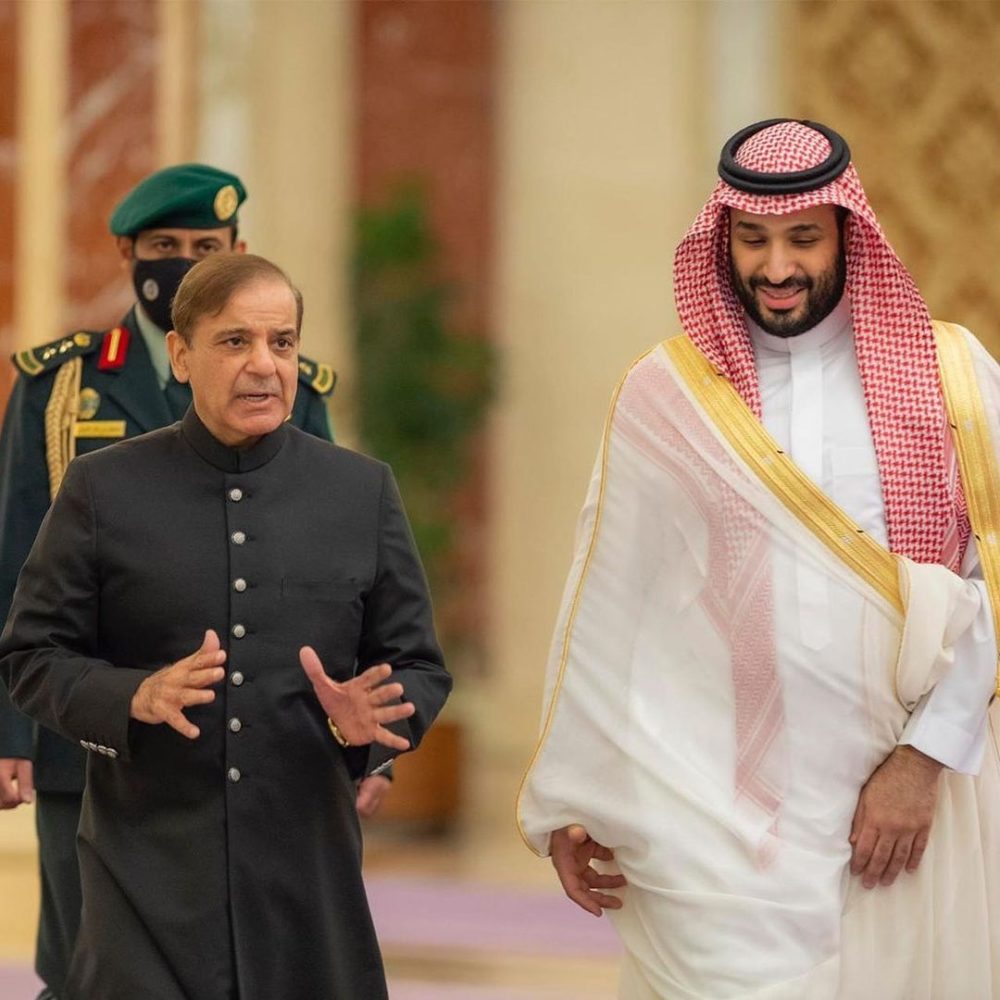
Pakistan Risks Overstretching Itself in Yemen War

Pakistan’s expanding military role in Saudi Arabia amid the Yemen conflict could strain its defence resources and fragile finances…reports Asian Lite News Desk Pakistan’s military involvement in the war in Yemen may prove unsustainable because of mounting financial pressures and competing security demands, according to a new report. Islamabad’s growing military presence in Saudi Arabia risks stretching its defence resources while exposing the country to greater strategic and economic challenges. An article by Andrew Wilson in One World Outlook describes Pakistan’s involvement as a case of “fiscal and strategic overreach”, arguing that the country lacks the financial flexibility to sustain an expanded military commitment. Pakistan’s external finances depend heavily on an International Monetary Fund (IMF) programme, financial support from Gulf countries and remittances from Pakistani workers in the region. The report argues that deeper military involvement in the conflict could place additional pressure on these sources of financial stability. It also warns that deploying troops and military equipment abroad could weaken Pakistan’s capacity to address security challenges along its eastern border and deal with two domestic insurgencies. The move could also draw Islamabad into a conflict it has sought to approach cautiously. A Reuters report in May, citing Pakistani security and government sources, said Islamabad had deployed around 8,000 troops, a squadron of approximately 16 aircraft, mostly JF-17 fighter jets, two drone squadrons and a Chinese HQ-9 air-defence battery to Saudi Arabia. According to those sources, Riyadh was financing the deployment, with Pakistani personnel operating the equipment. The sources also said a confidential agreement contemplated the possibility of deploying up to 80,000 troops. Islamabad has not confirmed those figures, although it has acknowledged its military presence in Saudi Arabia, including the deployment of fighter jets at King Abdulaziz Air Base from April. The One World Outlook article argues that Saudi financial support can cover allowances and operating expenses but cannot easily replace military equipment needed elsewhere or resolve the political and strategic challenges of participating in the Yemen conflict. Pakistan’s defence budget is another concern. For the 2026-27 financial year, the federal government allocated PKR 3 trillion, or approximately $10.8 billion, to defence services. The allocation represents an 18 per cent increase from the original PKR 2.55 trillion provision and amounts to around 2.1 per cent of projected gross domestic product (GDP). Defence spending accounts for approximately 16 per cent of the federal government’s PKR 18.8 trillion expenditure. Military pensions are budgeted separately at PKR 822 billion, while debt servicing costs stand at approximately PKR 8 trillion, more than two-and-a-half times the defence allocation. The report argues that these competing financial obligations leave little room for additional military expenditure without placing further pressure on public finances. Pakistan’s reliance on IMF assistance also limits its fiscal flexibility. The country must meet the conditions attached to the programme, including a primary budget surplus target of 2 per cent of GDP and continued restraint on development spending. According to the article, these requirements make it difficult for Islamabad to finance an additional military commitment without compromising other budgetary priorities. Pakistan’s economic indicators offer limited reassurance. Economic growth for the 2025-26 financial year is estimated at between 3.6 and 3.7 per cent, while inflation reached approximately 10.3 per cent in September following an energy price shock. Foreign exchange reserves stood at around $21.5 billion at the end of September. Although this marks an improvement from the low levels recorded in 2023, the report notes that the reserves cover only a few months of imports. Financial assistance from Gulf partners remains central to Pakistan’s external stability. The article says Islamabad holds approximately $8 billion in Saudi deposits at its central bank. In July, the State Bank of Pakistan said Riyadh had extended the maturity of $5 billion in deposits to December 2028, easing the country’s immediate external financing requirements. A further $3 billion deposit was also extended in the spring. However, the article argues that these arrangements provide temporary relief rather than long-term financial independence, particularly as regional conflict threatens the stability of the Gulf economies on which Pakistan relies. The report concludes that Pakistan faces a difficult balance between supporting Saudi Arabia militarily and preserving the financial and military resources needed to address its domestic and regional challenges.

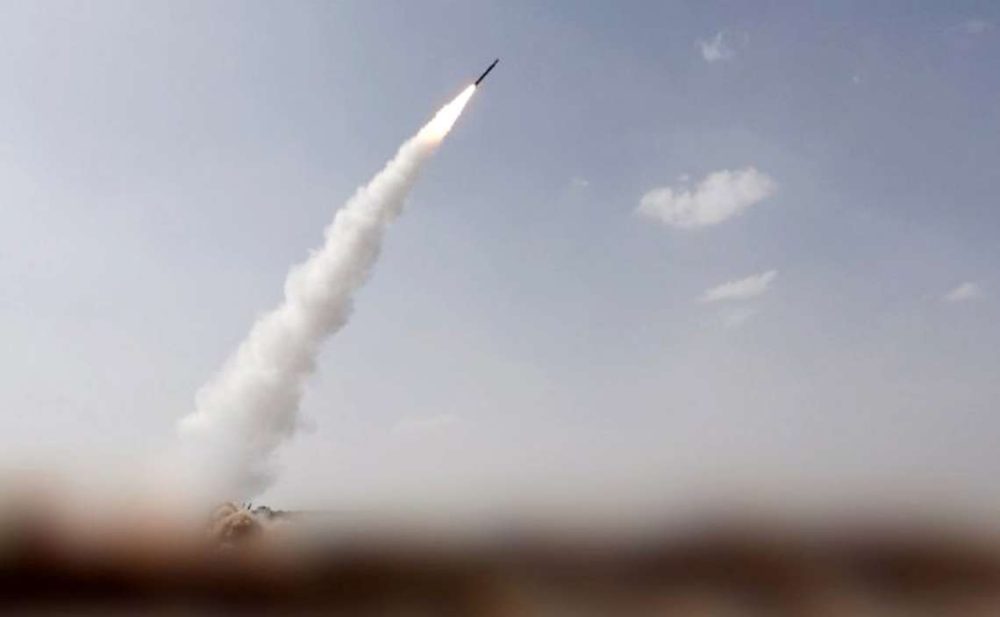
Houthis Claim Missile Strike on Riyadh Airport

Yemen’s Houthi group claims a ballistic missile struck Riyadh’s King Khalid International Airport, with Saudi authorities yet to confirm the latest attack…reports Asian Lite News Desk Yemen’s Houthi group has claimed responsibility

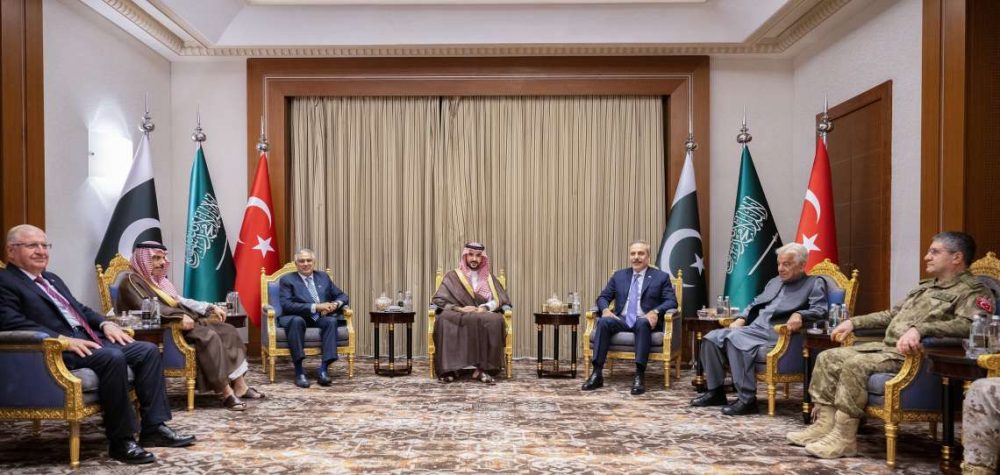
Saudi Arabia to receive forces under Mecca Defence Alliance

Saudi Arabia, Pakistan and Turkiye have activated collective-defence commitments, agreeing to deploy military capabilities as regional tensions and threats against the Kingdom persist…reports Asian Lite News Desk Saudi Arabia, Pakistan and Turkiye

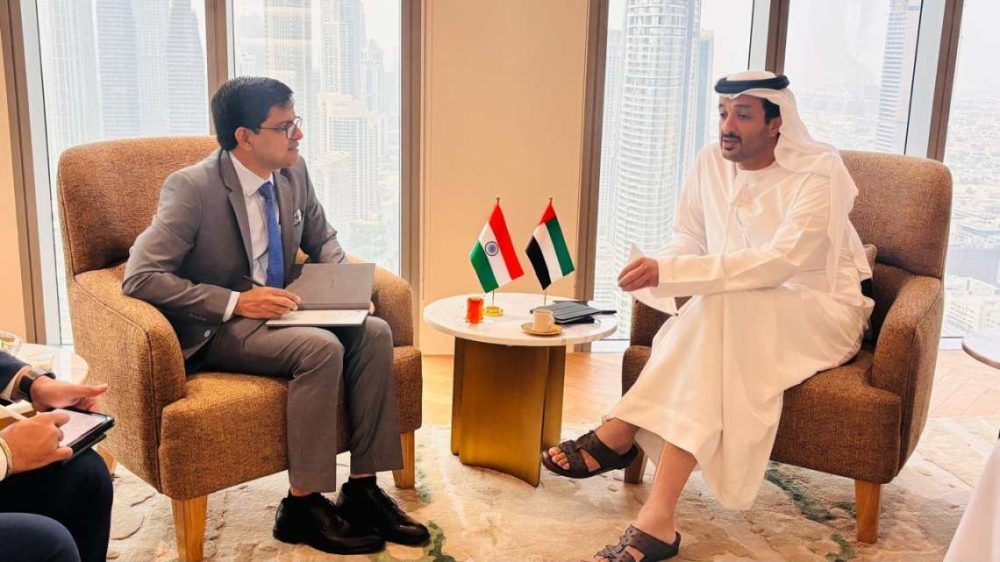
India-UAE Trade Ties in Focus

India and the UAE have discussed expanding bilateral trade, investment and business partnerships amid broader economic cooperation…reports Asian Lite News Desk India and the United Arab Emirates (UAE) discussed ways to further
Go toTop

Don't Miss

Sheikh Abdullah, Japanese counterpart discuss ties

Foreign Minister Sheikh Abdullah bin Zayed Al Nahyan has received

Dubai Municipality organizes community volunteering public cleanliness event

As part of the “Clean up the world” campaign, under