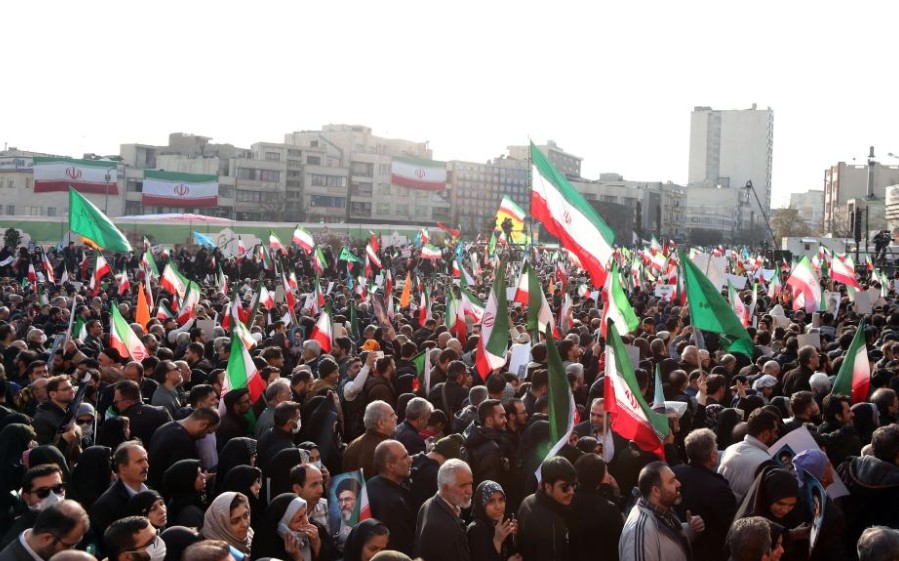
Moscow has strongly condemned recent US threats of new military strikes, warning that such actions could deepen instability after Iranian authorities moved to suppress protests
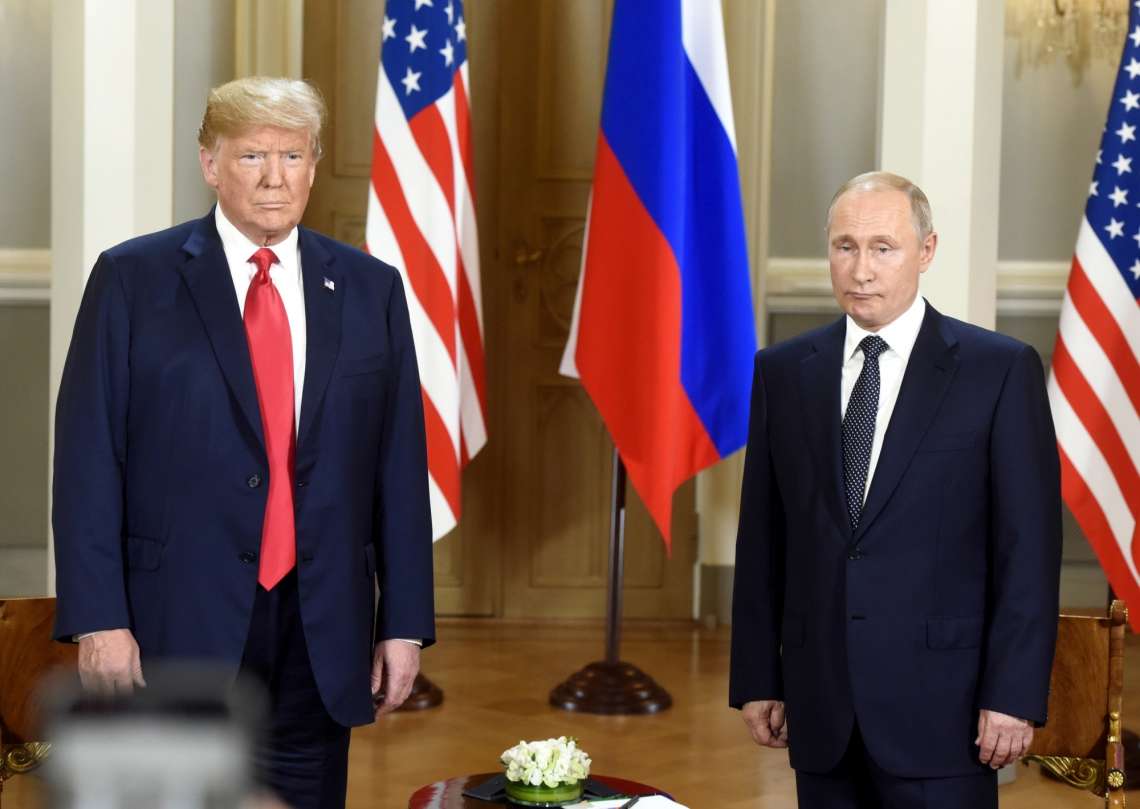
President Vladimir Putin is seeking to mediate the situation in Iran in an effort to rapidly de-escalate tensions, the Kremlin said on Friday, following separate phone conversations with Israeli Prime Minister Benjamin Netanyahu and Iranian President Masoud Pezeshkian. According to an Arab News report, Moscow is positioning itself as a diplomatic bridge amid mounting regional pressure and warnings of further escalation.
The Kremlin said Putin discussed the situation with Netanyahu, expressing Russia’s readiness to “continue its mediation efforts and to promote constructive dialogue with the participation of all interested states.” During the call, the Russian leader also shared his views on steps needed to reinforce stability across the Middle East, though no further details of his mediation proposals were disclosed.
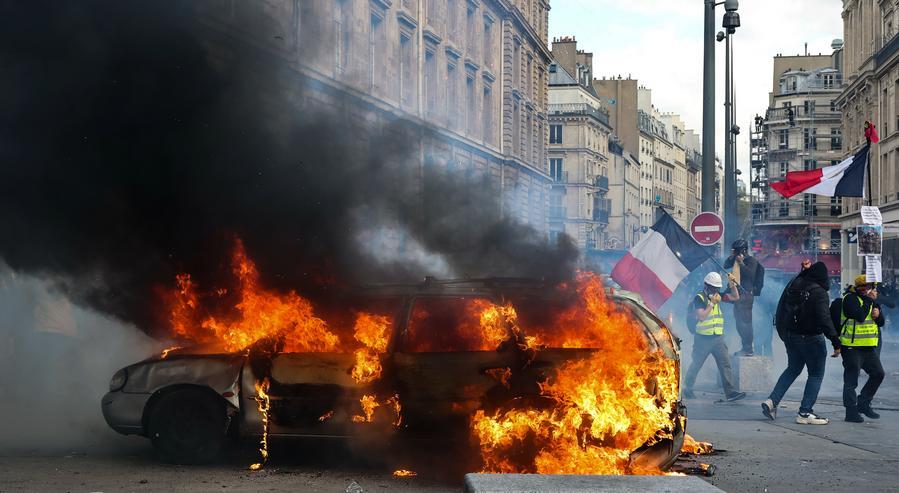
Moscow has strongly condemned recent US threats of new military strikes, warning that such actions could deepen instability after Iranian authorities moved to suppress protests that erupted late last month. The demonstrations, which began on December 28, were triggered by soaring inflation and worsening economic conditions in Iran, where years of Western sanctions have taken a heavy toll on livelihoods.
In a separate call, President Pezeshkian briefed Putin on what the Kremlin described as Tehran’s “sustained efforts” to normalise the internal situation. The two leaders agreed on the need to reduce tensions both within Iran and across the wider region as quickly as possible.
“It was noted that Russia and Iran unanimously and consistently support de-escalating the tensions — both surrounding Iran and in the region as a whole — and resolving any emerging issues through exclusively political and diplomatic means,” the Kremlin said in a statement.
Putin and Pezeshkian also reaffirmed their commitment to strengthening the strategic partnership between their countries, including cooperation on joint economic and development projects. Russia and Iran have expanded ties in recent years, particularly in energy, trade and regional security coordination.

Meanwhile, the Shanghai Cooperation Organisation (SCO), which includes Russia, China, India and Iran among its members, issued a statement opposing what it described as external interference in Iran’s internal affairs. The bloc placed responsibility for the unrest squarely on Western sanctions.
“Unilateral sanctions have had a significant negative impact on the economic stability of the state, led to a deterioration in people’s living conditions, and objectively limited the ability of the Government of the Islamic Republic of Iran to implement measures to ensure the country’s socio-economic development,” the SCO said.
Asked what tangible support Russia could offer Tehran, Kremlin spokesman Dmitry Peskov said Moscow was already playing a stabilising role across the region. “Russia is already providing assistance not only to Iran but also to the entire region, and to the cause of regional stability and peace,” he said, attributing this in part to Putin’s direct efforts to ease tensions.
The diplomatic manoeuvring comes as Washington continues to tighten pressure on Tehran. The US Treasury on Thursday announced fresh sanctions targeting Iranian officials, including Ali Larijani, secretary of Iran’s Supreme Council for National Security, further complicating efforts to calm an already fragile situation.