Wickremesinghe directed the officials to prioritise the fishing community in terms of providing them with food, gas, and fuel….reports Asian Lite News
Amidst the unprecedented economic turmoil in the country, Sri Lankan Prime Minister Ranil Wickremesinghe on Friday said that steps will be taken to mitigate the food crisis in the island nation.
Addressing a meeting of the Committee of Food Security, Wickremesinghe said that around four to five million people will be directly impacted by the food crisis in Sri Lanka, and measures will be taken to contain it, reported the Daily Mirror newspaper.
The MPs will take charge of food security programmes in 225 divisions, he added.
He ordered the formation of a committee under Parliamentarian Nimal Lansa to look into the mitigation measures and demanded the strategy preparation within two weeks.
Wickremesinghe directed the officials to prioritise the fishing community in terms of providing them with food, gas, and fuel.
Food security for children’s homes, nursing homes, and homes for persons with disabilities was given special emphasis, including the need to formulate a long-term plan for a modern agricultural system for the creation of a competitive market.
Since March this year, Sri Lanka, formerly an upper-middle-income country, has been in the grip of an economic crisis unparalleled since the country’s independence.
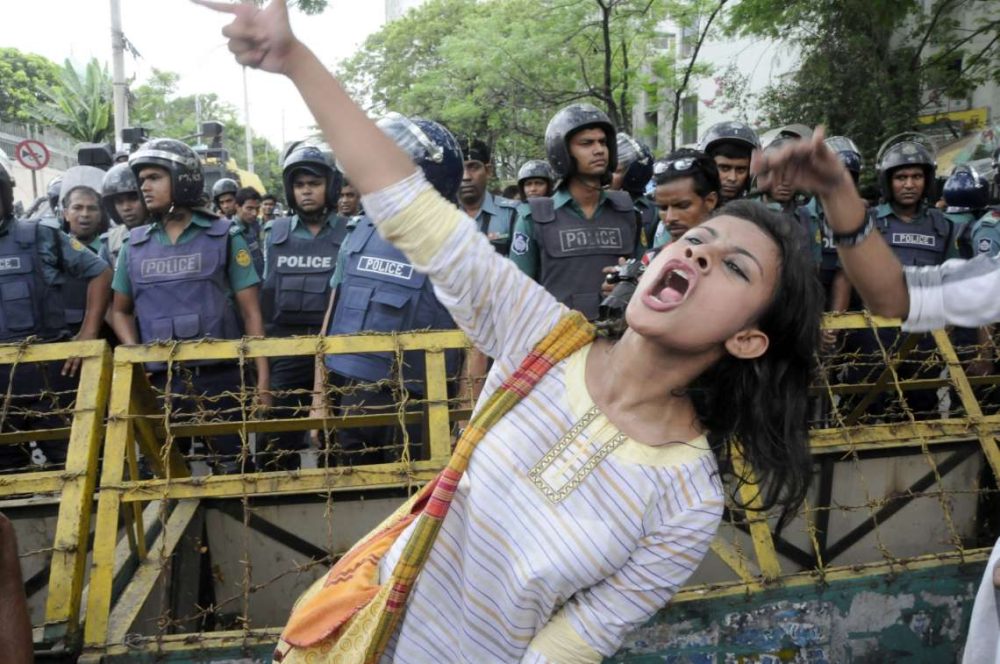
Severe protests have sparked political unrest leading to the resignation of President Gotabaya Rajapaksa’s brother Mahinda Rajapaksa from the Prime Minister’s post and the appointment of Ranil Wickremesinghe as the country’s Prime Minister in May.
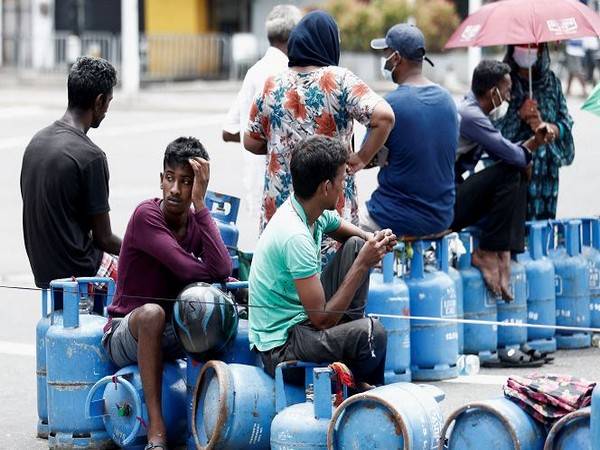
In May, food inflation stood at 57.4 per cent, while shortages of key food items, as well as fuel for cooking, transport, and industry, remain widespread, with ongoing daily power outages.
The economy is bracing for a sharp contraction due to the unavailability of basic inputs for production, an 80 per cent depreciation of the currency since March 2022, coupled with a lack of foreign reserves and the country’s failure to meet its international debt obligations.
The economic crisis has particularly impacted food security, agriculture, livelihoods, and access to health services. Food production in the last harvest season was 40 – 50 per cent lower than last year, and the current agricultural season is at risk, with seeds, fertilizers, fuel and credit shortages.
Sri Lanka is one of the few nations named by the Food and Agriculture Organization (FAO) which is expected to go without food due to the global food shortage expected this year.
A total of 22 per cent of the Sri Lankan population or 4.9 million people live in need of food assistance at the moment, a high-level UN official said.
Latest surveys reveal that 86 per cent of households are using at least one coping mechanism such as reducing food intake, including skipping meals. (ANI)