August 9, 2022
3 mins read

Sunak, Truss clash over cost-of-living crisis

The issue of inflation and how best to curb it has emerged as the main battle line in the race to 10 Downing Street, with both candidates offering different approaches…reports Asian Lite News

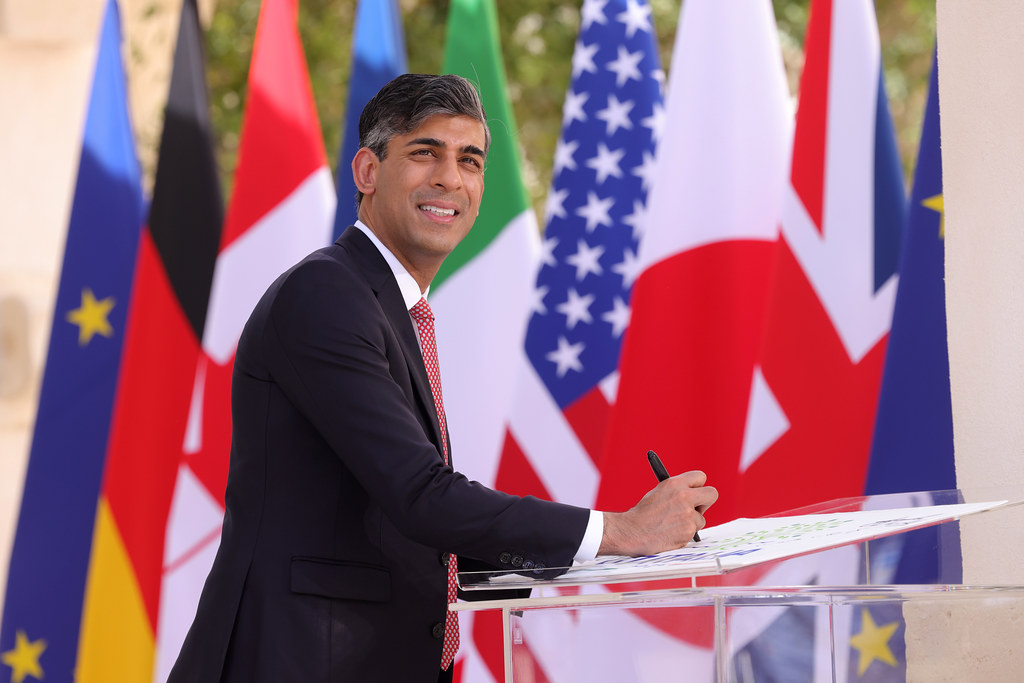
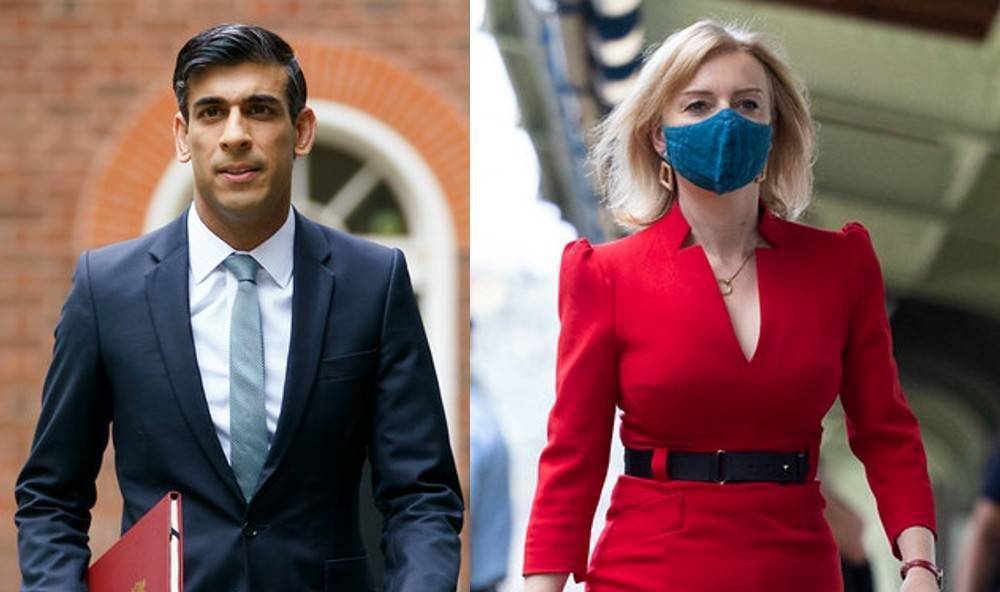
The race to elect a new Conservative Party leader, who will take charge as British Prime Minister early next month, heated up on Monday as the two finalists – Rishi Sunak and Liz Truss – clashed over their proposals to tackle the soaring cost-of-living crisis across the country.

The issue of inflation and how best to curb it has emerged as the main battle line in the race to 10 Downing Street, with both candidates offering different approaches. While Truss has pledged immediate tax cuts if elected, Sunak has promised more targeted support for the most vulnerable households and tax cuts further down the line.

A fresh row brewed out over the weekend after Foreign Secretary Liz Truss told ‘The Financial Times’ that her plan to lower taxes rather than offer handouts was more Conservative. This prompted an immediate rebuke from former Chancellor Rishi Sunak that it is “simply wrong to rule out further direct support” for struggling families this winter.

“Families are facing a long, hard winter with rising bills. Yet Liz’s plan to deal with that is to give a big bung to large businesses and the well-off, leaving those who most need help out in the cold,” Sunak writes in ‘The Sun’.

“Worse still, she has said she will not provide direct support payments to those who are feeling the pinch most. We need clear-eyed realism, not starry-eyed boosterism. That means bolder action to protect people from the worst of the winter. I have the right plan and experience to help people through,” he said.

Supporters of Truss hit back to say her remarks over the weekend had been “misinterpreted”.

“What she has, I think, rightly challenged is the wisdom of taking large sums of money out of people’s pockets in tax and then giving some of that back in ever more complicated ways,” said Trade Minister Penny Mordaunt, a supporter of the Foreign Secretary.

“She’s willing to do more to help people but her focus is around doing it in a way that puts more money in people’s pockets, creating a high-growth economy with higher wages, more people in work,” added Northern Ireland Secretary Brandon Lewis, another Truss supporter.

While Truss has pledged a package of tax cuts worth GBP 30 billion, which Sunak has argued would increase inflation and only save lower earners GBP 59 a year. However, both candidates are feeling the heat on the issue as the UK economy is expected to plunge into a year-long recession as inflation goes beyond 13 per cent later this year, according to the Bank of England forecasts from last week.

Former Labour British Prime Minister Gordon Brown, himself an ex-chancellor, warned that the cost-of-living crisis is too serious for things to wait another few weeks until a new Prime Minister is in place.

He is calling for the Cabinet Office Briefing Room A (COBRA) emergency committee to convene in “permanent session” right away and is also calling for Parliament, which is on summer recess, to be recalled as a matter of urgency unless outgoing Prime Minister Boris Johnson and both Tory leadership candidates can agree on an emergency budget in the days to come.

“Even if Boris Johnson has now gone on holiday, his deputies should be negotiating hard to buy new oil and gas supplies from other countries and they should be urgently creating the extra storage capacity that we currently lack,” Brown writes in ‘The Daily Mirror’.

Supporters of the former finance minister in the race are urging Conservative Party members, who will be voting in postal and online ballots during the course of this month, to judge Sunak by his record of supporting families through the COVID pandemic crisis as Chancellor.

Meanwhile, the bookmaker odds continue to hold strongly in favour of Truss, with the bookie odds aggregator Oddschecker showing the Foreign Secretary way ahead at 87 per cent and Sunak at 13 per cent odds of winning.

ALSO READ-Sunak’s stark inflation warning   

Previous Story

13,016 migrants have crossed Channel since Rwanda plan

Next Story

Ukraine plans more sanctions against Russia

Previous Story

13,016 migrants have crossed Channel since Rwanda plan

Next Story

Ukraine plans more sanctions against Russia

Latest from -Top News

Pakistan Risks Overstretching Itself in Yemen War

Pakistan’s expanding military role in Saudi Arabia amid the Yemen conflict could strain its defence resources and fragile finances…reports Asian Lite News Desk Pakistan’s military involvement in the war in Yemen may prove unsustainable because of mounting financial pressures and competing security demands, according to a new report. Islamabad’s growing military presence in Saudi Arabia risks stretching its defence resources while exposing the country to greater strategic and economic challenges. An article by Andrew Wilson in One World Outlook describes Pakistan’s involvement as a case of “fiscal and strategic overreach”, arguing that the country lacks the financial flexibility to sustain an expanded military commitment. Pakistan’s external finances depend heavily on an International Monetary Fund (IMF) programme, financial support from Gulf countries and remittances from Pakistani workers in the region. The report argues that deeper military involvement in the conflict could place additional pressure on these sources of financial stability. It also warns that deploying troops and military equipment abroad could weaken Pakistan’s capacity to address security challenges along its eastern border and deal with two domestic insurgencies. The move could also draw Islamabad into a conflict it has sought to approach cautiously. A Reuters report in May, citing Pakistani security and government sources, said Islamabad had deployed around 8,000 troops, a squadron of approximately 16 aircraft, mostly JF-17 fighter jets, two drone squadrons and a Chinese HQ-9 air-defence battery to Saudi Arabia. According to those sources, Riyadh was financing the deployment, with Pakistani personnel operating the equipment. The sources also said a confidential agreement contemplated the possibility of deploying up to 80,000 troops. Islamabad has not confirmed those figures, although it has acknowledged its military presence in Saudi Arabia, including the deployment of fighter jets at King Abdulaziz Air Base from April. The One World Outlook article argues that Saudi financial support can cover allowances and operating expenses but cannot easily replace military equipment needed elsewhere or resolve the political and strategic challenges of participating in the Yemen conflict. Pakistan’s defence budget is another concern. For the 2026-27 financial year, the federal government allocated PKR 3 trillion, or approximately $10.8 billion, to defence services. The allocation represents an 18 per cent increase from the original PKR 2.55 trillion provision and amounts to around 2.1 per cent of projected gross domestic product (GDP). Defence spending accounts for approximately 16 per cent of the federal government’s PKR 18.8 trillion expenditure. Military pensions are budgeted separately at PKR 822 billion, while debt servicing costs stand at approximately PKR 8 trillion, more than two-and-a-half times the defence allocation. The report argues that these competing financial obligations leave little room for additional military expenditure without placing further pressure on public finances. Pakistan’s reliance on IMF assistance also limits its fiscal flexibility. The country must meet the conditions attached to the programme, including a primary budget surplus target of 2 per cent of GDP and continued restraint on development spending. According to the article, these requirements make it difficult for Islamabad to finance an additional military commitment without compromising other budgetary priorities. Pakistan’s economic indicators offer limited reassurance. Economic growth for the 2025-26 financial year is estimated at between 3.6 and 3.7 per cent, while inflation reached approximately 10.3 per cent in September following an energy price shock. Foreign exchange reserves stood at around $21.5 billion at the end of September. Although this marks an improvement from the low levels recorded in 2023, the report notes that the reserves cover only a few months of imports. Financial assistance from Gulf partners remains central to Pakistan’s external stability. The article says Islamabad holds approximately $8 billion in Saudi deposits at its central bank. In July, the State Bank of Pakistan said Riyadh had extended the maturity of $5 billion in deposits to December 2028, easing the country’s immediate external financing requirements. A further $3 billion deposit was also extended in the spring. However, the article argues that these arrangements provide temporary relief rather than long-term financial independence, particularly as regional conflict threatens the stability of the Gulf economies on which Pakistan relies. The report concludes that Pakistan faces a difficult balance between supporting Saudi Arabia militarily and preserving the financial and military resources needed to address its domestic and regional challenges.

UK and Germany Ratify Kensington Treaty

Britain and Germany ratify the Kensington Treaty, agreeing new cooperation on AI, quantum research, defence and security while targeting investment, jobs and Russian hybrid threats…reports Asian Lite News Desk Britain and Germany

Economic tide is turning in Bangladesh

If there is one thing that can bring some comfort to the struggling Bangladeshi economy, it is good relations with India. Bangladesh should remember that Delhi’s backing, through easy supplies of essentials

DP World Lands 15-Year Bangladesh Port Deal

The agreement between the Chittagong Port Authority (CPA) and DP World covers the New Mooring Container Terminal…reports Asian Lite News Desk Bangladesh has signed a 15-year concession agreement with global ports operator
Go toTop

Don't Miss

Britons slam Noah’s ‘racist backlash’ claims against Sunak

Earlier this week, Sunak, 42, became the first British Asian

Elections will be held in autumn, says Sunak

Sunak dangled the prospect of future tax cuts to voters