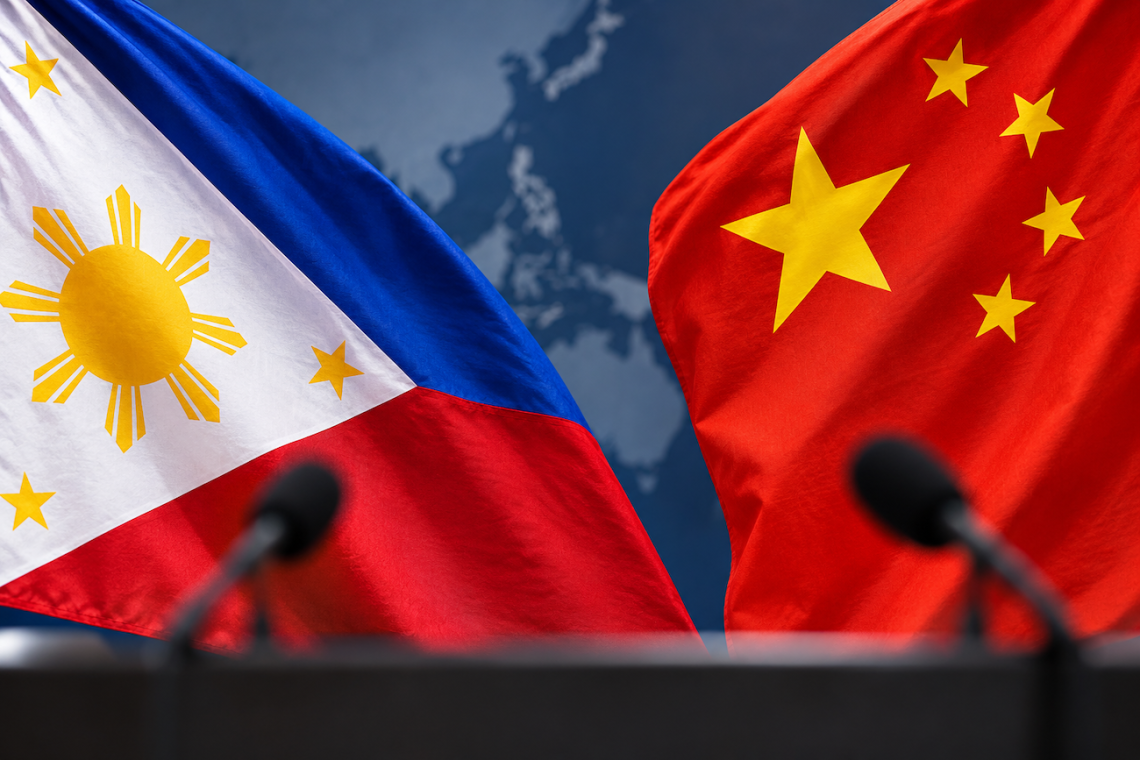
Blinken says the world “fundamentally expects” the two powers to work together on climate change, global health and possibly narcotics trafficking…reports Asian Lite News
The United States said that President Xi Jinping was leading China in a more “aggressive” direction but renewed eagerness to cooperate on shared interests as he prepares for a historic third term.
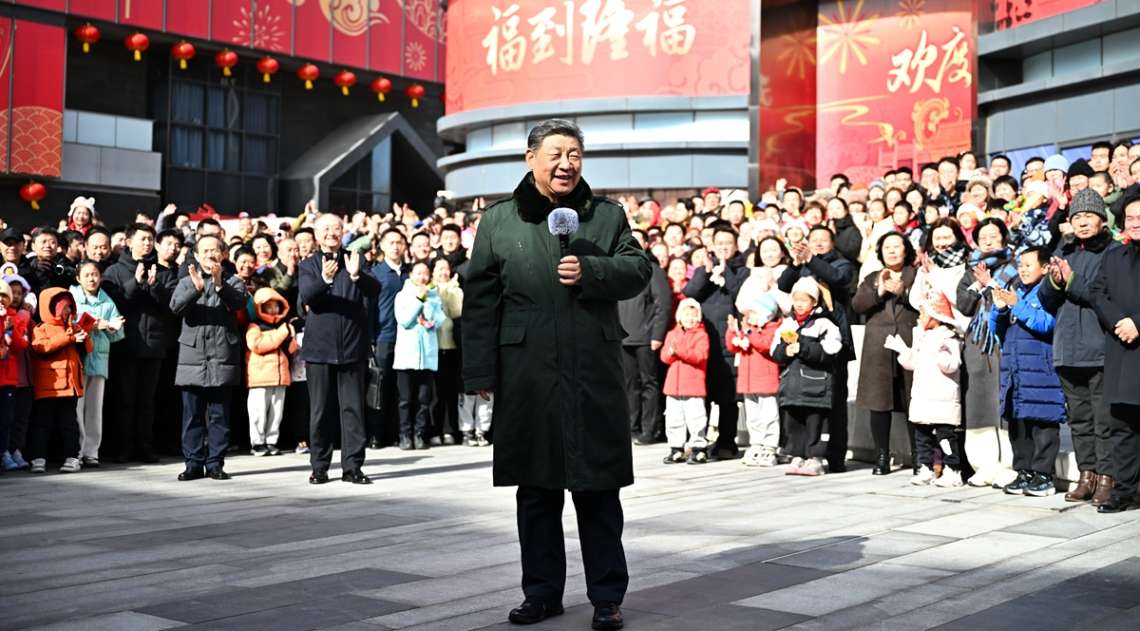
Xi on Sunday hailed his own response on Covid and corruption as he launched a Communist Party Congress that is set to give him another five years at the helm of the billion-plus nation.
“We’ve seen a very different China emerge in recent years under Xi Jinping’s leadership,” Secretary of State Antony Blinken said.
“It is more repressive at home; it’s more aggressive abroad. And in many instances that poses a challenge to our own interests as well as to our own values,” he told a forum at Stanford University with former secretary of state Condoleezza Rice.
But Blinken said that the relationship between the world’s two largest economies should not be reduced to a “bumper sticker.”
He said that the world “fundamentally expects” the two powers to work together on climate change, global health and possibly narcotics trafficking.
“We know we’re not going to be able to deal with climate as we should if China is not part of the picture,” he said.
Beijing “just has to be responsive to demand signals that it’s getting from countries around the world to be a positive actor, not a negative actor, on issues that concern them.”
Global problems “are a lot harder to solve if the United States and China are not actually engaged,” Blinken said.
Xi is widely expected to meet President Joe Biden on the sidelines of a Group of 20 Summit next month in Bali, their first meeting since the two became their countries’ top leaders.
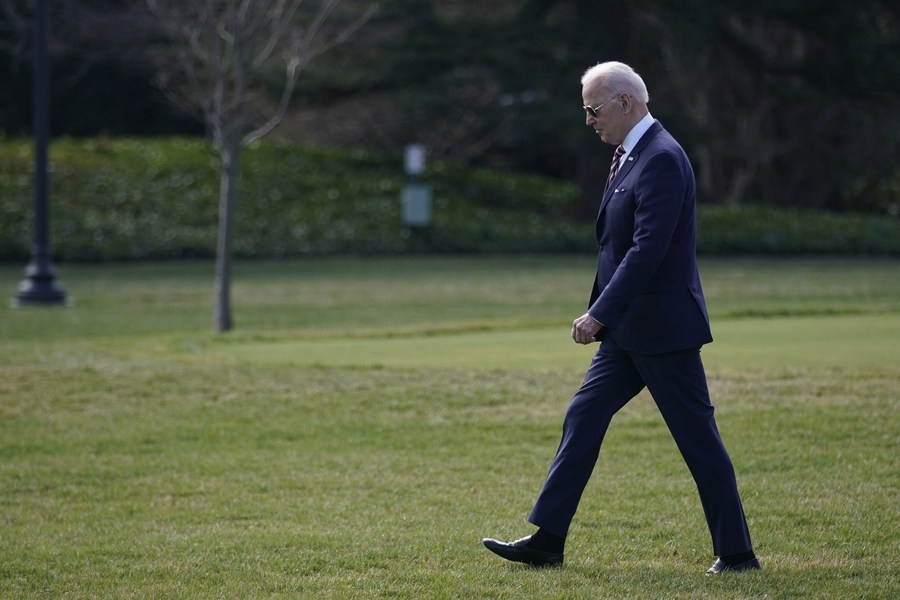
Xi hits back at Biden
Xi Jinping pledged his nation will prevail in its fight to develop strategically important tech, underscoring Beijing’s concern over a US campaign to separate it from cutting-edge chip capabilities.
“We will focus on national strategic needs, gather strength to carry out indigenous and leading scientific and technological research, and resolutely win the battle in key core technologies,” Xi said in a speech Sunday at the opening of the ruling Communist Party’s twice-a-decade congress in Beijing.
Xi said the world’s No. 2 economy will speed up innovation in areas that are vital to “technology self-reliance,” adding that “China will move faster to launch a number of major national projects that are of strategic, big-picture and long-term importance.” He didn’t give details on those efforts.
The comments illustrate how China plans to deal with the US placing new restrictions on tech exports that could undercut its ability to develop broad sections of its economy such as semiconductors, supercomputers, surveillance systems and advanced weapons.
The focus on science was “a reflection on just how much Xi Jinping is betting on innovation as a solution to China’s economic problems and to its reliance on Western technology,” said Neil Thomas, a China analyst at Eurasia Group Ltd., a political risk advisory firm.
“That’s super significant. It really shows his increasing priority that this is his big bet basically for the future of China.”
Earlier this month, the US Commerce Department unveiled sweeping regulations that limit the sale of semiconductors and chip-making equipment to Chinese customers, striking at the foundation of the country’s efforts to build its own chip industry. The US also added 31 organizations to its unverified list, including Yangtze Memory Technologies Co. and a subsidiary of leading chip equipment maker Naura Technology Group Co., severely limiting their ability to buy hardware from abroad.
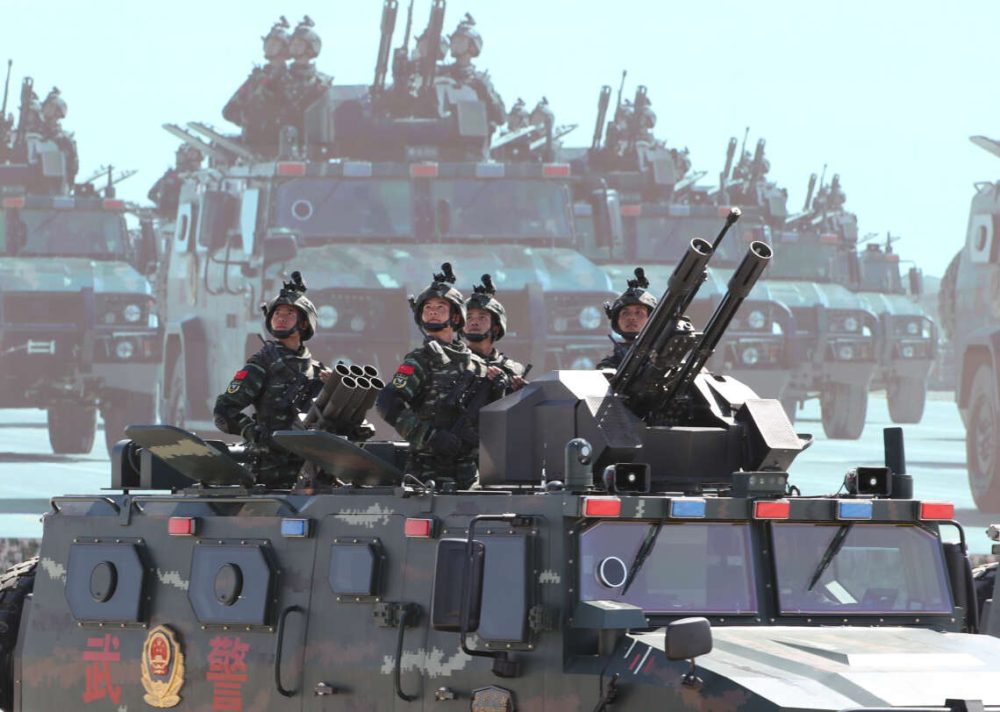
Those moves were the Biden administration’s most aggressive yet as it tries to stop China from developing capabilities it sees as threatening. The US is seeking to ensure that Chinese companies don’t transfer technology to the People’s Liberation Army, and that chipmakers in China don’t develop the capability to make advanced semiconductors themselves.
Depending on how broadly Washington enforces the restrictions, the impact could extend well beyond semiconductors and into industries that rely on high-end computing, such as electric vehicles, aerospace and smartphones.
Beijing has criticized the expanded US curbs on its access to semiconductor technology, saying they will harm supply chains and the global economy. Foreign Ministry Spokeswoman Mao Ning said the measures — which start to go into force this month — are unfair and will “also hurt the interests of US companies.”