The increasing cost of labour and Beijing’s promotion of automation have disproportionately affected China’s low-skilled workforce….reports Asian Lite News
The crunch of skilled labour is hampering Beijing’s dreams of becoming a manufacturing hub as most of the domestic and foreign firms are relocating their operations outside China, reported The HK Post.
The less-educated and low-income workers make up about 70 per cent of the workforce. The increasing cost of labour and Beijing’s promotion of automation have disproportionately affected China’s low-skilled workforce. On one hand, the increase in the wages of low-skilled labour due to its shortage has forced several major domestic and foreign firms to relocate their operations to lower-wage countries or to eschew expansion plans in China, leaving large numbers of China’s low-skilled labourers unemployed.
On the other, the automation push by Beijing in the form of the use of robotics to boost industrial productivity, eliminate inefficient manual processes, and increase the efficiency of domestic manufacturing has put at risk the jobs of at least 100 million low-skilled workers.
Most of them work in sectors such as agriculture and textile manufacturing that rely on autonomous equipment to boost output, reported The HK Post.
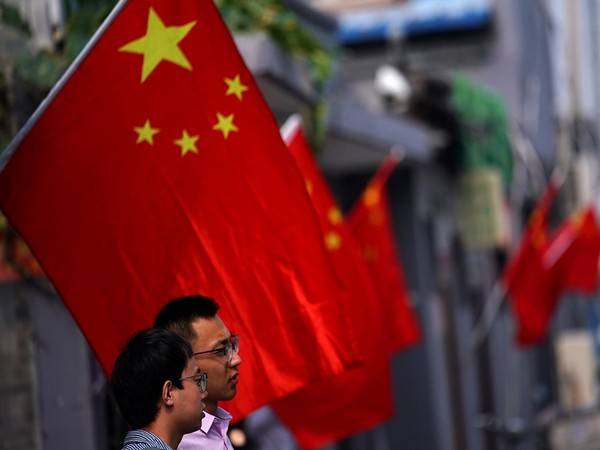
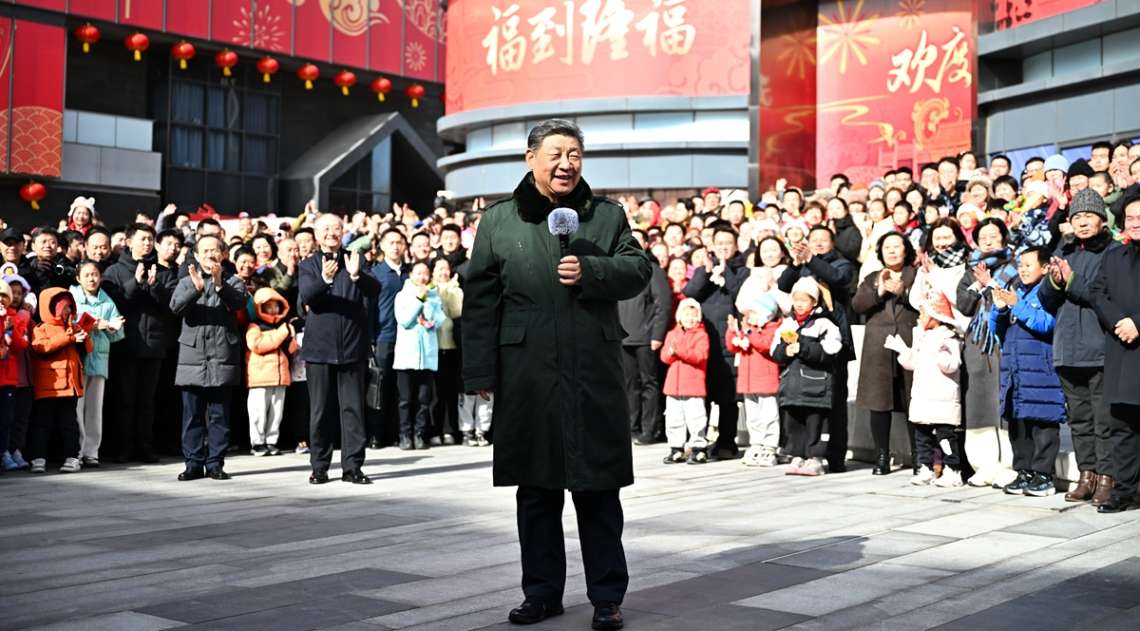
Chinese President Xi Jinping’s efforts to transform the People’s Republic of China (PRC)’s economy into a global centre of advanced manufacturing face a major challenge today in the form of a shortage of skilled labour, especially, the low-skilled.
Inadequate vocational training opportunities are one of the major reasons for the crisis. Beijing’s non-university up-skilling program, which has been retraining millions of low-skilled workers since 2019, is probably languishing because of corruption, foreign firms’ lack of interest in establishing advanced vocational schools in the PRC, and a dearth of workers with the foundational knowledge needed to enrol in the programme, reported The HK Post.
Besides, the PRC’s vocational school system has outdated content, a shortage of teaching expertise, and a high dropout rate because of underinvestment in education and a lack of enforced accountability standards.
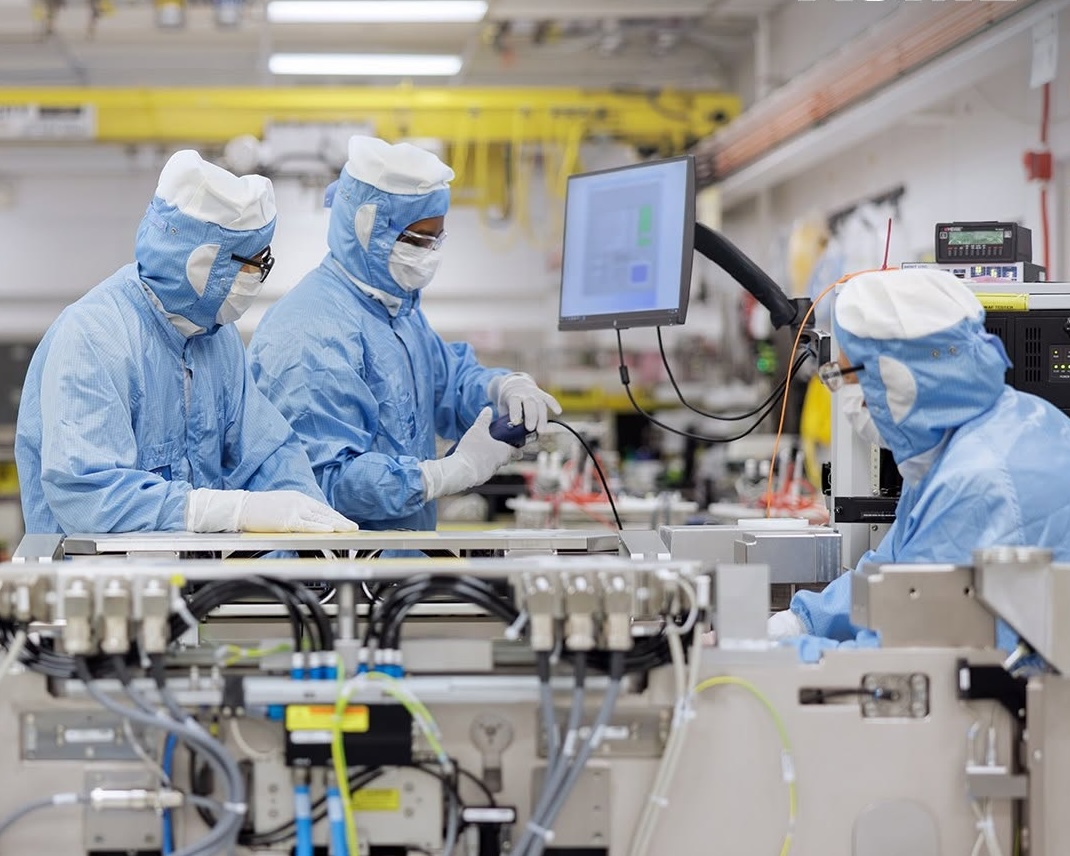
With regard to a high-skilled workforce, experts claim that China’s technology industry will be short 10 million employees by 2025; the semiconductor industry already struggles to fill 200,000 to 300,000 high-skilled jobs because of the lack of qualified applicants.
Beijing probably needs to increase investments in basic education and enforce higher standards at China’s vocational schools to produce the high-skilled workers that are needed to develop advanced manufacturing industries, reported The HK Post.
China’s low levels of education funding go primarily to an elite urban minority, and, as of 2020, only about 14 per cent of China’s population had graduated from secondary school, whereas, high-income countries with advanced manufacturing sectors routinely graduate at least three-quarters of their populations.
The dwindling manufacturing prowess of China has only aggravated its economic woes. Beijing’s debt has grown substantially over the past decade posing one of the biggest economic challenges to the Chinese Communist Party.
Coupled with a shortage of low-skilled workforce, an absence of high-skilled workers will probably make it even more difficult for Beijing to accelerate technological innovation and offset future drags on GDP growth, such as an ageing population and diminishing returns on state investment, reported The HK Post. (ANI)