The US Treasury has issued a lot of government debt in recent months, and with expensive wars in Ukraine and the Middle East looming, more are expected. …reports T.N Ashok
The US Federal Reserve may have to hold back interest rate hike for some time now as its 19 months of historic hikes to tamp down on inflation is driving consumer prices high on car loans, housing mortgages are the highest, realty rates unattainable and fuel prices are soaring, US media reported quoting financial consultants and Wall Street experts.
The theme of “higher for longer” has dominated market speak — that’s the idea that the Federal Reserve will keep interest rates elevated for a prolonged period of time to bring inflation down. But a rise in long-term US Treasury Bond yields could be achieving the same result for the Fed. That could end the past 19 months of historic interest rate hikes meant to contain inflation, CNN quoted experts as saying.
It’s no longer “higher for longer”, said Steve Sosnick, chief strategist at Interactive Brokers, it’s just “high for long”.
The 10-year US Treasury Bonds, the most widely traded paper across financial markets in the world because of its steady yields and retained as reserve currency, has shown its yields are flirting with 5 per cent for the first time since 2007, before the global financial crisis. The 30-year fixed rate mortgage has moved to as high as 8 per cent — never witnessed since the dot-com bubble burst in 2000.
Rates may fluctuate, but it’s pretty much clear that we’re in the middle of a paradigm shift, says Rob Almeida at MFS Investment Management. It’s unlikely that rates will return to pre-pandemic lows, he said.
The reasons for the 10-year bond paper to advance so quickly since last year are not far to seek. It stood at 4 per cent.
The US Treasury has issued a lot of government debt in recent months, and with expensive wars in Ukraine and the Middle East looming, more are expected. Those things bring down bond prices and push yields higher, attracting buyers, who shift from stocks that don’t rise correspondingly.
The treasury bonds started losing ground early this week after hammering the stock markets for 52 weeks continuously. Regardless of why it’s happening, for American consumers, an elevated 10-year Treasury return means economic pain — more costly car loans, credit card rates and even student debt, the analysts said.
This also entails high mortgage rates. They tend to track the yield on 10-year US Treasuries. When Treasury yields go up, so do mortgage rates; when they go down, mortgage rates tend to follow.
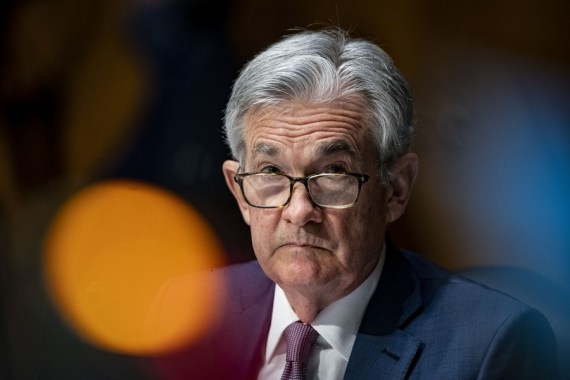
While it may be bad for the US economy as a whole, the trend tends to be good for bringing prices down. Fed officials, including its Chairman Jerome Powell, have indicated that rates could be high enough to help lower inflation towards their target goal of 2 per cent. But they’re leaving the door open for further hikes based on future economic data. And this is worrying for the investors in the stock markets.
“Financial conditions have tightened significantly in recent months, and longer-term bond yields have been an important driving factor in this tightening,” Fed Chair Jerome Powell said during a discussion at the Economic Club of New York on Thursday, adding that the Fed will “remain attentive to these developments”.
Markets follow his decisions closely, and investors seem to think Fed members will keep interest rates static at the central bank’s next two-day policy meeting, beginning on Halloween. Financial markets currently see a 99 per cent chance that the Fed will continue to pause rate increases, according to the CME FedWatch Tool. That’s up from 93 per cent on Wednesday.
“If you think of an investment portfolio like a rock band, bonds would be the bass guitar,” said Darrell Cronk, Chief Investment Officer of Wealth and Investment Management at Wells Fargo. The bass can fade into the background, but it plays a critical function in keeping the band’s rhythm and tempo, reports said.
During bullish trends in the markets, Bonds, or Treasuries, often go ignored, but provide a steady stream of income during more volatile times. “It’s rare that a bass player steps to the front of the stage, but that’s exactly what US Treasury securities have done over recent months,” said Cronk.

“The green and red lights may flash, and the wailing lead singers on your television screen may try to convince you that this time will be different, but from the back of the stage, the quiet bass guitarist provides the rhythmic repetition that grounds the music in fundamentals tested through time,” said Cronk.
America’s housing market freezes as sales hit a 13-year low:
Home sales dropped across the US in September to the lowest level since the foreclosure crisis as surging interest rates and climbing home prices deterred customers from buying new homes Anna Bahney, an analyst at Wells Fargo bank said .
With a low inventory of homes for sale, prices of new houses shot up and rates that crossed over 7 per cent in August have pulled down sales to their lowest level in 13 years, according to a monthly report from the National Association of Realtors.
The median price for existing homes — which include single-family homes, townhomes, condominiums and co-ops — was $394,300 last month. That was up 2.8 per cent from a year ago and marked the third consecutive month of year-over-year price increases, setting a record high price for homes in September, reports said .
Prices rose in all four regions of the country, the Northeast, Midwest, South and the West, the NAR report found. “For the third straight month, home prices are up from a year ago, confirming the pressing need for more housing supply,” Lawrence Yun, NAR chief economist said.
As the high cost to buy a home remains a barrier for many people, analysts are wondering if this temporary situation or, perhaps, a new era for homeownership. Not only are high costs excluding people from the opportunity to build equity and wealth through homeownership, the composition of who remains in the market is changing.
In September, just 27 per cent of those buying homes were first time buyers, according to NAR, matching cyclical lows and down from last month and a year ago. A more historically typical share of first time buyers would be in the high 30 per cent to low 40 per cent range.