March 30, 2024
2 mins read

‘I Don’t Sit By The Doors’: Biden Jokes About Boeing Mishaps

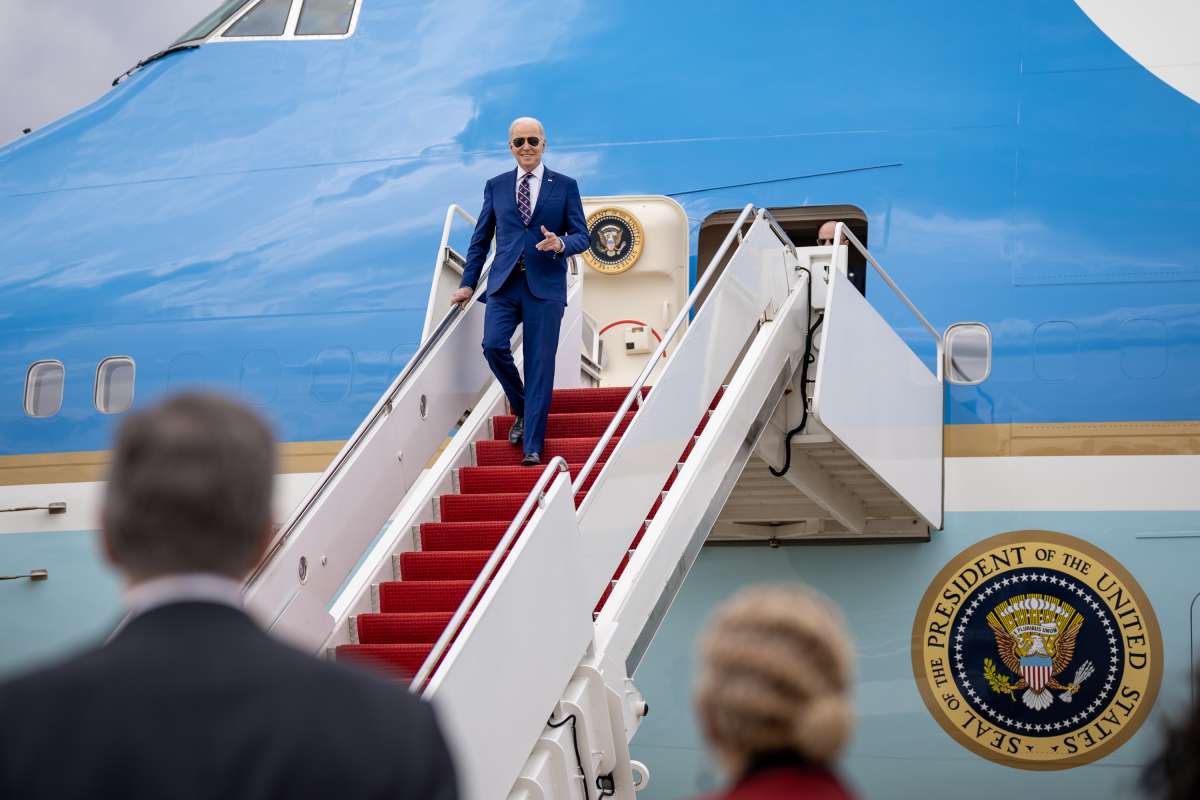
The quip came in response to a question from CBS “Late Show” host Steven Colbert about whether Transportation Secretary Pete Buttigieg had tightened the bolts on the presidential plane – which is a Boeing 747-200B series aircraft – before Biden’s trip to New York City.

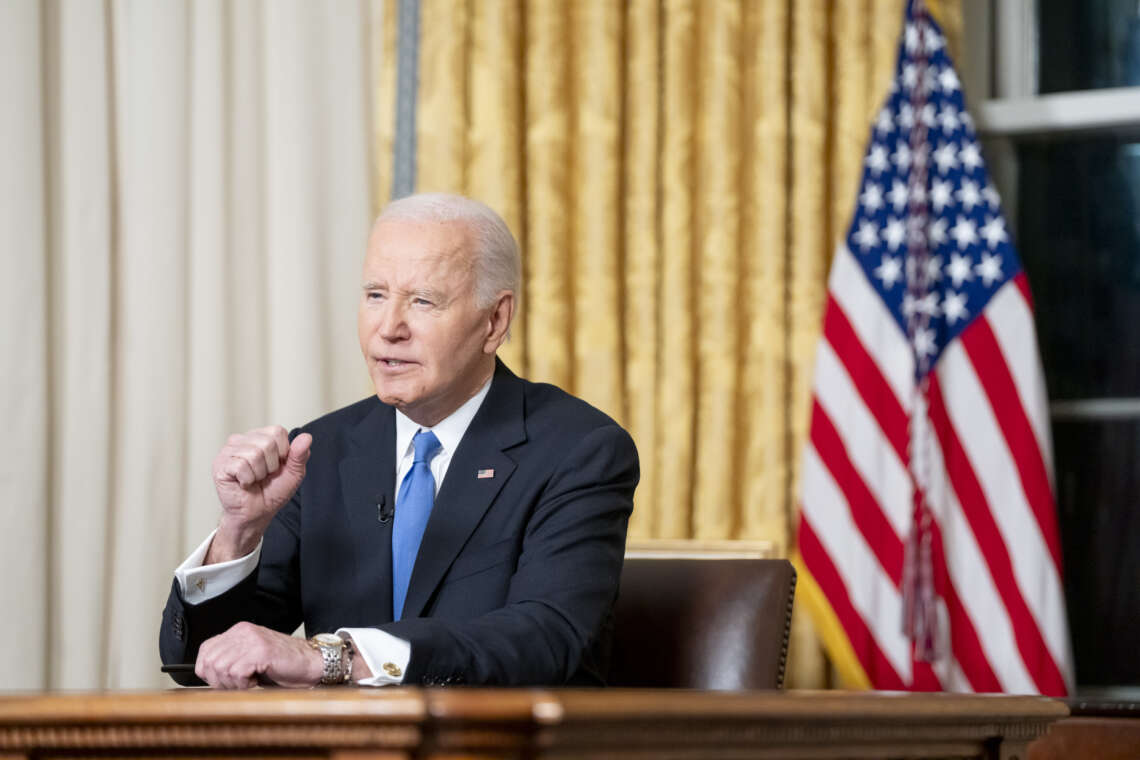
President Joe Biden joked about being away from the plane doors manufactured by Boeing, a company recently plagued by mid-flight mishaps, the New York Post reported.

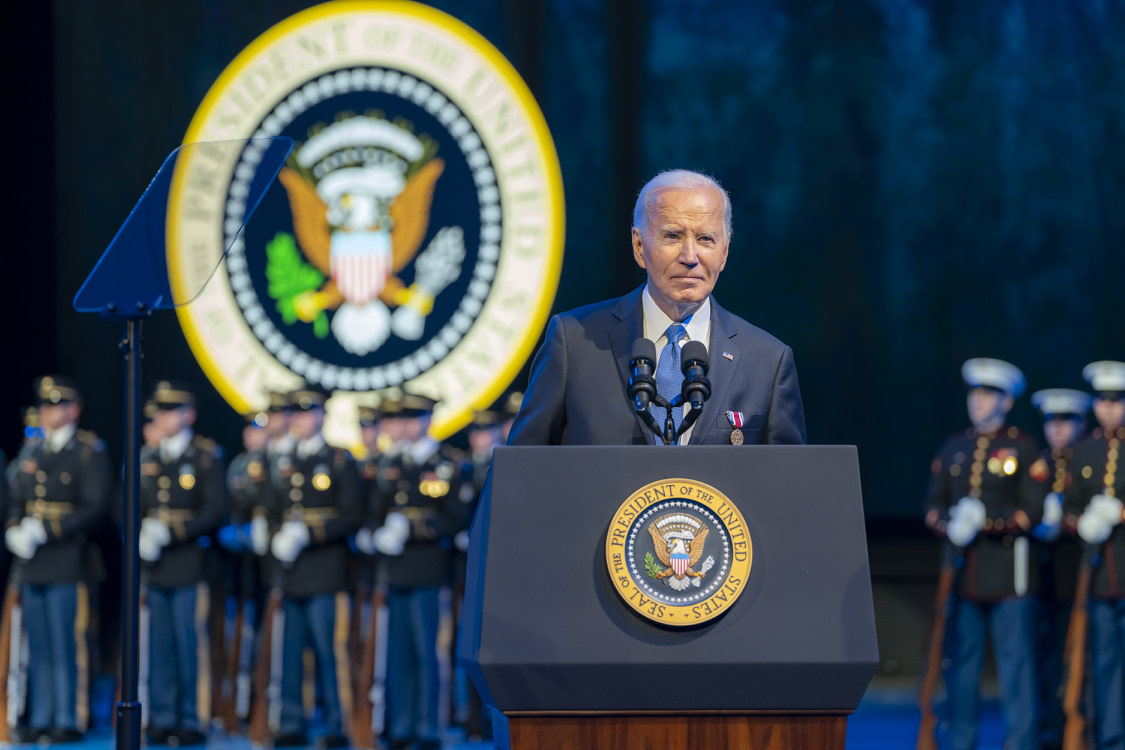
“I don’t sit by the door,” quipped the 81-year-old president, followed by a quick disclaimer, “I’m only kidding. I shouldn’t joke about that.” His remarks came during a high-dollar campaign fundraiser at Radio City Music Hall.

The quip came in response to a question from CBS “Late Show” host Steven Colbert about whether Transportation Secretary Pete Buttigieg had tightened the bolts on the presidential plane before Biden’s trip to New York City.

Boeing is one of two highly customised Boeing 747-200Bs. However, Boeing has faced scrutiny following a series of mid-flight incidents. The troubles began with a door blowout on a Boeing 737 Max 9 operated by Alaska Airlines on January 5th, leading to the grounding of all 737 Max 9s by the Federal Aviation Administration. Investigations revealed missing bolts from the rear door of the Alaska Airlines jet, adding to concerns about Boeing’s safety protocols.

Shortly after, a Boeing aircraft had to make an emergency landing in Japan due to a crack in the cockpit window, further denting the company’s reputation, according to the New York Post.

In another incident, a Delta Airlines-operated Boeing 757 lost its front tire as it was preparing to depart Atlanta International Airport for Bogota, Colombia. These incidents raised alarm bells about the reliability of Boeing’s aircraft.

Adding to the string of mishaps, a UK passenger noticed pieces of tape on the exterior of a Boeing 787 during a flight to India, raising further concerns about maintenance standards. Then, a United Airlines Boeing 777-300 experienced a midair fuel leak, necessitating an emergency landing on March 11th. Amidst these challenges, Boeing CEO Dave Calhoun announced his decision to step down at the end of the year, reflecting the company’s turbulent period.

Biden’s playful remark about avoiding the door on Air Force One brought a moment of levity to the fundraiser, but it also underscored broader concerns about aviation safety and Boeing’s ongoing challenges, New York Post reported. (ANI)

ALSO READ: Biden okays $60mn in aid after Baltimore bridge disaster
Newsdesk

Newsdesk

Aravind Rajeev is Deputy News Editor at Asian Lite, mostly covering the Middle East and GCC. He has over eight years of experience as a journalist, with a background in ground-level reporting, crime reporting, as well as international and regional news.

Previous Story

Millions of Pak women are crippled by early marriages

Next Story

Muizzu Alleges Solih Operated on ‘Foreign Envoy’s Orders’

Previous Story

Millions of Pak women are crippled by early marriages

Next Story

Muizzu Alleges Solih Operated on ‘Foreign Envoy’s Orders’

Latest from -Top News

Pakistan Risks Overstretching Itself in Yemen War

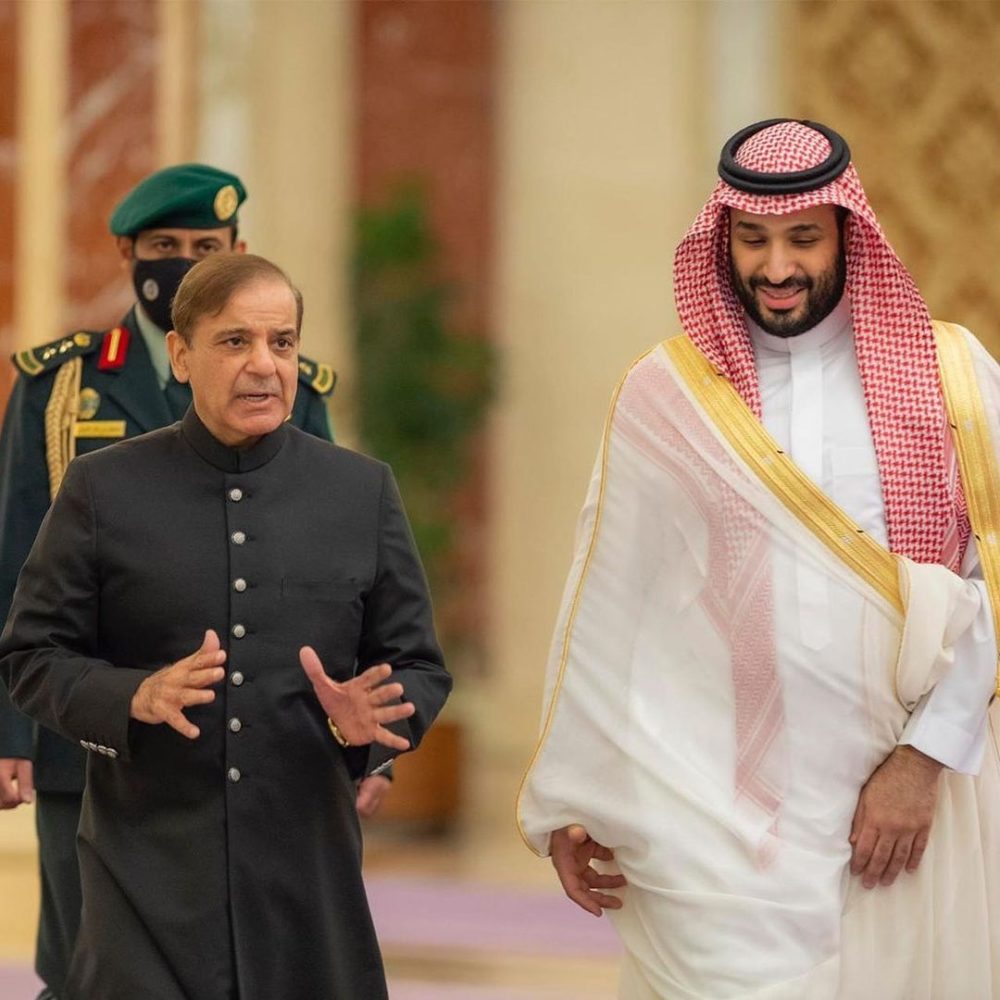
Pakistan’s expanding military role in Saudi Arabia amid the Yemen conflict could strain its defence resources and fragile finances…reports Asian Lite News Desk Pakistan’s military involvement in the war in Yemen may prove unsustainable because of mounting financial pressures and competing security demands, according to a new report. Islamabad’s growing military presence in Saudi Arabia risks stretching its defence resources while exposing the country to greater strategic and economic challenges. An article by Andrew Wilson in One World Outlook describes Pakistan’s involvement as a case of “fiscal and strategic overreach”, arguing that the country lacks the financial flexibility to sustain an expanded military commitment. Pakistan’s external finances depend heavily on an International Monetary Fund (IMF) programme, financial support from Gulf countries and remittances from Pakistani workers in the region. The report argues that deeper military involvement in the conflict could place additional pressure on these sources of financial stability. It also warns that deploying troops and military equipment abroad could weaken Pakistan’s capacity to address security challenges along its eastern border and deal with two domestic insurgencies. The move could also draw Islamabad into a conflict it has sought to approach cautiously. A Reuters report in May, citing Pakistani security and government sources, said Islamabad had deployed around 8,000 troops, a squadron of approximately 16 aircraft, mostly JF-17 fighter jets, two drone squadrons and a Chinese HQ-9 air-defence battery to Saudi Arabia. According to those sources, Riyadh was financing the deployment, with Pakistani personnel operating the equipment. The sources also said a confidential agreement contemplated the possibility of deploying up to 80,000 troops. Islamabad has not confirmed those figures, although it has acknowledged its military presence in Saudi Arabia, including the deployment of fighter jets at King Abdulaziz Air Base from April. The One World Outlook article argues that Saudi financial support can cover allowances and operating expenses but cannot easily replace military equipment needed elsewhere or resolve the political and strategic challenges of participating in the Yemen conflict. Pakistan’s defence budget is another concern. For the 2026-27 financial year, the federal government allocated PKR 3 trillion, or approximately $10.8 billion, to defence services. The allocation represents an 18 per cent increase from the original PKR 2.55 trillion provision and amounts to around 2.1 per cent of projected gross domestic product (GDP). Defence spending accounts for approximately 16 per cent of the federal government’s PKR 18.8 trillion expenditure. Military pensions are budgeted separately at PKR 822 billion, while debt servicing costs stand at approximately PKR 8 trillion, more than two-and-a-half times the defence allocation. The report argues that these competing financial obligations leave little room for additional military expenditure without placing further pressure on public finances. Pakistan’s reliance on IMF assistance also limits its fiscal flexibility. The country must meet the conditions attached to the programme, including a primary budget surplus target of 2 per cent of GDP and continued restraint on development spending. According to the article, these requirements make it difficult for Islamabad to finance an additional military commitment without compromising other budgetary priorities. Pakistan’s economic indicators offer limited reassurance. Economic growth for the 2025-26 financial year is estimated at between 3.6 and 3.7 per cent, while inflation reached approximately 10.3 per cent in September following an energy price shock. Foreign exchange reserves stood at around $21.5 billion at the end of September. Although this marks an improvement from the low levels recorded in 2023, the report notes that the reserves cover only a few months of imports. Financial assistance from Gulf partners remains central to Pakistan’s external stability. The article says Islamabad holds approximately $8 billion in Saudi deposits at its central bank. In July, the State Bank of Pakistan said Riyadh had extended the maturity of $5 billion in deposits to December 2028, easing the country’s immediate external financing requirements. A further $3 billion deposit was also extended in the spring. However, the article argues that these arrangements provide temporary relief rather than long-term financial independence, particularly as regional conflict threatens the stability of the Gulf economies on which Pakistan relies. The report concludes that Pakistan faces a difficult balance between supporting Saudi Arabia militarily and preserving the financial and military resources needed to address its domestic and regional challenges.

UK and Germany Ratify Kensington Treaty

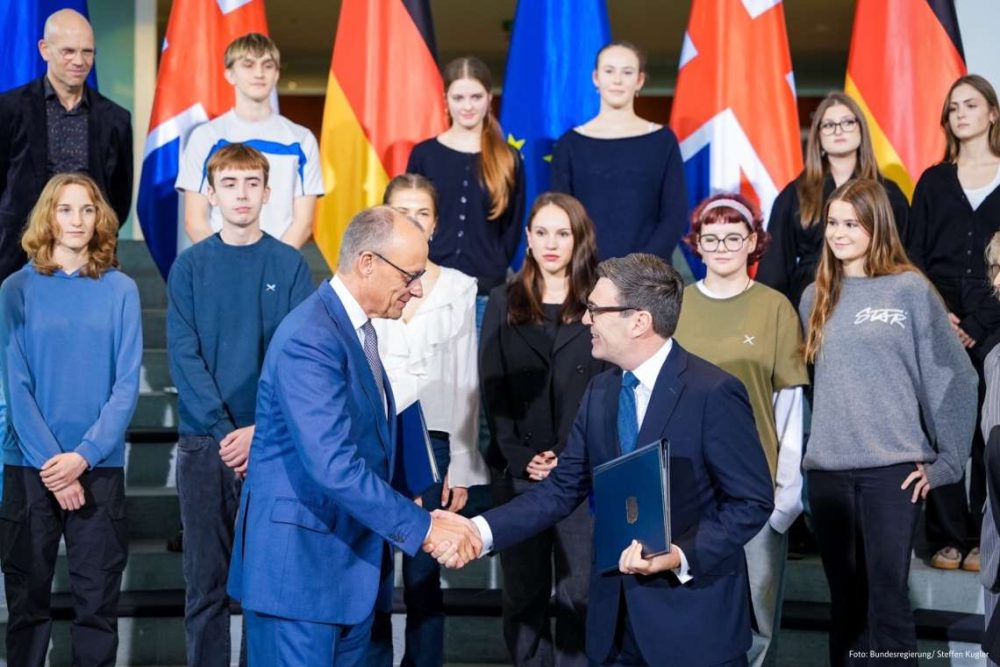
Britain and Germany ratify the Kensington Treaty, agreeing new cooperation on AI, quantum research, defence and security while targeting investment, jobs and Russian hybrid threats…reports Asian Lite News Desk Britain and Germany

Economic tide is turning in Bangladesh

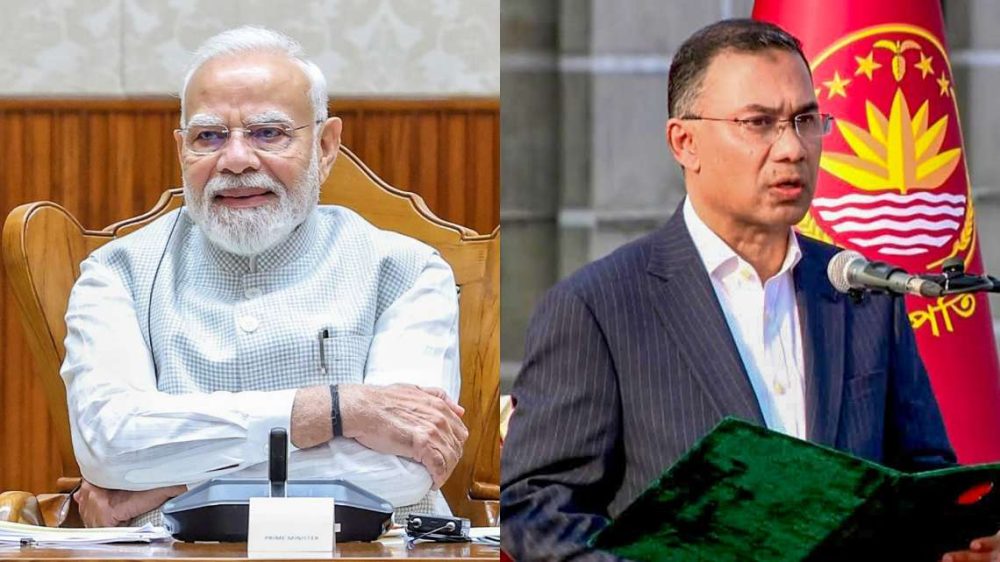
If there is one thing that can bring some comfort to the struggling Bangladeshi economy, it is good relations with India. Bangladesh should remember that Delhi’s backing, through easy supplies of essentials
Go toTop

Don't Miss

Biden says Zelensky rejected US intel on Russian invasion

President Volodymyr Zelensky did not want to hear that Russia

Biden revokes Trump order on immigrants’ healthcare costs

Biden said that the previous proclamation “does not advance the